The journal
Why keep your cat’s water bowl away from food?
Find a calmer place for your cat’s water bowl, compare bowls and fountains, and learn when a change in drinking calls for veterinary advice.
Quick answer and context: should cat water be next to food?
What the guidelines say
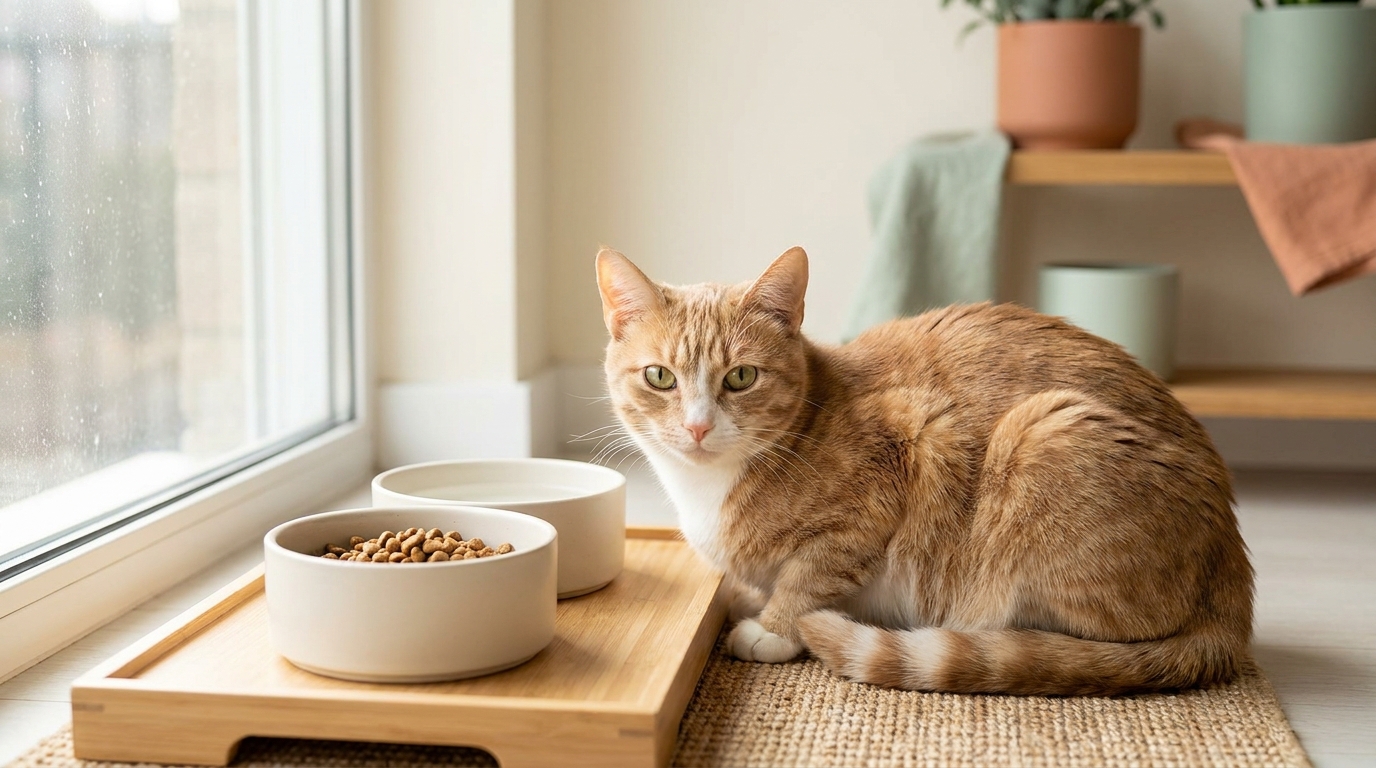
Short answer: No, most feline welfare experts recommend placing a cat's water away from food to support natural behaviour and encourage drinking. The AAFP and ISFM environmental needs guidelines advise separate locations for key resources, including food and water, to support feline welfare, and that separation is a foundational element of good home setup AAFP and ISFM guidelines.
What owners and vets report, cat water bowl placement
Recent owner-facing veterinary guidance notes that many cats drink more when water is positioned away from food, and recommends offering multiple quiet stations to increase access and appeal Cats Protection drinking guidance. In practice, this advice is about matching modern homes to species-typical needs and reducing the small barriers that can make some cats avoid drinking.
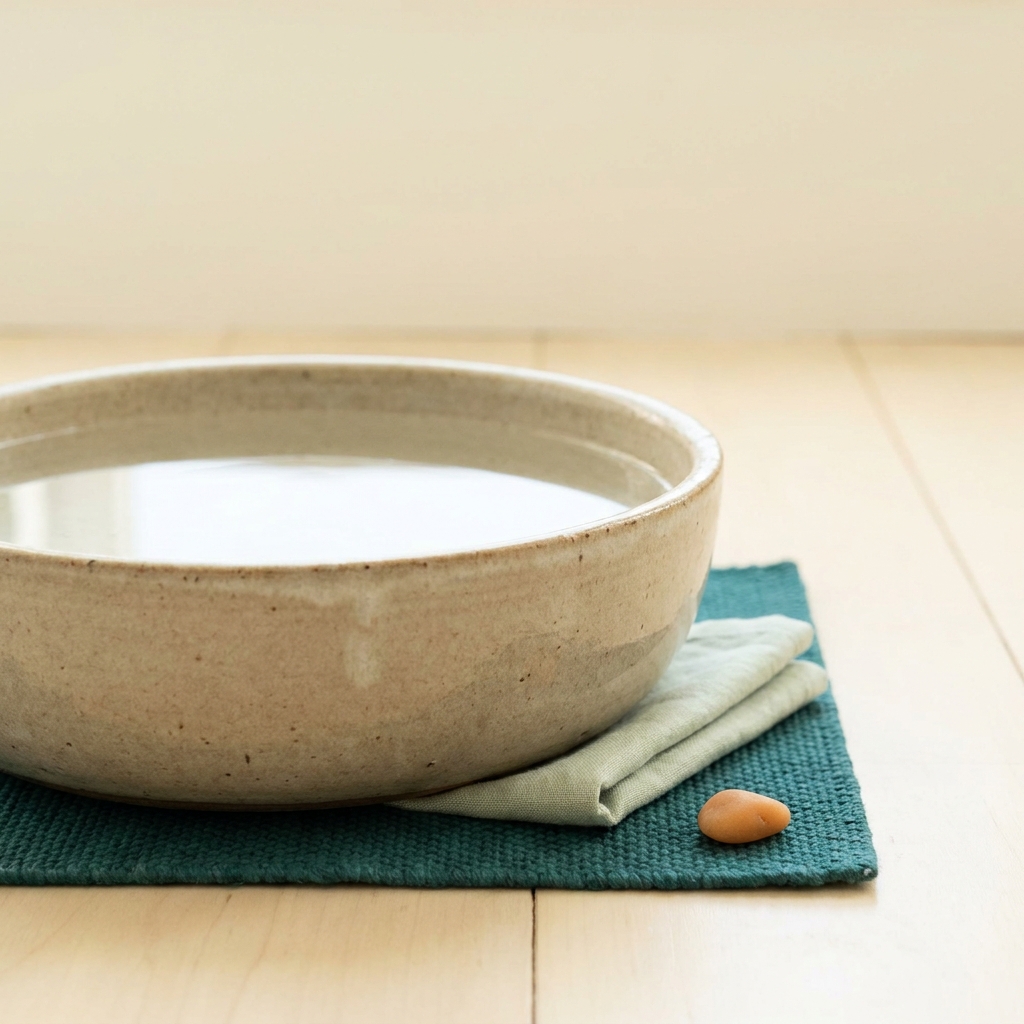
Putting the two resources apart is not meant to complicate feeding. It is a simple environmental change that can help some cats drink more without changing diet or medical care.
Why distance matters: feline behavior, welfare and hygiene
Species-typical feeding and drinking patterns
Many cats prefer separate feeding and drinking locations, but individual preferences vary. The environmental guidelines recommend separate resource locations to reduce stress and mimic natural spacing, which supports overall welfare AAFP and ISFM guidelines. For many owners this translates to simple placement choices rather than major changes.
Veterinary behaviourists and clinicians often point out that a cat who feels uneasy around its food or water will avoid one or the other. Moving water a short distance away can reduce perceived competition or disturbance and make drinking a calmer, more regular habit for the cat Cats Protection drinking guidance. Guidance from Four Paws also recommends positioning the bowl where the cat can see its surroundings to feel secure Four Paws guidance.
Why should I avoid placing my cat's water bowl next to its food bowl?
Separating a cat's water from its food reduces taste contamination and stress, aligns with feline environmental recommendations, and can encourage more frequent drinking to support urinary health.
Hygiene and taste contamination
Water bowls placed beside food are more likely to collect crumbs, oils and residue from feeding, which can alter the taste and trigger avoidance in picky cats; keeping water away from food lowers this contamination risk and supports palatability Cats Protection drinking guidance. Daily cleaning and frequent water changes are still important to prevent biofilm and keep water appealing.
In a household with multiple feeding areas or high food traffic, separate water stations help keep water cleaner and reduce the chance of spills or crumbs getting into bowls, which matters for taste and hygiene over time Blue Cross advice.
Practical placement: where to put your cat's water bowl
Choose quiet, low-traffic spots that are not directly next to food or litter boxes. Good examples include a kitchen corner away from the main prep area, a hallway niche near a resting spot, or a calm side table close to where your cat likes to nap. The aim is accessible water that is not in the middle of household activity Cats Protection guidance. For a broader placement checklist see this practical guide on where to position food and water bowls Purina placement guide.
For multi-cat homes, set up multiple water stations across the house so each cat has a convenient option. Spreading stations across rooms reduces guarding and makes drinking easier during different parts of the day Cats Protection drinking guidance.
Practical rules to follow: place water at least a few paces from the main food bowl, avoid cramped corners where bowls can get tipped, and keep a station near a favorite resting area so the cat sees it during relaxed moments. These small adjustments often make water more inviting without major disruption.
Some owners keep a spare bowl in a second room to compare locations. If your cat drinks more at the second bowl, make that location the regular station and consider adding another in a third spot to increase options for the cat.
Bowl choice, fountains and testing what works for your cat
Choices in bowls and fountains matter because some cats prefer certain shapes or materials. Wide, shallow ceramic or stainless-steel bowls are commonly suggested as an option to test for comfort and ease of cleaning. Water fountains can increase intake for some cats by providing moving water and keeping the surface aerated, though individual reactions vary Cats Protection drinking guidance. Some studies have quantified water intake under different conditions and are worth reviewing when considering fountains PMC study.
Consider trying wide ceramic or steel bowls and a fountain to see which your cat prefers
When you try different bowls, note how the cat approaches the water, whether it drinks with whiskers touching the sides, and whether it avoids certain materials or shapes. These observations help you choose a bowl that the cat will actually use, rather than assuming one type fits all Cats Protection drinking guidance.
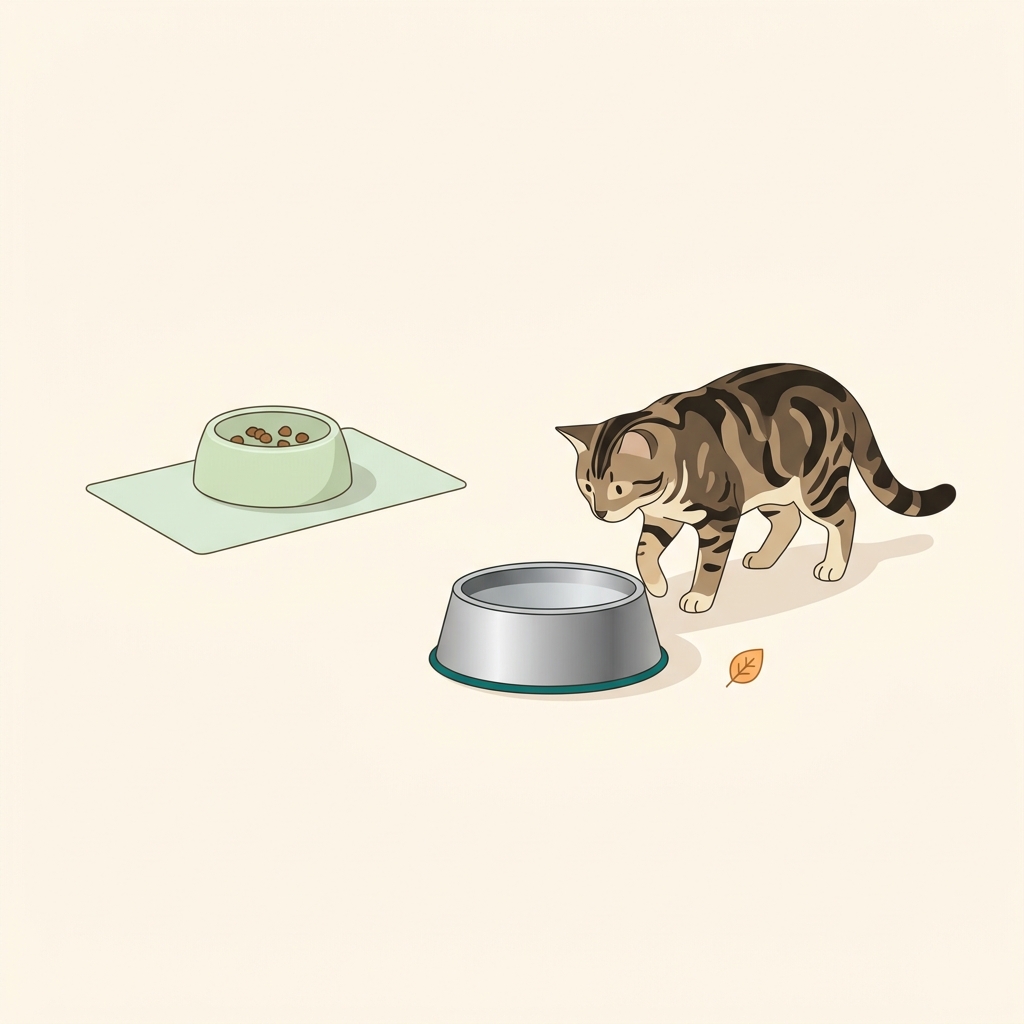
Remember that placement and bowl type work together. A fountain in a noisy kitchen corner may be less successful than a simple shallow bowl in a calm side space, so combine good placement with an appropriate bowl choice and be prepared to try alternatives for a few days each to learn what the cat prefers Cats Protection guidance.
Cleaning, maintenance and knowing when to seek veterinary help
Clean bowls daily and refresh water frequently. Water near food is more likely to become tainted with crumbs or oils that change taste and encourage biofilm, so frequent cleaning keeps water palatable and reduces health risks Blue Cross advice.
For monitoring, record where and how much your cat drinks if you are worried about hydration. Note changes in drinking patterns after alterations to placement or bowl type, and share that information with your veterinarian if you see concerning signs Cornell Feline Health Center.
Core signs of poor hydration include tacky gums, lethargy and concentrated urine; if you observe these signs, seek veterinary assessment rather than trying home remedies alone Cornell Feline Health Center. Increasing water intake by improving access and appeal is a recommended part of urinary health management, because more dilute urine lowers the risk of crystal formation and related problems AAFP and ISFM guidelines.
If your cat strains to urinate or produces little or no urine, seek immediate veterinary care: a urinary blockage is an emergency. For other changes in drinking, appetite or behaviour, contact your veterinarian rather than relying on bowl changes alone. Cornell guidance on urinary problems.
Common mistakes, troubleshooting and a short checklist to try tonight
Typical setup errors include keeping water too close to the feeding area, using bowls your cat appears uncomfortable with, and offering only a single station in a multi-cat household; these mistakes reduce access and can lower drinking rates Cats Protection drinking guidance.
Troubleshooting tips: if a cat avoids a bowl, move it to a quieter spot, swap bowl material, or try a fountain for several days. Change only one variable at a time so you can tell which adjustment worked. If behaviour does not improve, consider medical causes and consult a veterinarian Cats Protection drinking guidance.
Checklist to try tonight: place one water bowl at least a few paces from the food, clean both bowls, replace water, and note your cat's visits over the next three days. Add a second station if you have more than one cat or if your cat spends time in several rooms Cats Protection guidance.
Observing and recording small changes gives you the evidence to adjust placement, bowl type, or cleaning frequency. Most owners find that modest home changes are enough to encourage better drinking for many cats.
Daily water observation checklist
Use a notebook for your week-long record. These checkboxes are a temporary reminder and reset when this page reloads.
Frequently asked questions
Should I move my cat's water bowl if it never drinks?
Keep fresh water available and contact your veterinarian if drinking has suddenly stopped or your cat seems unwell. Bowl placement is not a substitute for investigating a change in health.
How often should I clean my cat's water bowl?
Clean bowls daily and refresh water frequently to prevent taste contamination and biofilm formation.
Will a water fountain always make my cat drink more?
No, some cats prefer fountains while others prefer still water in a shallow bowl; trial different options to see what your cat prefers.
Small adjustments to placement, bowl type and cleaning routines can make water more appealing to many cats. Observe your cat's responses and consult your veterinarian if you see signs of dehydration or urinary problems. Keeping a calm, accessible water setup is a simple step that supports long-term welfare and comfort for your cat.
References
- https://journals.sagepub.com/doi/full/10.1177/1098612X13495235
- https://www.cats.org.uk/help-and-advice/diet/cats-and-drinking
- https://catnibbles.com/guides/cat-friendly-home/
- https://www.cats.org.uk/help-and-advice/diet/cats-and-drinking
- https://www.fourpawsusa.org/our-stories/publications-guides/cat-friendly-water-bowl
- https://www.bluecross.org.uk/advice/cat/general-advice/how-to-encourage-your-cat-to-drink
- https://www.cats.org.uk/help-and-advice/diet/cats-and-drinking
- https://www.purina.com/articles/cat/feeding/guides/where-to-put-cat-food-dish
- https://pmc.ncbi.nlm.nih.gov/articles/PMC10814304/
- https://catnibbles.com/guides/cat-feeding-equipment/
- https://catnibbles.com/guides/cat-water-fountains/
- https://www.vet.cornell.edu/departments-centers-and-institutes/cornell-feline-health-center/health-information/feline-health-topics/feline-lower-urinary-tract-disease