The journal
Do cats prefer ceramic or plastic bowls? A guide to cat whisker friendly food bowls
cat whisker friendly food bowls explained, comparing ceramic, plastic and alternatives so you can choose for whisker comfort and easy care.
Quick answer: what cat whisker friendly food bowls are and why they matter
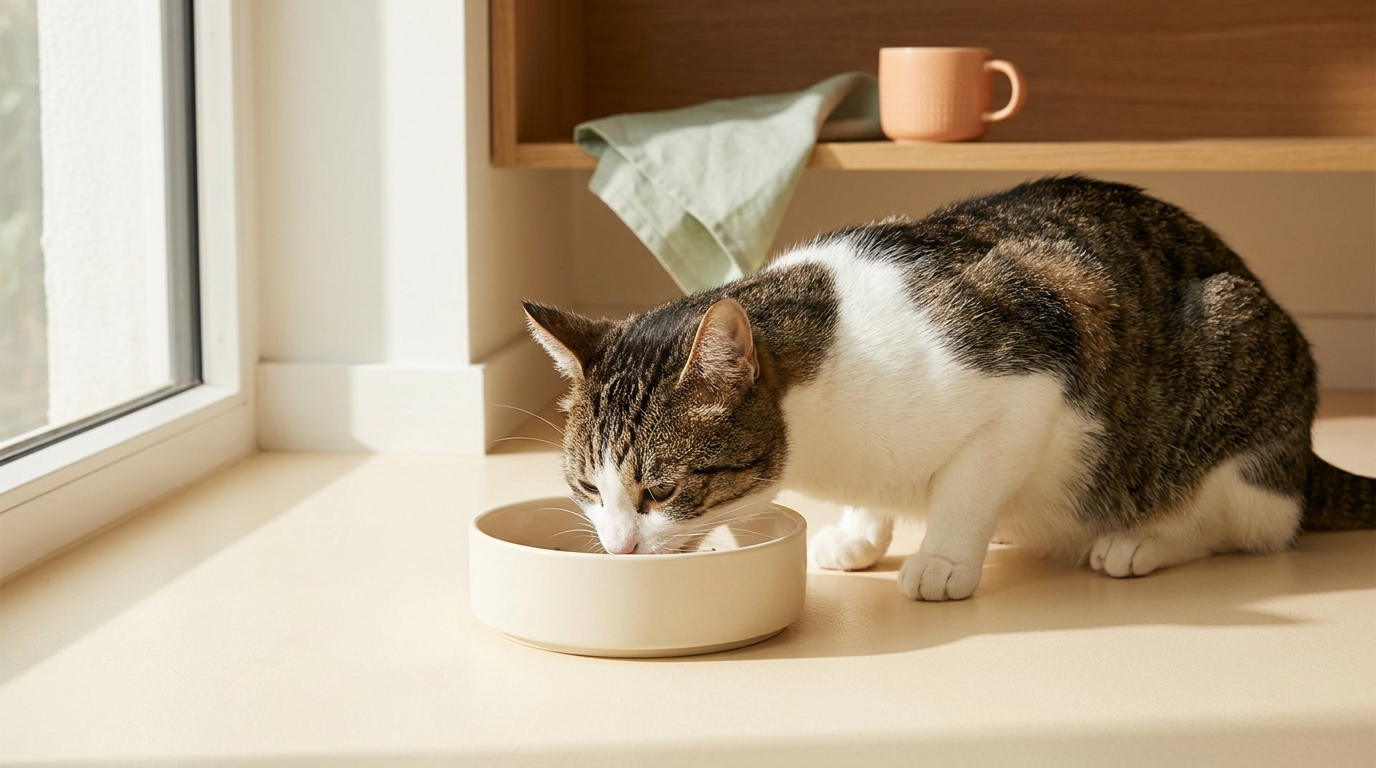
Cat whisker friendly food bowls are simply dishes designed to reduce how often a cat's whiskers brush against the bowl edge while eating. The idea is to limit repeated whisker contact by using shallower, wider shapes and by paying attention to rim width and bowl depth. In everyday terms, a whisker friendly bowl gives a cat space to eat without the whiskers rubbing along hard edges.
Not every cat needs an intentionally designed bowl, and many cats show no clear signs of discomfort. Some cats display behaviors often described as whisker sensitivity, like pulling back from the bowl, rapid head lifts while eating, or preferring food on a flat plate. These behaviors vary by individual and by context, so observe your cat rather than assuming every odd eating habit is whisker related. (See community discussion: whisker fatigue threads.)
This article covers practical selection and testing steps, and balances whisker comfort with hygiene and durability. It does not offer medical diagnosis. If a cat shows signs of pain, severe avoidance, or weight loss, consult your veterinarian for an assessment. The guidance here is observational and focused on product features and home testing.
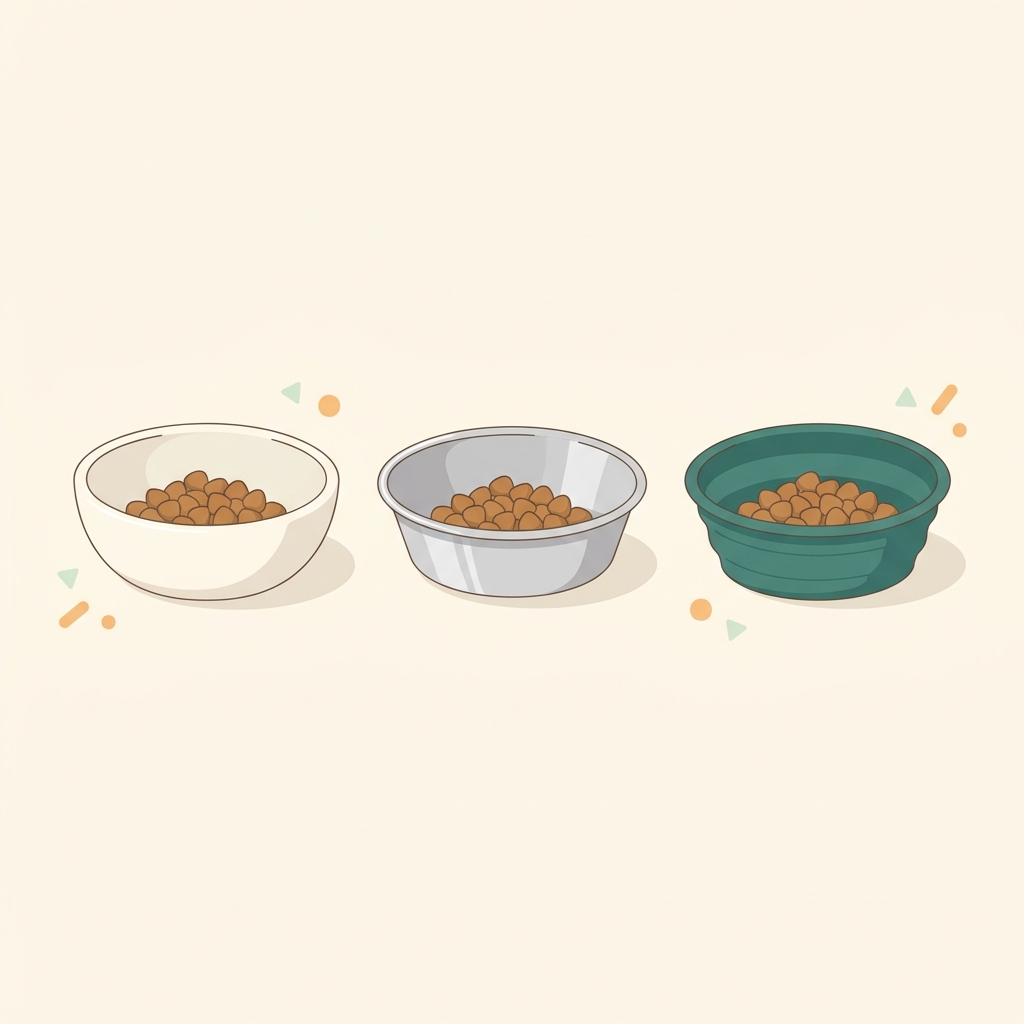
Material comparison: ceramic versus plastic (and where stainless steel and silicone fit in)
Pros and cons of ceramic
Ceramic bowls often appeal because they can be heavy enough to stay in place, have a smooth glazed finish, and come in many shapes and sizes. The weight helps prevent tipping, which is useful for eager eaters and multi-cat feeding areas. A glazed ceramic surface is typically smooth to the touch and easy to check visually for chips or cracks, which matters if you worry about sharp edges that could rub against whiskers.
Ceramic is not indestructible. Dropping or knocking a ceramic bowl can cause chips that should be addressed promptly; small chips can create rough edges. Because ceramic is heavier, it can also be less convenient to pick up and clean in some setups, but many owners appreciate the stability it provides. When comparing ceramic cat bowl options, focus on shallow, wide models if whisker comfort is the priority. (See our feeding equipment guide.)
Pros and cons of plastic
Plastic cat bowls are light, inexpensive and widely available. They come in many shapes including shallow dishes, and some owners like plastic for portability. However, plastic surfaces can scratch over time. Scratches may trap food residues and odors and create rough patches on the rim that could be felt by sensitive whiskers or the cat's muzzle.
Many cats tolerate plastic well, and some prefer certain textures, but if you notice persistent rubbing at the edges or sudden avoidance when a plastic bowl is introduced, consider trying a different material. For whisker friendly designs, choose plastic dishes that are low and broad rather than narrow and deep. (See an example product listing: whisker-friendly bowl on Amazon.)
Alternatives to consider
Stainless steel and silicone are common alternatives. Stainless steel bowls are lightweight yet rigid, easy to clean and resistant to long-term staining. They are often the most hygienic for daily use because of the nonporous surface, and they can come in shallow, wide shapes that reduce whisker contact.
Silicone bowls offer flexibility and often foldable designs for travel. They can be made quite shallow and are generally easy to clean, but choose high-quality silicone that holds its shape at the rim; very flexible rims can collapse in use and change how the whiskers contact the bowl. Each material brings trade-offs in weight, surface finish and lifespan that matter more when you select a shape specifically for whisker comfort.
Design features that make bowls whisker friendly
Shallow and wide versus deep and narrow
Shallow, wide bowls reduce whisker contact by allowing a cat's muzzle to enter the food area without pushing the whiskers against sides or rims. Practically speaking, a dish that spreads a typical meal across a wider surface area means the cat can eat from the side instead of plunging its face into a deep well.
Deep, narrow bowls concentrate food into a smaller opening, which increases the chance for whiskers to hit the rim repeatedly during a meal. For cats that appear to avoid bowls or dip food out onto a flat surface, start by testing a shallow dish to see if feeding becomes calmer. The difference can be immediately observable in how the cat positions its head and in the number of abrupt head lifts during a meal.
Do cats prefer ceramic or plastic bowls for whisker comfort?
There is no universal preference; whisker comfort depends more on bowl shape and rim profile than on material. Test shallow, wide bowls in different materials to see which your cat accepts while balancing cleaning and durability needs.
Rim shape, edge thickness and surface finish
Rim profile matters. Thin, sharp or irregular rims are more likely to contact whiskers than smooth, rounded edges. When shopping, look for photos or product descriptions that show the rim in profile; a gently rounded rim is usually more comfortable than one with a sharp angle. A smooth surface finish without rough glazing or manufacturing seams is also easier on the whiskers and muzzle.
Edge thickness affects where whiskers rest relative to the food surface. A thick, pronounced rim places whiskers closer to the bowl wall, while a subtle rim or rimless design gives more clearance. If you can, measure or estimate the visible rim thickness from a product listing or in-store sample and prioritize lower-profile edges for whisker sensitive cats.
Raised bowls and angled bowls
Raised bowls and angled interiors are optional design choices that help some cats. Raising a bowl slightly can change head angle and reduce the amount a cat needs to push its head forward, and angled interiors can present food on a slanted plane so the cat reaches from the top rather than the side wall. These features do not directly change rim width, but they can alter the geometry of whisker contact and sometimes make eating more comfortable.
Keep in mind raised stands should be stable and not tip easily. Elevated bowls also need to be low enough that the cat's whiskers are still able to clear the rim. Try small increments in elevation during home testing rather than large jumps to see whether it helps your cat.
Hygiene, durability and safety considerations for different bowl types
Cleaning and bacterial buildup
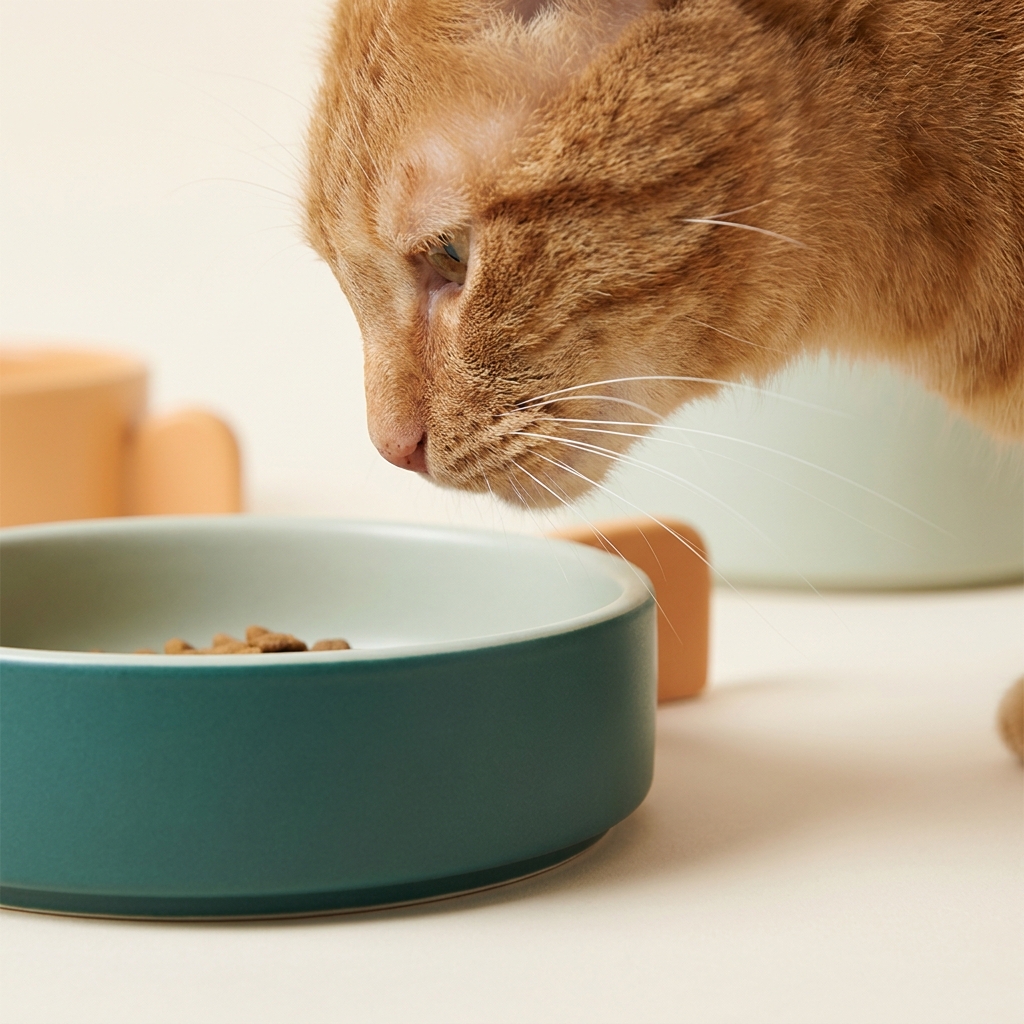
Ease of cleaning is important for every bowl choice. Nonporous surfaces like glazed ceramic, stainless steel and quality silicone are easier to wipe clean than some plastics. Scratches or porous finishes can trap food particles and odors over time, which affects overall cleanliness and owner convenience even if it does not directly cause whisker issues.
Wash bowls regularly with hot, soapy water and inspect rims and interior surfaces for visible wear. If the rim surface shows roughness or discoloration, consider replacing the bowl. For multi-cat households, clean bowls between feedings when possible to manage cross-contamination and keep feeding areas inviting for each animal.
Breakage, scratches and replacement frequency
Ceramic is prone to chipping when dropped, and chips near the rim can create uncomfortable edges. Inspect ceramic bowls after any impact and retire them if you find sharp chips. Plastic tends to scratch over time and may need replacement sooner in active households; consider how often you are willing to replace a plastic cat bowl versus a ceramic or stainless alternative.
Stainless steel resists scratching and chipping better than ceramic or plastic but can dent if treated roughly. Silicone is durable and flexible but can show wear at high-use points. Weigh the typical lifespan and replacement frequency against upfront costs when deciding which material fits your routine.
Allergy and scent sensitivity
Some cats show scent preferences or aversions to particular materials. While true allergic reactions to bowl material are uncommon, strong or persistent odors from older plastic pieces can be off-putting. Regular cleaning reduces scent buildup, and switching to a nonporous material can help when odor is a concern. (Community Q and A threads discuss causes and experiences: What causes whisker stress.)
If you notice avoidance behavior after changing bowl material, try reverting to the previous bowl and introduce the new option slowly. Observational testing is usually sufficient to identify whether scent or texture is the likely issue.
How to choose the right cat whisker friendly food bowls for your cat
Decision checklist
Use a short checklist to weigh options: size and diameter, depth, rim profile, material, cleaning ease and stability. Prioritize shallow, wide shapes and smooth, low rims for whisker comfort, then check material trade-offs for hygiene and durability. Think about how often you will clean and how many bowls you need for multi-cat households. (More on related topics in our guides.)
Below is a simple home test you can use to compare two bowls and find which your cat prefers.
Quick home test to compare two bowls
Testing with your cat at home
Run a two to five day side by side trial. Place the existing bowl and the candidate bowl in the same feeding area at the same time, each with a small, identical portion of food. Observe which bowl the cat chooses first, how long the cat spends eating from each, and whether whiskers appear to brush the rim frequently. Keep trials short and consistent to reduce situational factors like timing and distractions. (For portion guidance see reading food calories.)
If a cat rejects the new bowl, pause and try a single small change at a time, for example swapping only the shape while keeping the same material. Gradual transitions reduce stress and make it easier to identify which feature matters. Note feeding speed and body language such as pawing, backing away or frequent head lifts, which can indicate discomfort or distraction.
Budget and lifestyle trade-offs
Cost matters. Ceramic and stainless steel usually cost more upfront but can last longer. Plastic is affordable and convenient to replace but may require more frequent swaps. For multi-cat households, buy extra bowls to avoid constant washing cycles and to offer both shallow and standard options if cats show mixed preferences.
Think about where bowls live in your home. If the feeding area is high traffic or frequently knocked, a heavier ceramic bowl may be worth the extra care. If travel and portability matter, a shallow silicone or plastic option might fit better. Use the decision checklist and the home test to match your priorities with the bowl features that best reduce whisker contact while staying clean and practical.
Common mistakes, troubleshooting and a concise wrap-up
Typical errors owners make
A common mistake is changing material and shape at the same time, which makes it hard to tell which change affected the cat. Another is expecting instant acceptance; many cats need a transition period. Also, switching to a shallow bowl but choosing one with a rough rim can solve one problem and create another.
Avoid making multiple changes at once. Instead make one small change, observe for several days, then decide whether a further change is needed. Keep records if you have multiple cats so you know which preferences belong to which animal.
What to do if your cat rejects a new bowl
If your cat rejects a new bowl, revert to the old bowl and introduce the new one gradually. Try placing a small amount of preferred food or a few treats in the new bowl to encourage exploration, or move the new bowl to the old bowl's location so the cat associates it with the familiar feeding spot. Slow transitions reduce stress and help isolate the feature that matters most.
If avoidance continues despite gradual steps, consider whether scent, texture or bowl height may be the issue rather than rim width alone. In rare cases of sudden eating changes or weight loss, consult a veterinarian because underlying medical causes can affect appetite and behavior.
Short conclusion and next steps
There is no single correct material for every cat. Ceramic and stainless steel often score well for stability and easy cleaning, while plastic and silicone can offer lightweight and travel friendly options. The most reliable approach is to prioritize shape and rim profile, then consider material trade-offs for hygiene and durability.
Use the decision checklist and a short home trial to find the best match for your cat. Focus on shallow, wide dishes and smooth rims if whisker comfort is a concern, and balance that with cleaning habits and replacement plans for a practical solution.
Frequently asked questions
How can I tell if my cat has whisker sensitivity?
Watch for signs like frequent head lifts while eating, pushing food out of the bowl, or choosing to eat from a flat surface. These behaviors suggest sensitivity but are observational, not diagnostic.
Is stainless steel better than ceramic for whisker comfort?
Stainless steel can be a good choice when formed into a shallow, wide shape because it is nonporous and easy to clean; the key for whisker comfort is the bowl shape and rim profile rather than the material alone.
Can I make my current bowl more whisker friendly?
Try placing food on a shallow plate, lowering the food level, or adding a wide shallow dish on top to reduce rim contact; if problems persist, test a purpose designed shallow bowl.
Choosing a whisker friendly bowl is mostly an exercise in observing what your cat prefers and balancing that choice with cleaning and durability needs. Start with a shallow, wide dish and a smooth rim, then refine material choices based on hygiene and lifestyle. Small, gradual changes and short side by side trials usually reveal clear preferences without stress. Keep things simple and prioritize what reduces whisker contact while fitting your routine.