
The journal
Why do cats sit on high places?
A clear answer focused on why many cats choose high places to sleep, with safe setup tips, when to reassess, and practical ways to offer secure elevated beds at home.
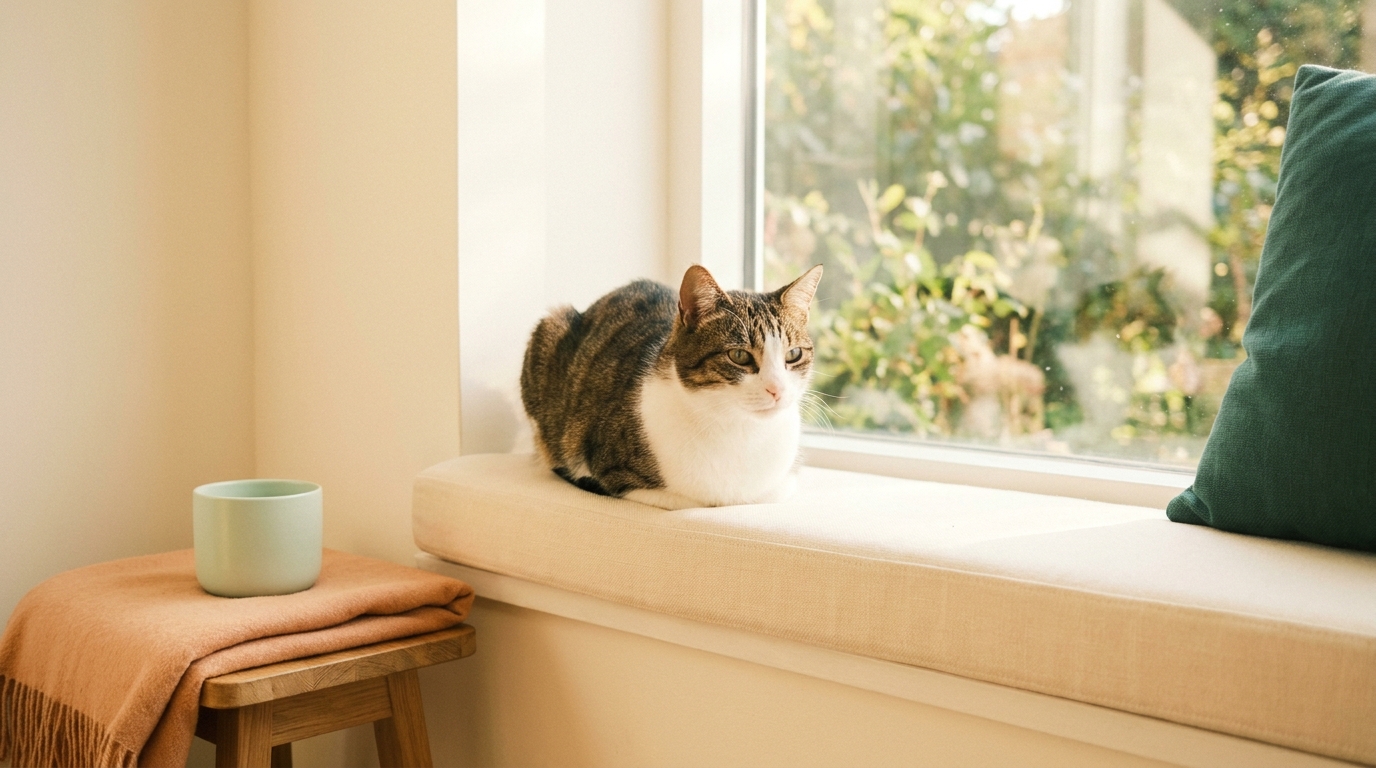
Cats often sleep in high places because elevation makes them feel safer, offers a clear view of their surroundings, reduces household disturbance and can be warmer than floor level. Veterinary guidance notes that as both predators and potential prey, cats use height to observe, avoid threats and rest securely, and they may choose elevated spots even more when stressed or unwell (PetMD; Cats Protection blog).
Instincts that make high sleeping spots appealing
- Security and vigilance: From a high perch, a cat can monitor activity while staying out of reach. This is consistent with their predator-prey instincts and helps many cats relax enough to sleep (PetMD; Cats Protection blog).
- Territory management: In multi-cat homes, vertical space expands territory and can reduce conflict. Some cats preferentially claim higher levels, including for resting and naps (PetMD).
- Evolutionary carryover: Climbing to rest safely and spot opportunities is typical feline behavior that persists in pet cats (CatHealth).
Comfort factors: warmth, quiet and control
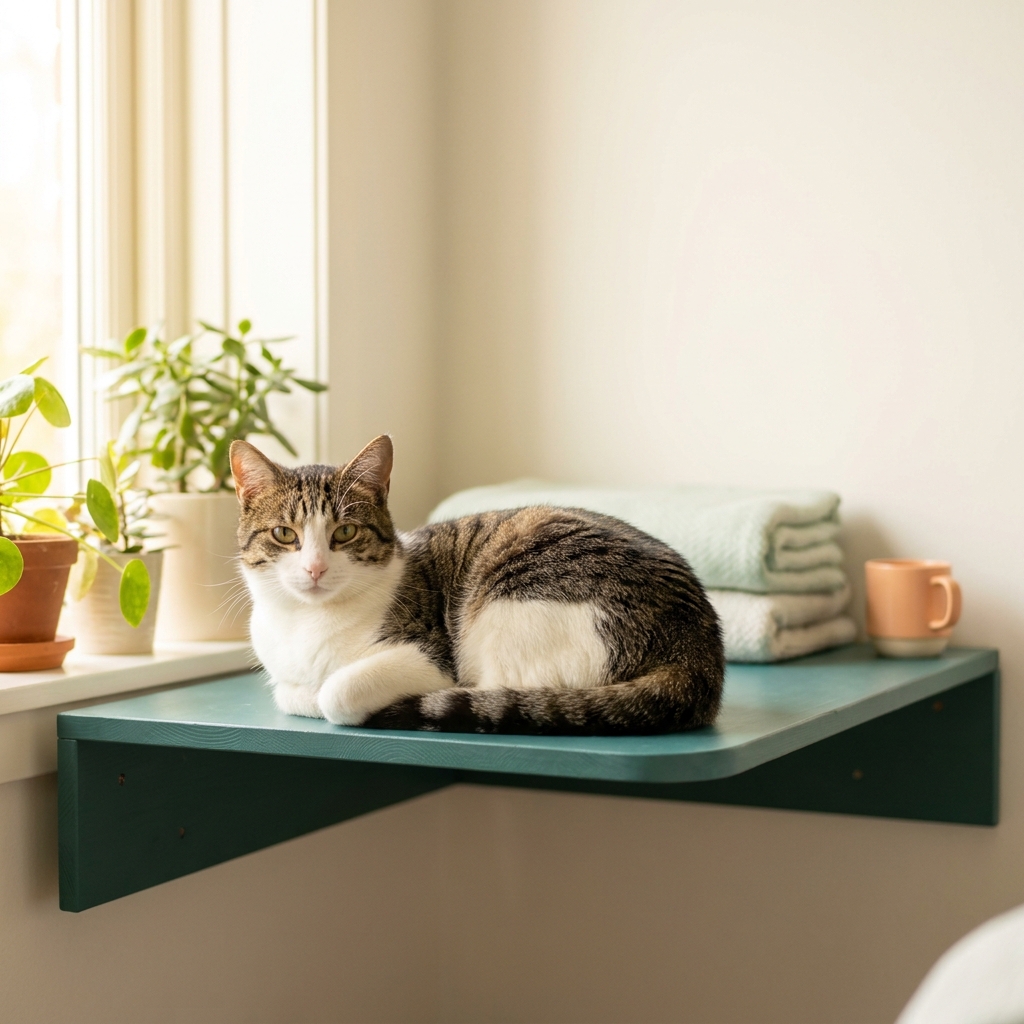
Higher spots can be warmer because heat rises, which many cats seek out for rest and sleep, especially in cooler months. Elevated perches also help cats avoid commotion from children, dogs or other cats, allowing undisturbed sleep (PetMD). Shelves by windows combine warmth, a view and distance from busy areas (Cats Protection blog).
Set up safe high sleeping places
Offer purpose-built options like tall cat trees, wall shelves installed in a step pattern, or secure window perches so your cat can reach a favorite sleeping level safely. Anchor or fasten products according to the manufacturer’s instructions and ensure they can support your cat’s weight (PetMD). If you are considering a suction-cup window perch, review safety checks first: Can a cat window perch break a window?
Make accessibility part of the design
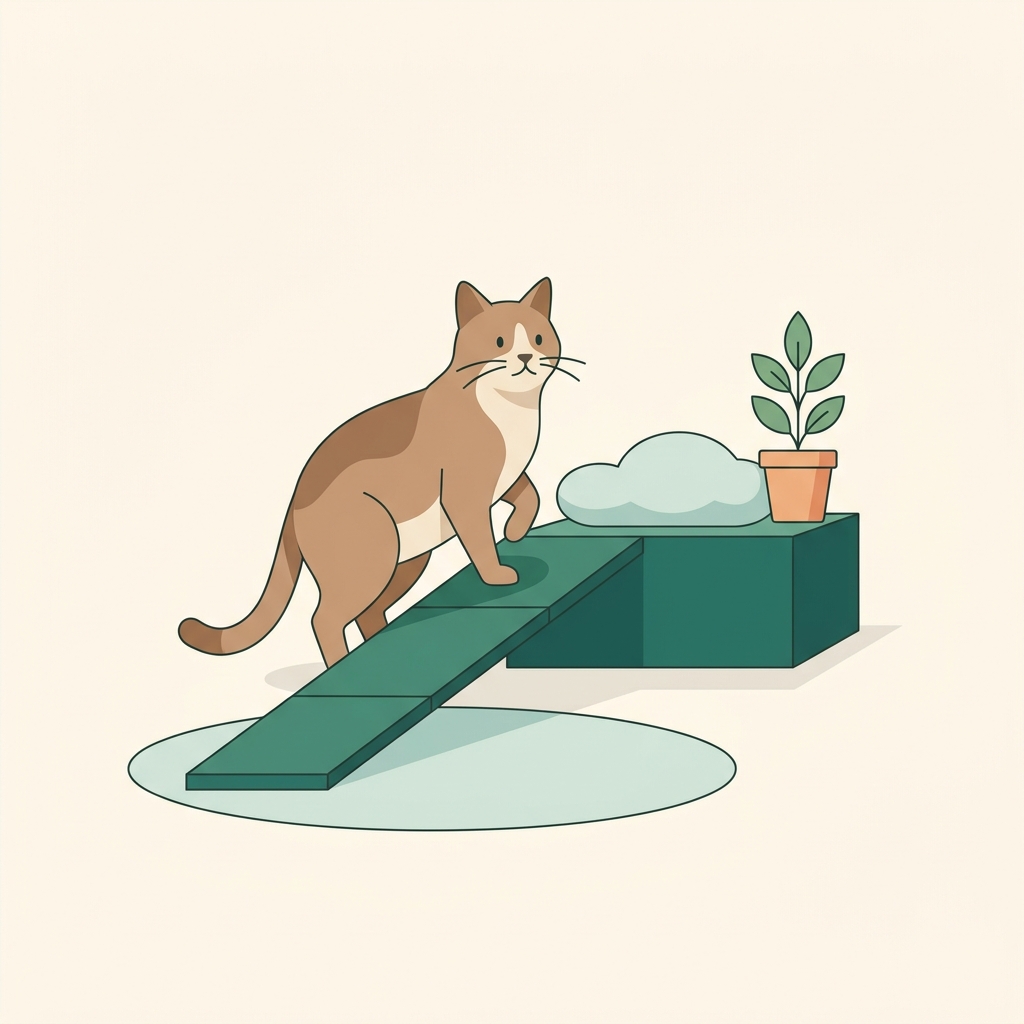
Provide intermediate steps, ramps or lower shelves for kittens, seniors or cats with mobility limits so they do not need risky leaps. Place perches where there are clear takeoff and landing zones and away from cooktops or fragile items (PetMD).
Make high sleeping spots safer today
When to reassess or intervene
- Sudden behavior changes: If your cat abruptly starts seeking very high places, stops using a favorite spot, or seems unusually withdrawn or unsteady, consult your veterinarian. Cats may climb higher when stressed or unwell, so a sudden change warrants medical advice (PetMD).
- Safety red flags: Wobbly furniture, narrow ledges above hard floors, or access routes that force risky jumps should be corrected. Give a safer alternative rather than simply blocking vertical space (Cats Protection blog).
- Normal variety: Many cats alternate sleeping spots over time. Rotation alone is usually normal; focus on stability and accessibility (Killeen Vet Clinic).
Practical examples
- Appliance-top sleeper: Offer a securely mounted shelf or cat tree nearby instead of making an appliance the bed. Keep access away from heat, cables and ventilation openings (PetMD).
- Shy cat on the bookcase: Keep the shelf, but stabilize it, add a soft pad, and give a second elevated option on another wall to reduce crowding (Cats Protection blog).
- Senior who can’t leap: Lower the preferred bed or add a ramp and mid-height perch so they can still nap up high without strain (PetMD).
FAQ
Is it OK to let my cat sleep on top of tall furniture?
Yes, if it is stable and safe. Anchor tall items, add a non-slip bed and provide a safe route up and down. If a spot is inherently risky, create a safer elevated alternative nearby (PetMD).
Do window perches make good sleeping spots?
They can, if installed to the product’s specifications and matched to your cat’s weight. Review safety considerations before installing: window perch safety checks.
For more ways to give your cat calm, enriching rest and play options, see our simple daily plan: How to entertain an indoor cat.