
The journal
Why does my cat hide when I come home?
A clear answer to why some cats hide when you arrive home, how to tell normal from concerning, and simple steps that make arrivals less stressful.

Most cats hide when you come home because the door, footsteps and new scents are abrupt changes. Hiding is a normal feline coping strategy that helps them feel safe and in control, especially after noise or commotion. It becomes a concern if the behavior is new, suddenly worse, or paired with other changes like appetite, litter box use or lethargy. In those cases, call your veterinarian. These points are supported by guidance from ElleVet Sciences: Why cats hide and the Nebraska Humane Society: Why is my cat hiding?.
Why cats hide when you get home
Startle, change and overstimulation
Door sounds, quick movement and fresh outside smells can feel unpredictable. Many cats respond by creating distance and observing from a safe place. Even well-adjusted cats enjoy enclosed, quiet spots that provide security and a vantage point to watch until they feel ready to engage (ElleVet Sciences). If visitors come with you, cats often prefer to hide rather than be approached, and trying to stop hiding can increase stress (Your Cat: veterinary behaviorist tips).
Illness or pain
Cats commonly retreat when unwell or uncomfortable. A sudden increase in hiding, especially in a normally social cat, can signal stress, pain or medical issues (ElleVet Sciences). Hiding is also a known behavior when cats are sick, reflecting an instinct to conceal vulnerability (Tractive: Why cats hide when sick).
How to tell if it’s a problem
Red flags that deserve a vet call
- New or sharply increased hiding, especially in a social cat (ElleVet Sciences)
- Changes in appetite, vomiting, lethargy, bathroom accidents or withdrawn behavior with the hiding (ElleVet Sciences)
- No water intake for 24 hours or no food for several days: contact your vet promptly (Nebraska Humane Society)
Keep brief notes on when the behavior changed and any appetite, litter box or mobility changes. This helps your veterinarian narrow causes (Nebraska Humane Society).
What to do differently when you arrive home
Keep arrivals calm and predictable
Enter quietly, avoid sudden reaching, and let your cat choose when to approach. Don’t pull a cat from a hiding place; gentle, low-key presence builds trust (Nebraska Humane Society).
Offer safe choices instead of forcing contact
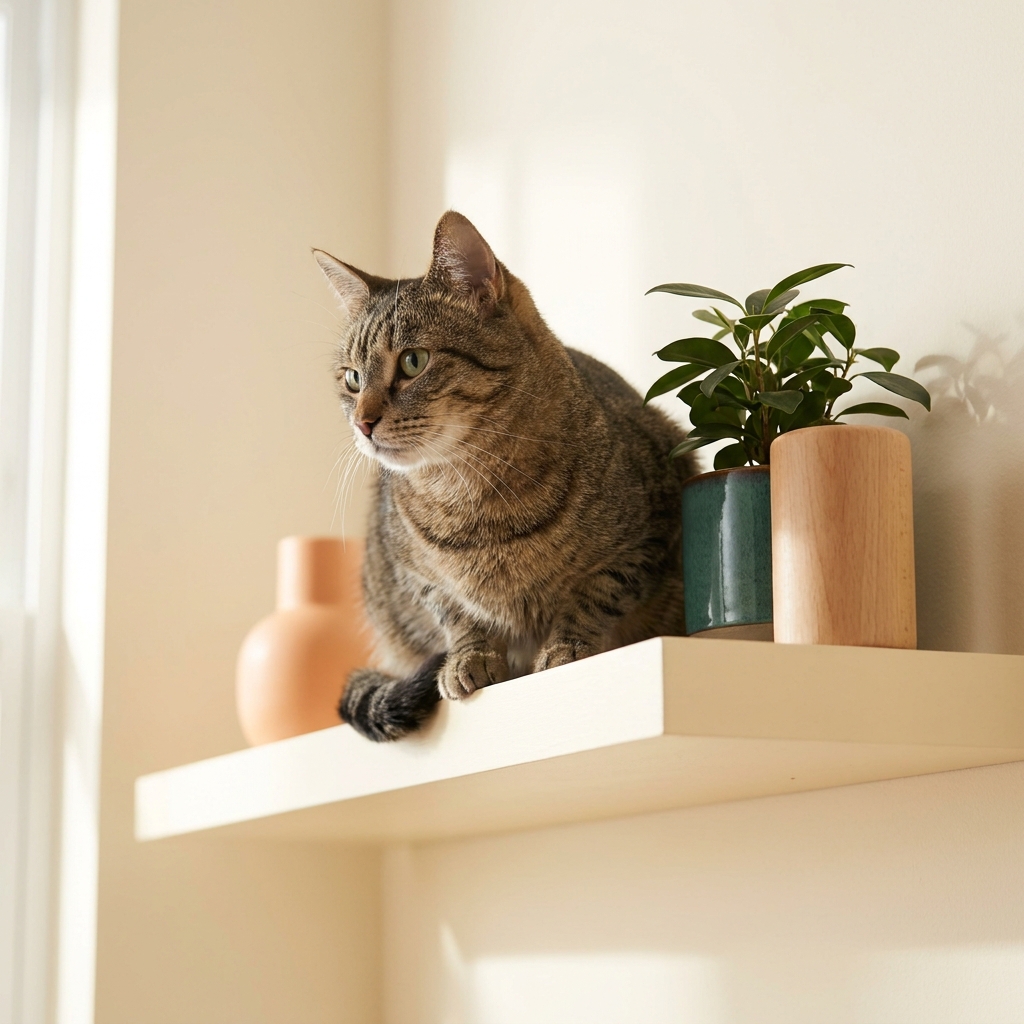
- Provide a few safe hideaways in living areas, plus elevated perches so your cat can watch from above (Nebraska Humane Society).
- Place a cozy hide or perch near, not at, the doorway so your cat can observe your routine without feeling cornered (ElleVet Sciences).
- Consider a feline pheromone diffuser in the room where greetings usually happen to help mark the space as safe (Your Cat).
Keep essentials accessible
Make sure your cat can reach food, water and the litter box without passing through busy entryways. If they choose to stay hidden, they should still have easy access to these resources (Nebraska Humane Society).
Use play and routine to build confidence
Short, predictable play sessions and calm treat tosses near the doorway can help shy cats reframe arrivals more positively (ElleVet Sciences). For longer-term enrichment ideas, see How to entertain an indoor cat: a simple daily plan and Do cats enjoy puzzle feeders? Practical steps for calm introductions.
Gentle desensitization if your cat is shy about arrivals
A paced plan you can repeat
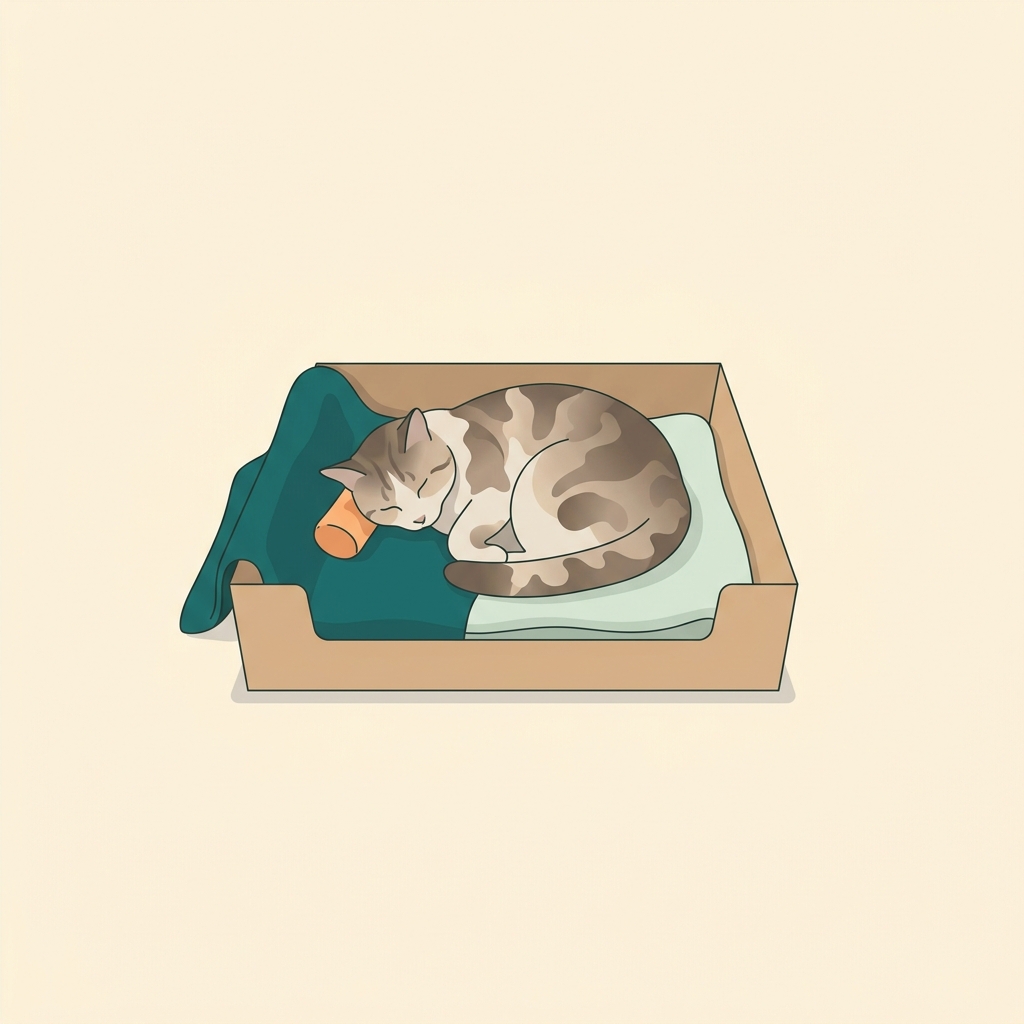
- Start with one calm person entering, moving slowly and sitting down. No direct reaching or eye contact.
- Place a tiny bowl of high-value treats just outside the hiding area. End the session if your cat looks tense; success is simply staying relaxed while you’re present.
- Over multiple short sessions, gradually place treats farther from hiding and closer to the usual greeting area. Keep sessions brief and predictable.
- Only when your cat reliably ventures out should you try a quiet greeting near the doorway. Stop if stress appears. Progress is measured in days to weeks, not hours (Your Cat).
Make your homecomings calmer this week
FAQ
Is it normal for a cat to hide when I come home?
Yes. Hiding can be a normal way to cope with noise, movement and new scents. It’s usually fine if your cat otherwise eats, uses the litter box and relaxes normally (ElleVet Sciences).
Should I remove hiding spots to make my cat greet me?
No. Removing safe places or pulling a cat out can backfire and increase stress. Provide options and let your cat choose when to come out (Nebraska Humane Society) (Your Cat).
When should I seek veterinary advice?
Contact your vet if hiding is new or increasing, if you see lethargy, vomiting, litter box changes, or if your cat hasn’t had water for 24 hours or food for several days (Nebraska Humane Society) (Tractive).