The journal
How do I get my cat to stop messing with the automatic feeder? Practical cleaning and behavior steps
automatic cat feeder cleaning advice combining hygiene, enrichment and placement to reduce tampering and protect household health.
Understanding why cats mess with feeders and why automatic cat feeder cleaning matters
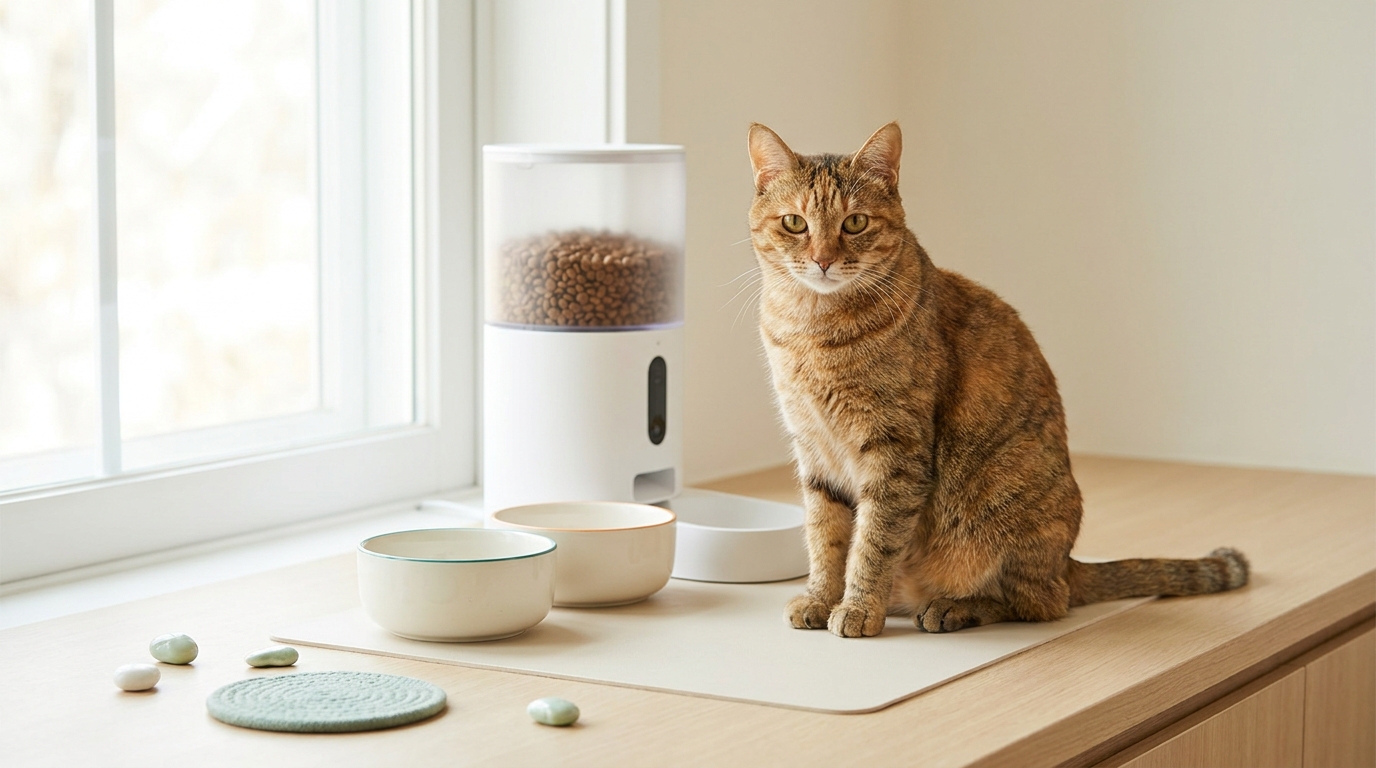
Cats evolved as hunters and foragers, so a quiet container that suddenly dispenses food can trigger pawing, investigation and attention seeking; pairing an automatic feeder with feeding enrichment helps reduce that drive by giving cats opportunities to use natural foraging skills, and food puzzle research supports this approach Journal of Feline Medicine and Surgery article.
Beyond behavior, the physical feeder and nearby bowls are part of the household food environment, and studies show that removable dishes and feeder surfaces can retain bacteria unless cleaned on a regular schedule PLOS ONE study on bowl hygiene.
Safe storage and handling of pet food reduce contamination risk around feeders; federal guidance advises keeping dry food in its original bag placed inside a sealed container, observing use by dates, and following basic hand and surface hygiene FDA guidance on storing pet food.
Public health agencies also warn that raw diets can carry pathogens such as Salmonella, increasing the need for care when feeders are used in homes with young children, older adults or multiple pets, and many owners will choose cooked or commercial diets to reduce this exposure CDC pet food safety tips.
Putting these threads together shows why automatic cat feeder cleaning is more than a chore: it is one component of a strategy that protects health and reduces the reinforcement of tampering behavior, so owners should address both the device and the cat when they want the feeder to be reliable and safe International Cat Care feeding enrichment advice.
Quick hygiene checklist for automatic cat feeder cleaning
Start each day with simple checks: wipe visible food from trays and bowls, confirm the feeder dispensed correctly, and top up dry food if the container is sealed and within its use-by period; these daily steps limit food buildup that invites bacterial growth and pests PLOS ONE study on bowl hygiene.
Daily actions, brief and consistent, cut most risk: use warm soapy water on empty bowls and trays when convenient, dry thoroughly, and store open bags of kibble in a sealed container to preserve quality and lower contamination risk FDA guidance on storing pet food.
- Daily — Wipe feeder exterior, remove crumbs from dispensing area, check food levels, and replace any food past its use-by date.
- Weekly — Disassemble removable bowls, trays and hopper lids and wash with soap and hot water to remove residues and biofilm that can harbor bacteria PLOS ONE study on bowl hygiene.
- Monthly — Inspect seals, moving parts and battery compartments; follow manufacturer instructions for lubricants, if any, and avoid soaking electronics.
For complex mechanisms and electronic feeders, consult the manufacturer instructions before deep cleaning; improper disassembly can harm seals or electronics, so treat manufacturer instructions as the authority for those steps.
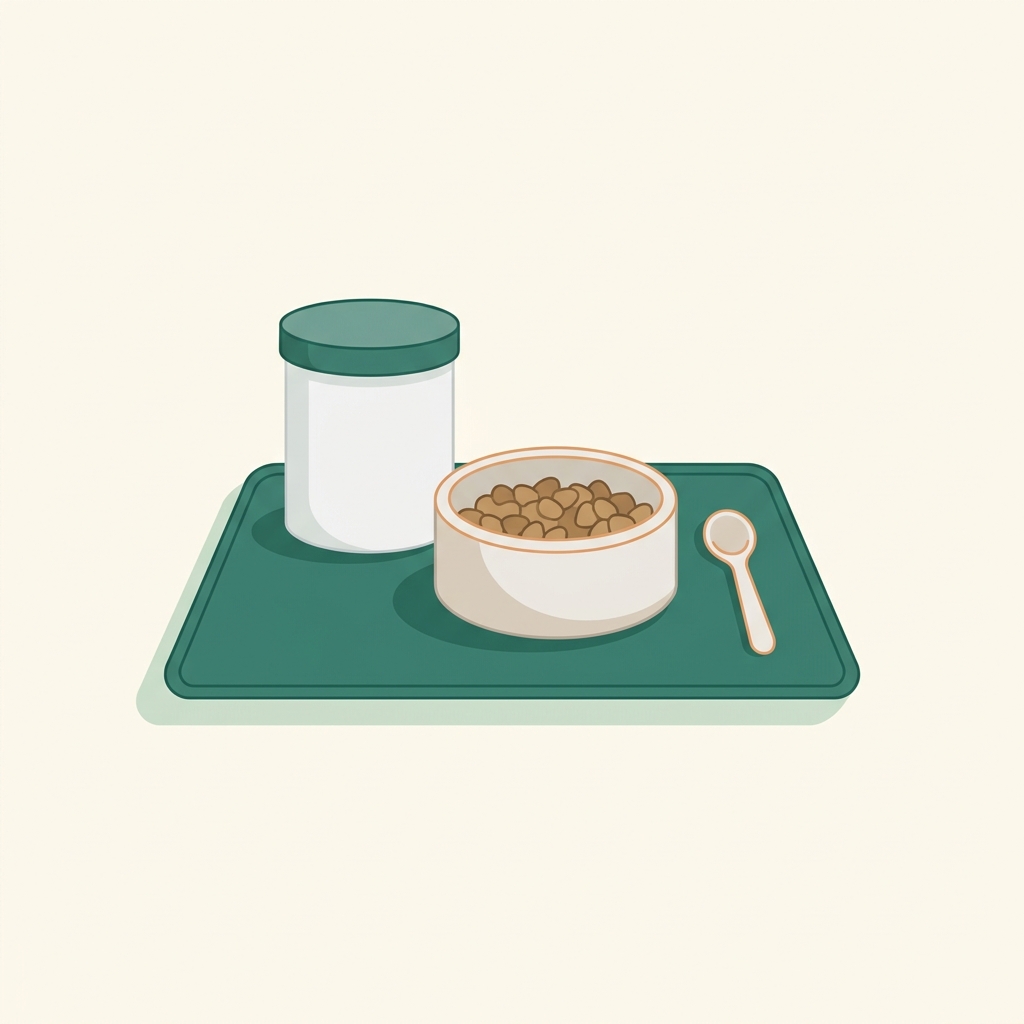
Store dry food in the original bag placed into a clean, sealed container and discard food that smells rancid or is past its use-by date; this approach follows federal advice and helps prevent spoilage and contamination near feeders FDA food storage advice.
If you or household members are at higher risk from foodborne pathogens, or if you use raw diets, consider avoiding raw feeding or apply strict handling steps, because raw pet food has been associated with higher pathogen risk and needs extra hygiene measures to protect people and pets CDC guidance on raw pet food risks.
Behavioral strategies: training, feeding routines and foraging enrichment
Combining predictable feeding schedules with enrichment can reduce the motivational drive that makes a cat tamper with an automatic feeder; adding food-puzzle play gives cats more control and mental stimulation which studies link to better welfare and fewer food-seeking behaviors Journal of Feline Medicine and Surgery article.
How can I stop my cat from messing with an automatic feeder while keeping the device hygienic?
Combine daily and weekly cleaning of feeder parts with sealed food storage, add food-puzzle enrichment and predictable, portion-controlled feeding times, place the feeder in a low-traffic area with stability measures, and consult a vet or behaviorist if tampering continues.
Add food-puzzle enrichment that complements the feeder
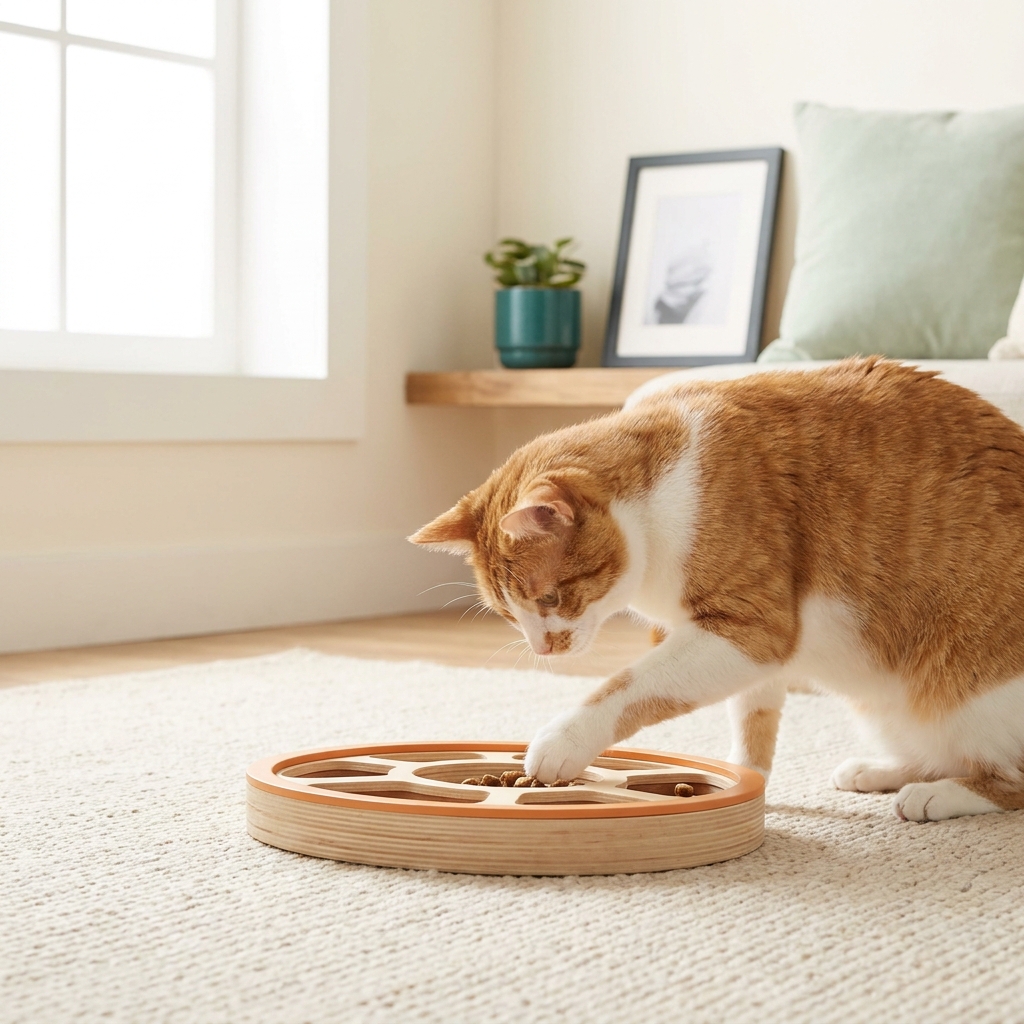
Introduce food puzzles or foraging toys that require the cat to work for small amounts of kibble a few times a day; this both slows fast eaters and satisfies hunting instincts, and guiding owners to start with low-difficulty puzzles reduces frustration while building engagement International Cat Care feeding enrichment advice.
Set consistent portions and feeding times to reduce begging
Portion control and a predictable timetable make feeding events less exciting as rare surprises, and feline welfare guidelines recommend resource predictability and appropriate distribution to lower stress and guarding around feeding areas AAFP and ISFM feline environmental needs guidelines.
Training steps to discourage pawing, tipping and guarding
Use humane management: block access to the feeder while it dispenses, reinforce calm behavior at feeder times with praise or a nonfood reward, and redirect attention to play or a puzzle when the cat approaches the feeder in an excited way; these approaches aim to change the conditions that reward tampering rather than punish the cat.
When tampering persists despite consistent enrichment and routine adjustments, consult a behavior professional or your veterinarian to rule out anxiety or medical causes that can increase food-focused behavior, following welfare guidance that recommends professional help for persistent or welfare-linked problems AAFP and ISFM feline environmental needs guidelines.
Feeder placement, stability and maintenance to prevent tampering
Location matters: place the feeder in a low-traffic, quiet area away from doors where other pets or people pass frequently, because cats are sensitive to social tension and resource competition and can react by guarding or pawing at feeders International Cat Care feeding enrichment advice.
Quick stability checks owners can do with household items
Secure the base with a non-slip mat or add weight low inside the feeder if your model allows it; simple anti-tipping measures reduce the chance a cat can tip, paw or slide the feeder and create spills that increase contamination risk PLOS ONE study on bowl hygiene.
Check seals, hopper lids and moving parts during your weekly clean so that gaps or worn seals that trap food are addressed promptly; trapped food increases bacterial growth and can make the feeder noisier, which may attract more attention from the cat FDA guidance on food storage and handling.
For battery powered or motorized feeders, replace batteries on a schedule and inspect the dispensing mechanism for wear; regular maintenance prevents partial jams that can cause repeated dispensing sounds or visible food drops that reinforce tampering.
Common mistakes owners make and how to avoid them
Relying only on an automatic feeder without adding enrichment leaves a cat with unspent foraging motivation, which can sustain pawing and other attention seeking; pairing the feeder with food puzzles and foraging play addresses that gap and is supported by feeding enrichment literature Journal of Feline Medicine and Surgery article.
Skipping cleaning or storing food improperly is a frequent oversight that raises contamination risk; owners should avoid leaving open bags of kibble exposed and follow sealed container storage to maintain food quality and reduce bacterial growth around feeders FDA guidance on storing pet food.
Placing a feeder where it creates competition, such as near another pet's food station or in a noisy corridor, can provoke guarding and tipping behaviors; welfare recommendations emphasize resource distribution and quiet locations to reduce conflict AAFP and ISFM feline environmental needs guidelines.
Avoid punitive responses such as scolding or sudden movement that can increase stress around feeding; instead, modify the environment and reward calm behavior so the cat learns alternative ways to access interest and food rewards.
Example routines, troubleshooting and wrap-up
Sample daily routine: morning quick wipe of the feeding area and tray, top up dry food if within date, release a 5 to 10 minute food-puzzle session midafternoon, and a short evening cleanup of crumbs and a check of seals; this mix keeps the feeder operational and the cat engaged PLOS ONE study on bowl hygiene.
Sample weekly routine: disassemble and wash removable bowls and trays in hot soapy water, inspect seals and the hopper rim for trapped food and residue, and test stability with a non-slip mat or a light weight to confirm anti-tipping measures are effective FDA guidance on food storage and handling.
Troubleshooting flow: observe when and how the cat tampers, try increasing puzzle enrichment or shifting puzzle sessions closer to the times the feeder dispenses, move the feeder to a quieter spot if competition appears likely, then clean and inspect seals and moving parts for leaks or food buildup; repeat adjustments and if tampering continues, consult a behaviorist or veterinarian for personalized help International Cat Care feeding enrichment advice.
Final checklist: daily wipe and food check, weekly deep wash of removable parts, sealed storage of dry food, consistent portioning and puzzle enrichment, quiet stable placement, and scheduled maintenance of seals and batteries; together these steps reduce both contamination risk and the behavioral drivers that make cats mess with feeders Journal of Feline Medicine and Surgery article.
If you notice repeated signs of anxiety, weight loss, or a sudden increase in food-focused behavior, seek veterinary or behaviorist input so medical conditions or welfare issues can be addressed as part of the solution AAFP and ISFM feline environmental needs guidelines.
Frequently asked questions
How often should I clean my automatic feeder?
Wipe the feeder daily, deep clean removable parts weekly with soap and hot water, and follow manufacturer instructions for electronic components.
Can enrichment really stop my cat from pawing the feeder?
Yes, adding food puzzles and foraging toys alongside consistent feeding reduces food-seeking motivation and often lowers tampering.
Is raw food riskier around automatic feeders?
Raw diets carry higher pathogen risk, so avoid them or use strict hygiene and consult guidance when household risk is elevated.
A tidy, well maintained feeder plus simple enrichment and placement changes often stops most tampering without punishment. If problems persist or you notice health changes, consult your veterinarian or a behaviorist so they can evaluate medical or welfare causes.
References
- https://journals.sagepub.com/doi/10.1177/1098612X16643753
- https://journals.plos.org/plosone/article?id=10.1371/journal.pone.0261859
- https://www.fda.gov/animal-veterinary/animal-health-literacy/getting-most-out-your-pets-food-store-food-safely
- https://www.cdc.gov/healthypets/keeping-pets-and-people-healthy/pet-food-treats.html
- https://icatcare.org/advice/feeding-enrichment-toys/
- https://journals.sagepub.com/doi/10.1177/1098612X13477537
- https://catnibbles.com/guides/cat-enrichment/
- https://catnibbles.com/guides/cat-feeding-equipment/
- https://catnibbles.com/guides/
- https://www.seisso.com/blogs/seisso-insights/how-to-clean-automatic-cat-feeder
- https://support.petsafe.net/articles/how-to-clean-and-reassemble-my-petsafe-flexfeed-automatic-pet-feeder
- https://wopet.com/dogs/how-to-clean-automatic-pet-feeder/?srsltid=AU7gw4XYRqUTSsq2oMxeoBDrByne7SKq_l21epWjP5vUwsj5tejQHuti