
The journal
Do cats have to have breakaway collars?
A clear answer and practical safety steps on breakaway (quick‑release) cat collars, with evidence‑based tips on choosing, fitting and checking a collar.
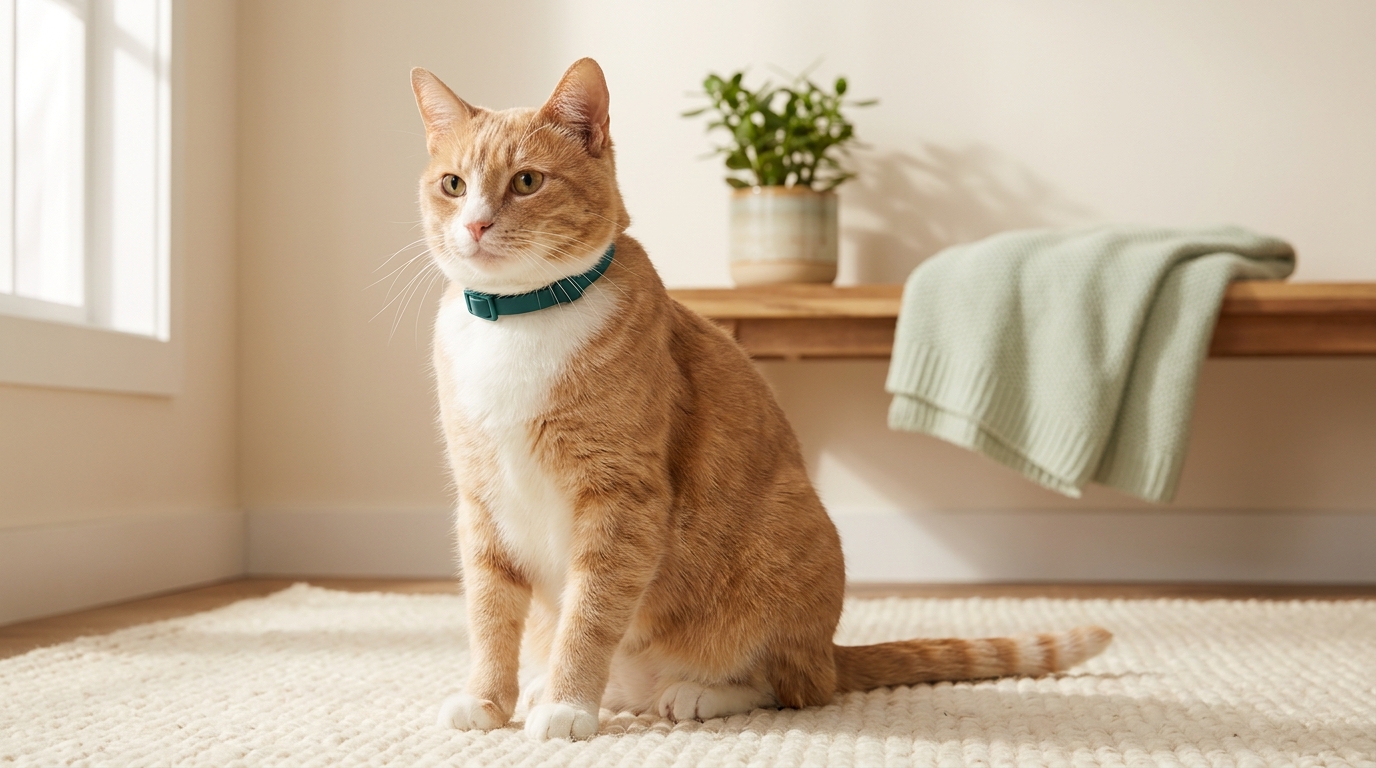
No. Cats do not have to have breakaway collars. But if you choose to use a collar, welfare guidance recommends a quick‑release (snap‑opening) design because it is most likely to pop open if it gets caught, reducing the risk of injury (Cats Protection: choosing a cat collar).
When a breakaway collar makes sense
Collars can snag and cause serious injuries if they do not release. Cats Protection advises that the safest collars are quick‑release or snap‑opening models that can pop open if caught. They specifically do not recommend elasticated collars, which can cause harm if a cat becomes tangled (Cats Protection: choosing a cat collar).
For identification, microchipping is the most reliable way to make sure you and your cat are reunited, because collars can come off. If you still want visible ID, pair microchipping with a quick‑release collar used and fitted safely (Cats Protection: choosing a cat collar).
How to choose and fit a breakaway collar
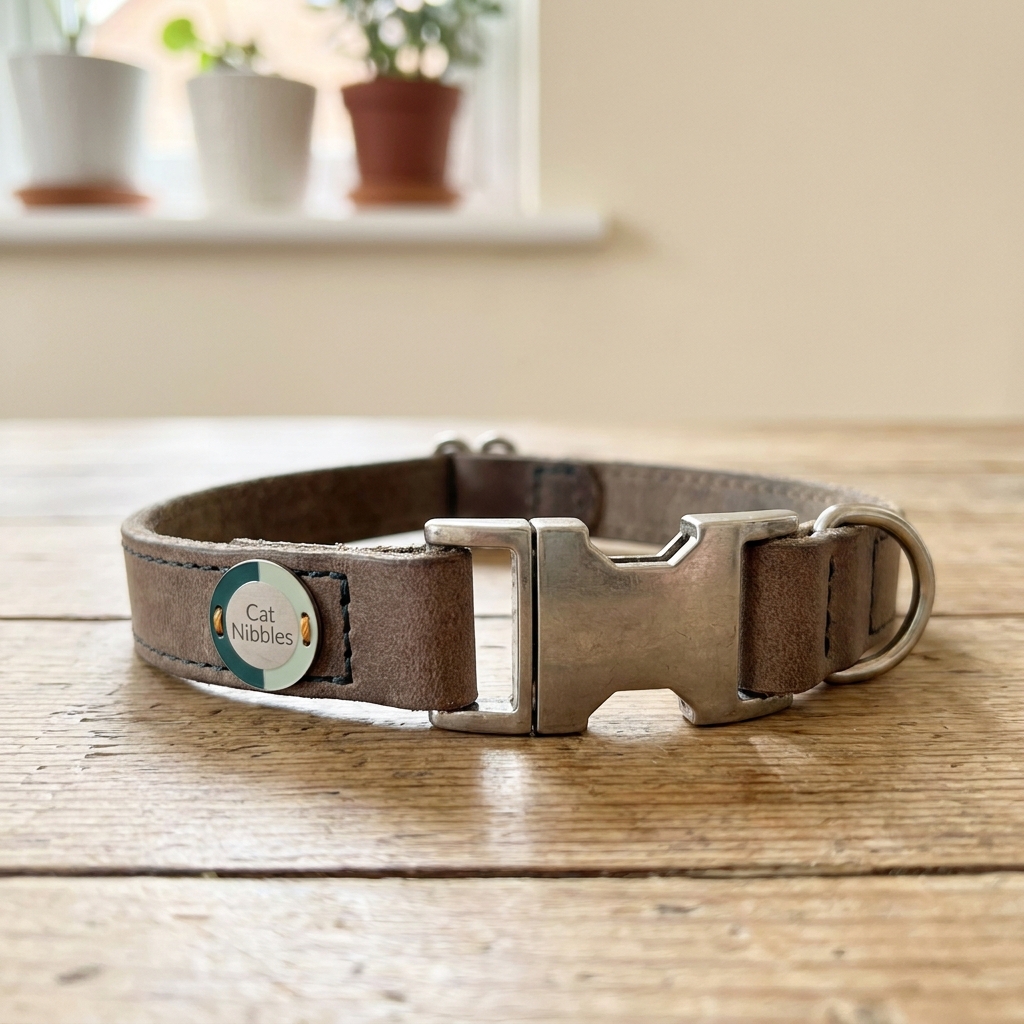
Choose a collar that is specifically made for cats, with a quality quick‑release catch and no loose stitching or decorative pieces that could detach and be swallowed. Reflective strips can help a cat be seen at night. If you add accessories like bells or tags, be aware they can pose hazards if they snag, and they should only be used with a quick‑release collar (Cats Protection: choosing a cat collar).
Fitting basics: when the collar is on, you should be able to slide two fingers comfortably between collar and neck. Check the fit again after a few minutes, as a cat’s posture can change how it sits. Replace a damaged collar straight away (Cats Protection: choosing a cat collar).
Quick checks that help keep collars safe
Day to day, small checks make the biggest difference. Watch how your cat moves in the collar, keep attachments minimal, and keep the quick‑release mechanism clean so it can work as designed.
60‑second breakaway collar safety check
Common mistakes to avoid
- Using an elasticated collar. These are not recommended because they can cause more harm than good if a cat gets tangled (Cats Protection: choosing a cat collar).
- Choosing heavy or decorated collars with studs or gems that can fall off and be swallowed (Cats Protection: choosing a cat collar).
- Letting a damaged collar stay on. Replace immediately if the material or clasp is compromised (Cats Protection: choosing a cat collar).

Indoor vs outdoor cats: what actually changes?
Cats can get stuck if a collar catches while they are exploring, and those accidents can cause serious injury. Whether your cat stays indoors or goes outside, a quick‑release collar is the safer option if you decide to use a collar at all. For identification, microchipping remains the most reliable method because collars can be lost (Cats Protection: choosing a cat collar).
Related home safety reads on Cat Nibbles:
- Safest houseplants for cats: a simple shopping and placement guide
- Can a cat window perch break a window? How to check before you install
FAQ
Do indoor cats need a breakaway collar?
They don’t have to wear one. If you choose a collar for any cat, a quick‑release design is advised as the safest type because it can pop open if caught. Microchipping is the most reliable identification method (Cats Protection).
Is a bell a good idea?
A bell may reduce bird catches, but any accessory can pose a snag risk. If you use one, ensure the collar is quick‑release and that the bell design cannot catch a claw (Cats Protection).
Bottom line: cats don’t have to have breakaway collars. If you want a collar, choose a good‑quality quick‑release model, fit it correctly, and check it routinely. For identification, always microchip as your primary safeguard (Cats Protection).