The journal
Safest houseplants for cats: a simple shopping and placement guide
A practical answer on the safest houseplants for cats, with specific safe examples, plants to avoid, how to check labels, and where to place plants at home.
Short answer
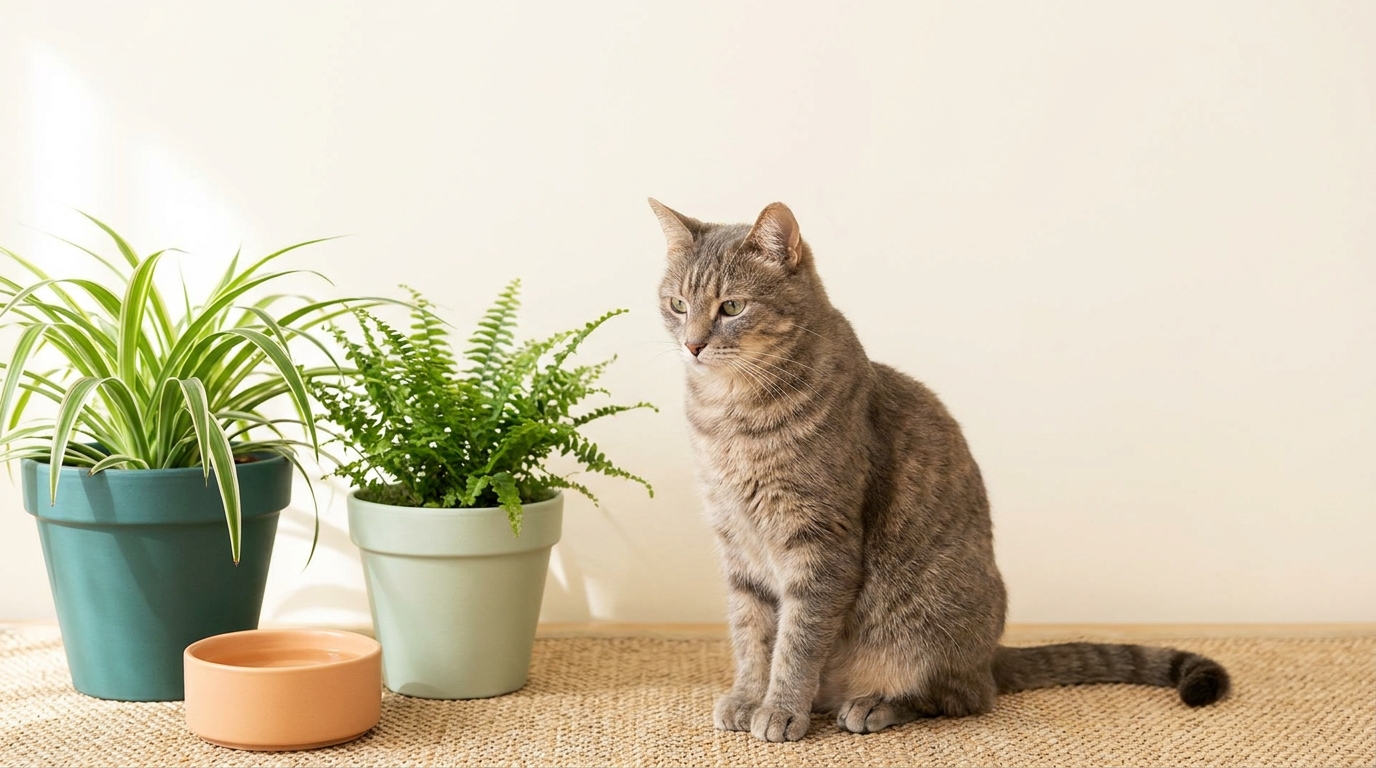
The safest houseplants for cats are those confirmed non-toxic in a trusted database such as the ASPCA’s. Popular, widely cited cat-friendly picks include Boston fern, spider plant, calatheas and money tree, but you should still confirm the exact species on the label before purchase https://animalsofpnw.com/2022/04/27/cat-safe-house-plants/ and double-check the ASPCA list on your phone https://www.aspca.org/pet-care/animal-poison-control/cats-plant-list.
Cat-safe picks you can shortlist
Commonly chosen, non-toxic options
- Boston fern (Nephrolepis exaltata)
- Spider plant (Chlorophytum comosum)
- Calatheas and prayer plants (Calathea/Maranta)
- Money tree (Pachira aquatica)
These plants are frequently recommended by pet owners as cat-safe choices; still, always verify the exact plant name on the tag before you buy https://animalsofpnw.com/2022/04/27/cat-safe-house-plants/. Some shops also curate “pet-friendly” selections to help you browse, which you can use as a starting point while you confirm species yourself https://www.livelyroot.com/collections/pet-friendly-plants?srsltid=AYCX9vKmP0qcq1u09XkIosbW4OOB39JyQ13xEZOoYj2IOfHtGJtZ3Jk8.
Plants to avoid with cats (and why)
- True lilies (Lilium) and daylilies (Hemerocallis): listed as toxic to cats; keep them out of cat households entirely https://www.aspca.org/pet-care/animal-poison-control/cats-plant-list.
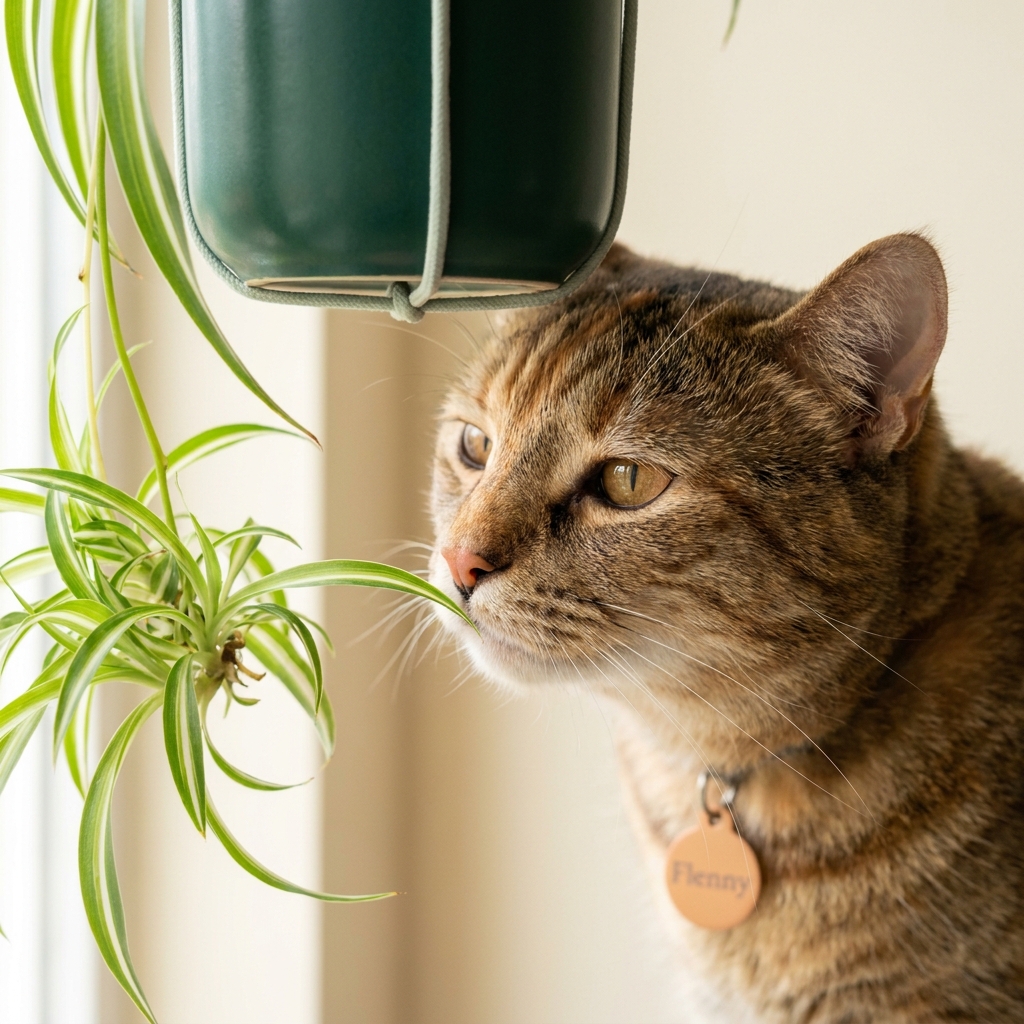
- Pothos/Devil’s ivy (Epipremnum aureum), dieffenbachia, and philodendron: included among toxic plants to cats on the ASPCA list; avoid placing within reach https://www.aspca.org/pet-care/animal-poison-control/cats-plant-list.
- Sago palm and other cycads (Cycas and Zamia species): listed as toxic to cats; do not keep indoors where cats live https://www.aspca.org/pet-care/animal-poison-control/cats-plant-list.
Placement and simple home habits to reduce risk
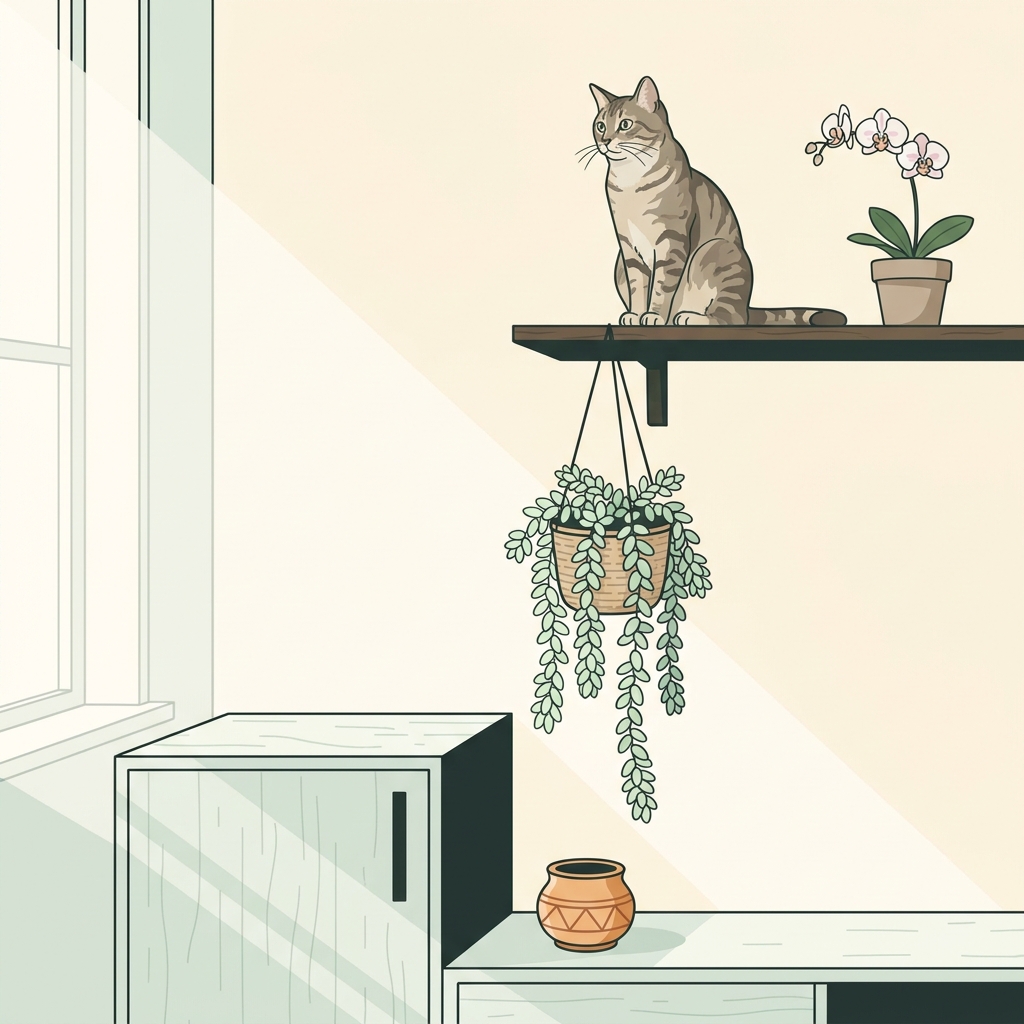
- Put even non-toxic plants out of easy reach (high shelves, sturdy hanging planters) so curious cats are less tempted to chew.
- Offer a safe nibble alternative if your cat likes greens, such as a small tray of cat grass kept where you can supervise interest https://animalsofpnw.com/2022/04/27/cat-safe-house-plants/.
- Reduce boredom that can lead to plant exploration. For example, rotate a puzzle feeder session daily to channel energy away from leaves Do cats enjoy puzzle feeders?.
- Keep routine areas tidy (feeding and water spots) so plants aren’t brushed, knocked, or chewed during daily cat traffic Why keep your cat’s water bowl away from food?.
Quick pre-buy checklist for cat-safe houseplants
If your cat chews a plant
If your cat nibbles an unknown or known-toxic plant, contact your veterinarian promptly. Having the label or a photo helps identification and next steps. The ASPCA Poison Control resource can help you confirm plant risks while you arrange care https://www.aspca.org/pet-care/animal-poison-control/cats-plant-list.
FAQ
Are spider plants safe for cats?
Spider plants are widely recommended by pet owners as non-toxic choices, but always confirm the specific plant name in the ASPCA database before buying https://animalsofpnw.com/2022/04/27/cat-safe-house-plants/ https://www.aspca.org/pet-care/animal-poison-control/cats-plant-list.
What about palms?
Some indoor palms (for example, parlor-type palms) are often sold as pet-friendly; verify the exact species in the ASPCA list. Do not confuse them with sago palm (a cycad), which is toxic to cats https://www.livelyroot.com/collections/pet-friendly-plants?srsltid=AYCX9vKmP0qcq1u09XkIosbW4OOB39JyQ13xEZOoYj2IOfHtGJtZ3Jk8 https://www.aspca.org/pet-care/animal-poison-control/cats-plant-list.
Keep plant tags and a quick phone photo of each new plant so you can identify it fast if your cat shows interest. When unsure, choose a non-toxic alternative and place it out of reach.
Related guides
Related guide from Garden in Reach
After confirming the exact plant species is suitable for your cat household, consider its placement and light. See Should you rotate plants in a window?.