The journal
What is silvervine good for in cats? Practical uses and safety
A clear answer on what silvervine does for cats, with practical ways to use it safely and when to skip it.
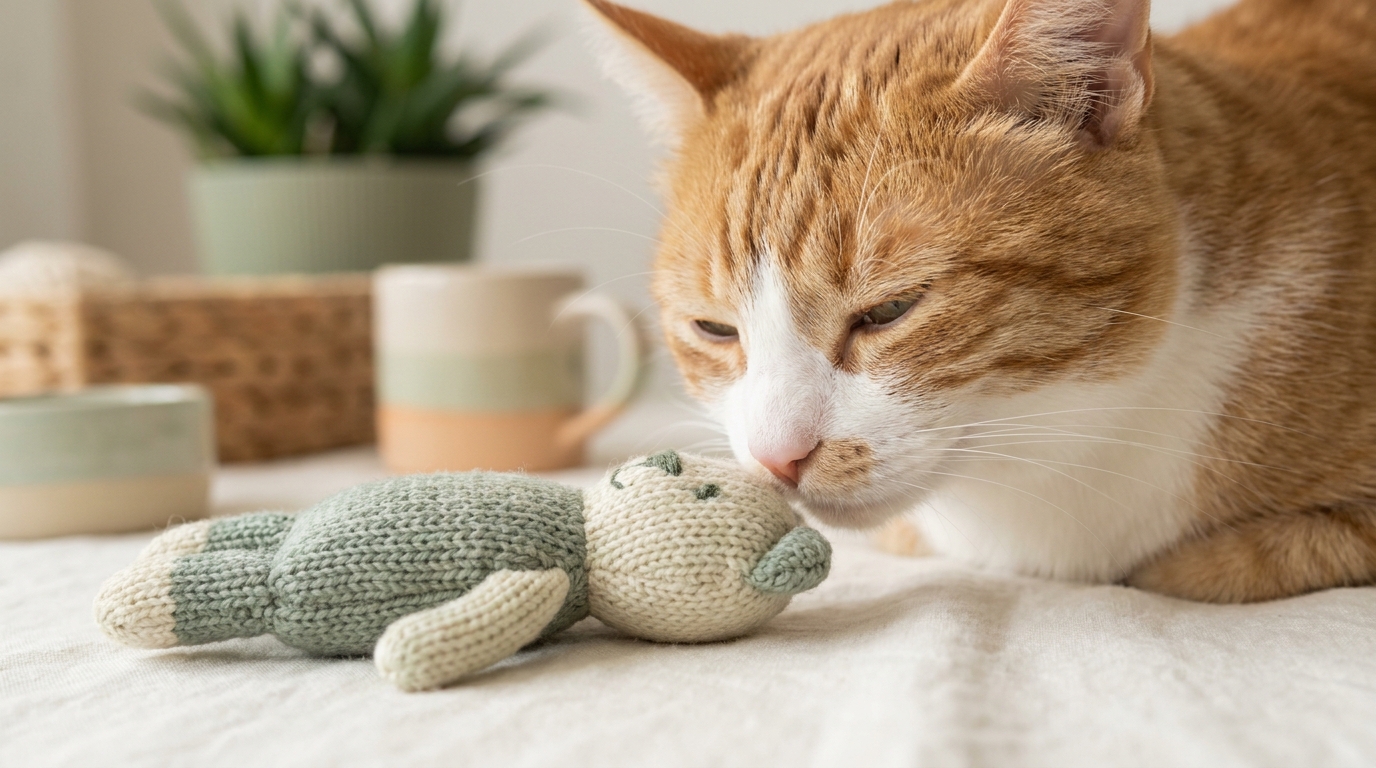
Silvervine is good for enriching your cat’s day: it commonly triggers brief rolling, rubbing, licking and playful bursts, helps some cats relax, and can attract them to scratchers or new beds. It’s generally safe and non-toxic when used under supervision, and the effects usually last up to about 5-30 minutes PetMD.
What silvervine is and how it helps
Silvervine (Actinidia polygama), also called matatabi, is a plant whose scent produces a euphoric response in many cats similar to catnip. Compared with catnip, more cats respond to silvervine, and it contains multiple active compounds, including actinidine and dihydroactinidiolide PetMD. Typical benefits for everyday care include:
- Enrichment and play: short, energetic or blissful sessions that alleviate boredom and support indoor activity PetMD.
- Stress relief: a temporary, pleasant state that can help ease mild, situational stress for responding cats PetMD.
- Attracting cats to things you want them to use: a pinch on a new bed or scratcher can draw interest PetMD. For scratcher choices, see what type of scratching post do cats prefer?
- An option for cats that ignore catnip: in a study summary, around 80% of cats responded to silvervine versus about 68% to catnip; kittens under ~8 months and pregnant cats are less likely to react PetMD.
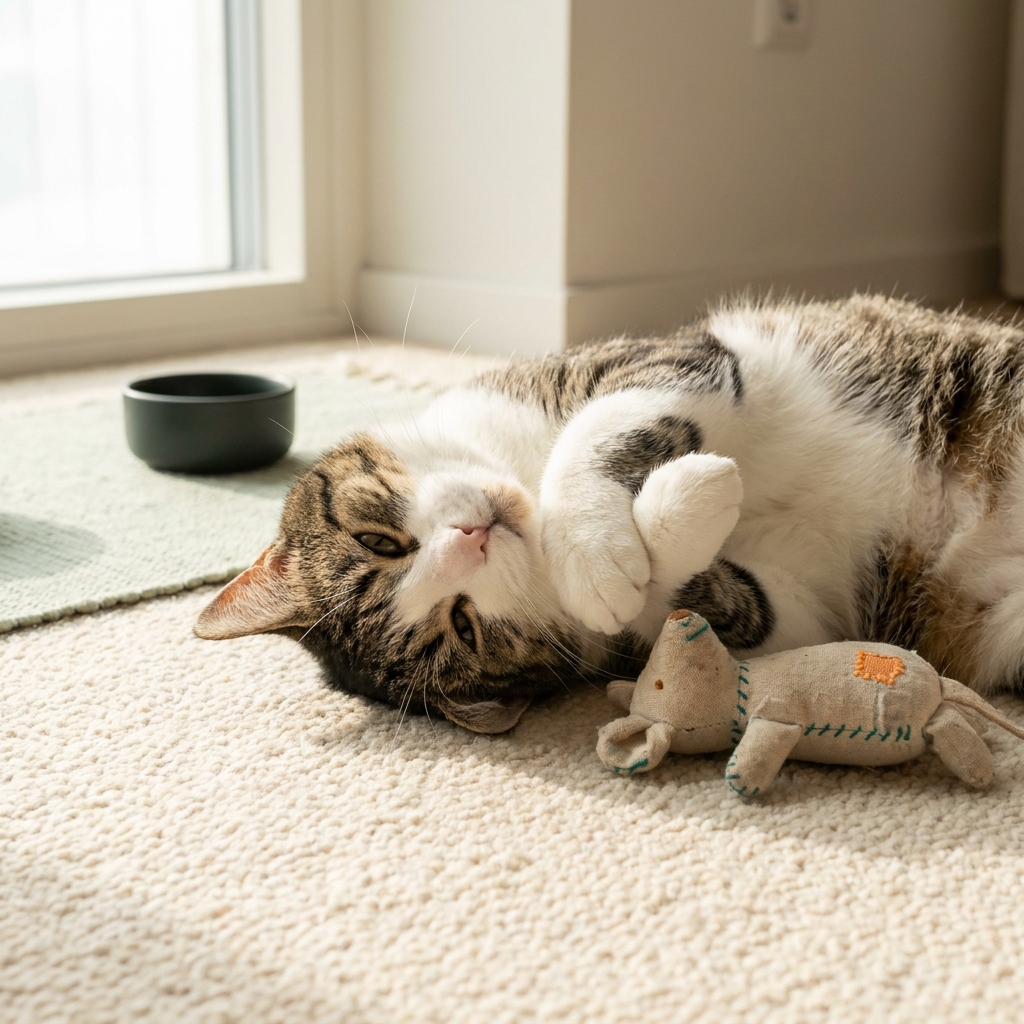
There is also research that the rubbing-and-rolling transfers plant iridoids to fur that can help repel mosquitoes; consider this a potential side benefit of the behavior, not a replacement for parasite prevention PetMD.
How to offer silvervine
Choose a form that fits your cat
- Powder: sprinkle a small pinch on a toy, scratcher or bed.
- Chew sticks: stems that some cats like to gnaw; always supervise.
- Toys and sprays: pre-infused toys or light sprays for surfaces PetMD.
Session timing and rotation
- Start small: offer a pinch of powder or one stick on a flat surface and let your cat approach.
- Keep it brief: most reactions start immediately and fade within 5-30 minutes; remove the item when interest drops PetMD.
- Use occasionally: putting silvervine away between sessions helps keep it novel; many cats do best with sessions every few days Cats.com explainer.
Looking for more indoor ideas beyond scent play? Try our simple plan to entertain an indoor cat.
Safety and sensible limits
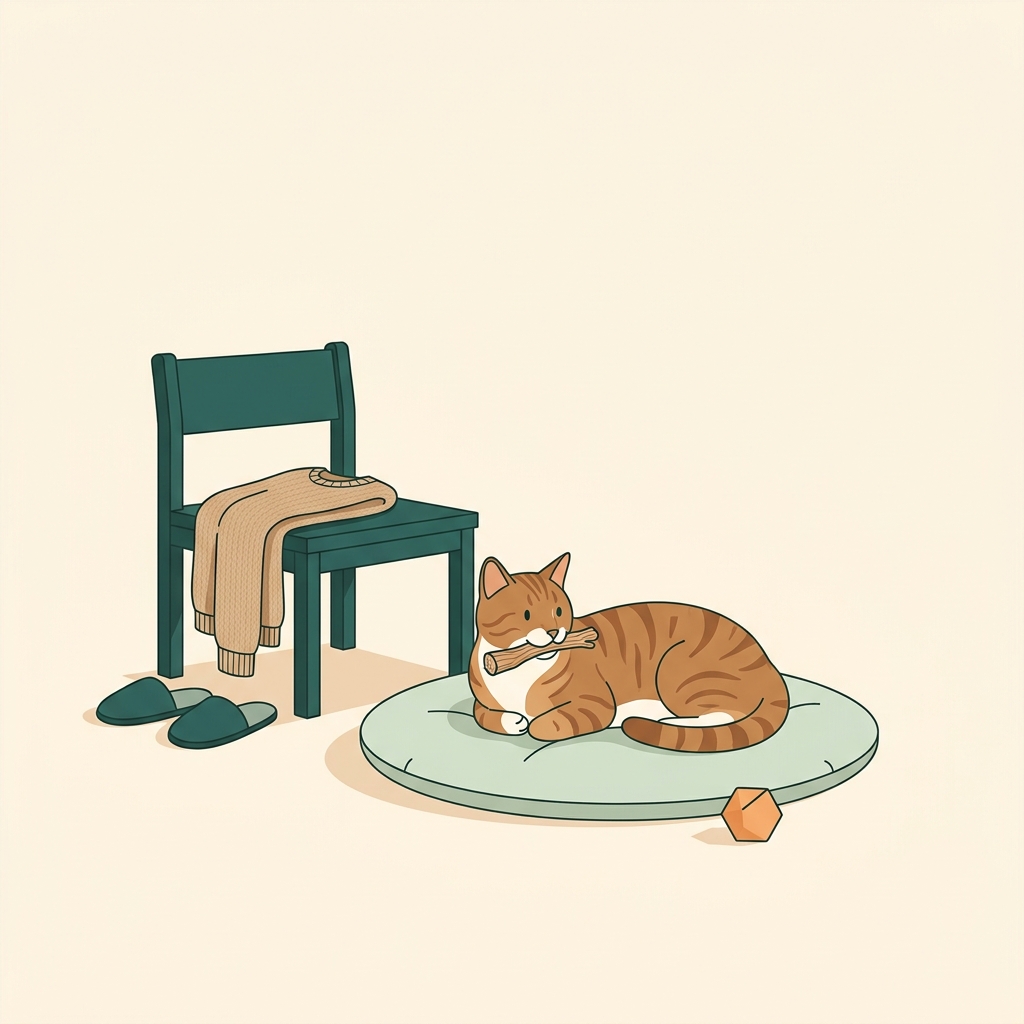
- Non-toxic, but supervise: silvervine itself isn’t toxic to cats, yet fragments from chew sticks can pose choking or obstruction risks; discard splintered pieces promptly PetMD.
- Stomach upset is possible: ingesting large amounts may cause mild GI upset; stop use if you notice vomiting or other illness and speak with your veterinarian PetMD.
- Who may not react: kittens under about 8 months and pregnant cats often show little to no response; that’s normal and not a sign of a problem PetMD.
Offer silvervine safely: a quick checklist
FAQ
How often can I give my cat silvervine?
There’s no strict dose. Practical use is occasional, with brief supervised sessions and breaks between them to keep the response strong Cats.com explainer.
What if my cat doesn’t react?
Some healthy cats simply won’t respond. Silvervine tends to engage more cats than catnip overall, but a minority won’t react to either. That’s normal PetMD.
Does silvervine really repel mosquitoes?
Studies indicate the compounds cats transfer to their fur while rubbing can deter mosquitoes, but this is a brief, behavioral side effect and not a substitute for vet-recommended parasite prevention PetMD.