The journal
Do cats like it when you wash their bedding? A practical answer
A clear answer on whether cats like freshly washed bedding, with safe, vet- and manufacturer-grounded steps to clean a cat bed and help your cat settle.
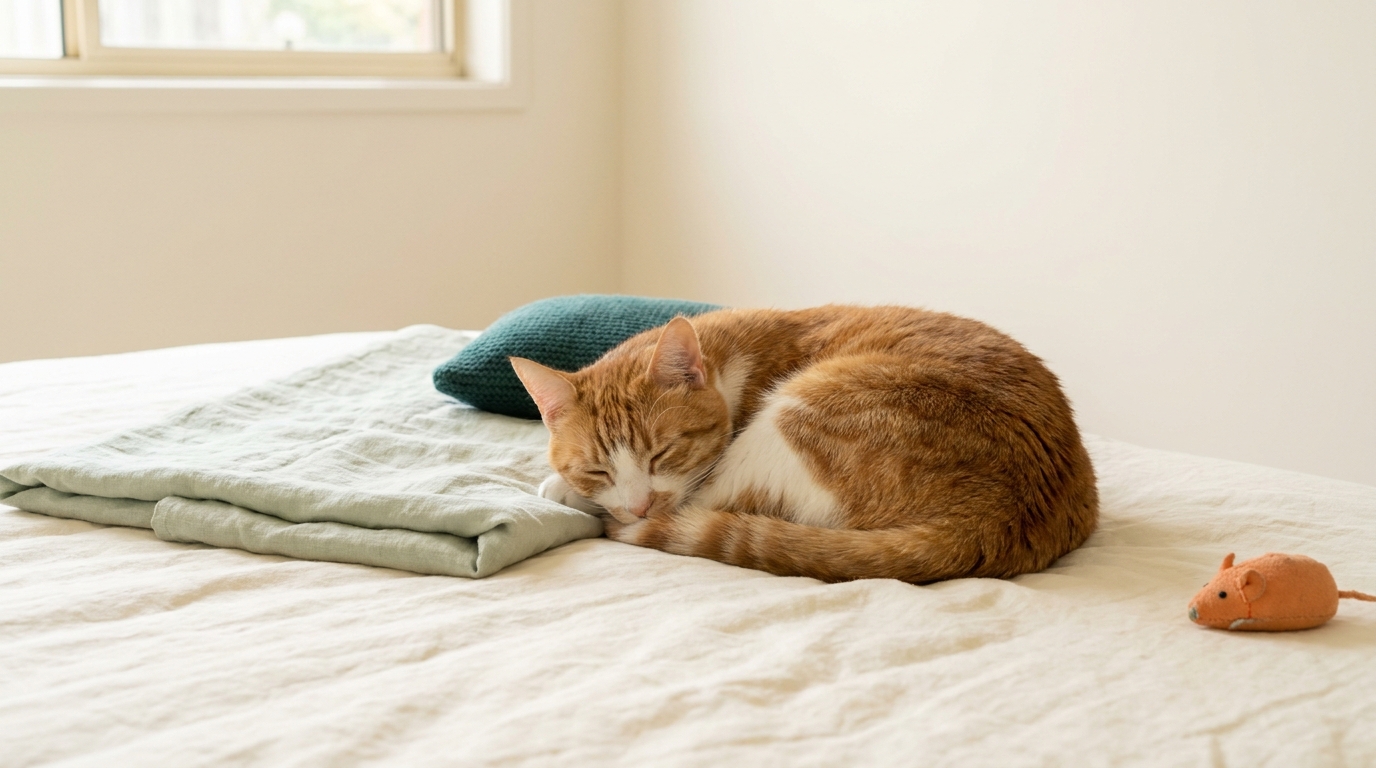
Often yes, but it depends on the cat. Many cats are happy on clean, soft bedding. Others may hesitate right after a wash because their familiar scent has gone. Most will re-mark the bed and settle again if you wash with a mild, fragrance-free detergent, dry it fully, return it to the usual spot and add a familiar-smelling item nearby. Guidance on scent and settling from Cats Protection supports this approach (Cats Protection: preparing for a cat).
Why reactions vary: scent and comfort
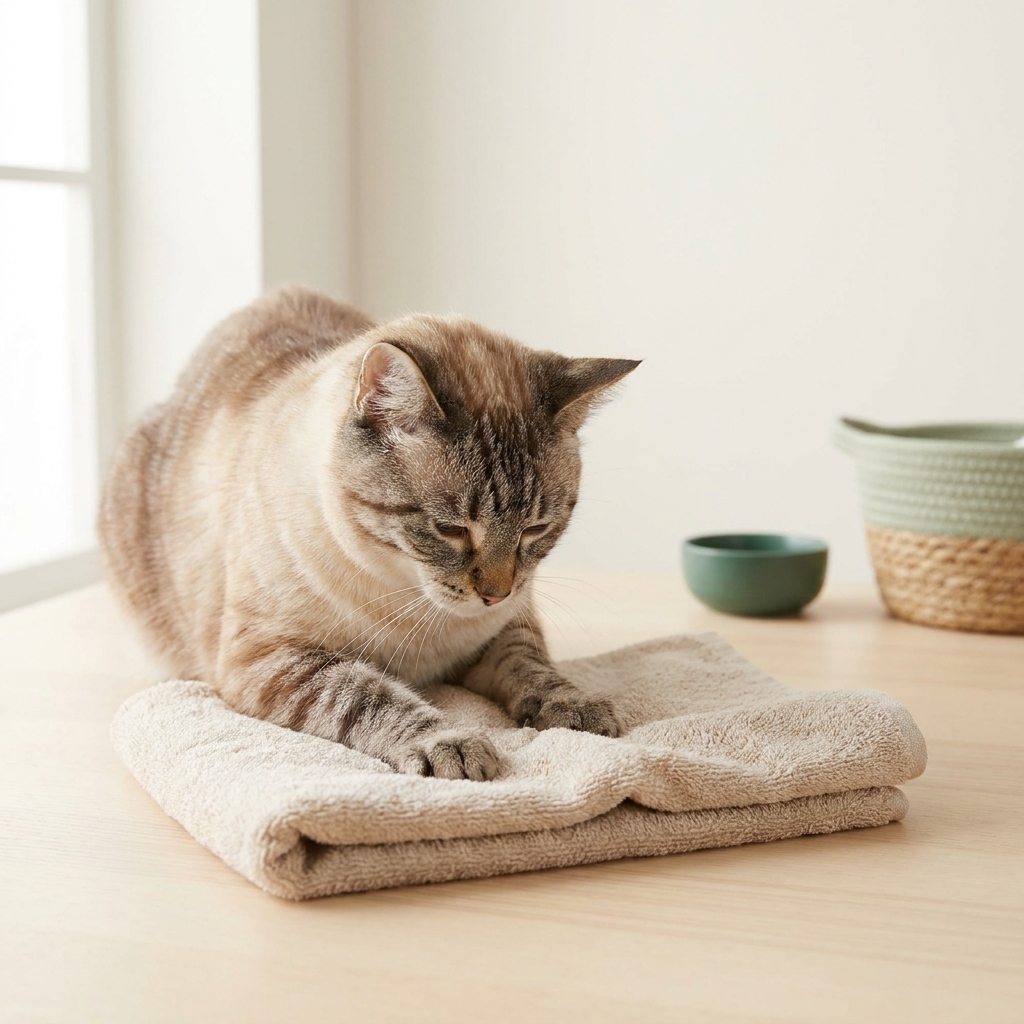
Cats rely heavily on scent to feel safe. They deposit facial pheromones on places they rest, which helps mark an area as familiar. Washing removes much of that scent, so a cat may rub or knead to re-apply their scent, or avoid the bed briefly until it smells right again (Cats Protection: preparing for a cat).
Comfort still matters. Soft, warm and partially enclosed rests tend to be appealing, so place the bed in a quiet, undisturbed spot and keep food, water and litter away from it (Cats Protection: preparing for a cat).
How to wash a cat bed safely
Before you wash
- Check the care label and any manufacturer instructions first. Some foam inserts are hand-wash only; many covers are machine-washable (Travel Cat: Cleaning your cat's bed).
- Remove loose hair and debris by shaking outdoors, lint rolling or vacuuming, so hair doesn’t mat in the wash or clog the machine (Travel Cat: Cleaning your cat's bed).
- Use a fragrance-free, pet-safe detergent; avoid dyes and strong scents that can put cats off using the bed (Travel Cat: Cleaning your cat's bed).
Washing and drying
- Wash covers and any washable parts per the label. If hand-washing a large insert, submerge, agitate gently, then rinse until water runs clear (Arm & Hammer: How to wash pet bedding).
- Use an extra rinse to help remove detergent residue, which some cats may find aversive (Arm & Hammer: How to wash pet bedding).
- Dry completely before returning it to your cat. Damp or cool padding can feel unfamiliar. Skip dryer sheets on pet bedding (Arm & Hammer: How to wash pet bedding; Travel Cat: Cleaning your cat's bed).
Want broader cleaning know-how for pet gear? See our guide to washing a cat carrier safely.
Worked example: machine-washing a small bolster bed
- Unzip and remove the cover. Shake both pieces outside and lint-roll the seams.
- Pre-treat any visible spots on the cover per your detergent’s instructions and the care label.
- Machine-wash the cover on the label’s recommended cycle with a fragrance-free detergent. Use an extra rinse (Arm & Hammer: How to wash pet bedding).
- Hand-wash the inner cushion only if its care instructions explicitly permit washing: follow the specified method and rinse thoroughly. A non-machine-washable insert is not automatically hand-washable (Travel Cat: Cleaning your cat's bed).
- Air-dry or tumble on low per the label. Do not use dryer sheets. Reassemble only when fully dry (Arm & Hammer: How to wash pet bedding).
- Return the bed to its usual location and place a small item with your scent nearby to help your cat re-settle (Cats Protection: preparing for a cat).
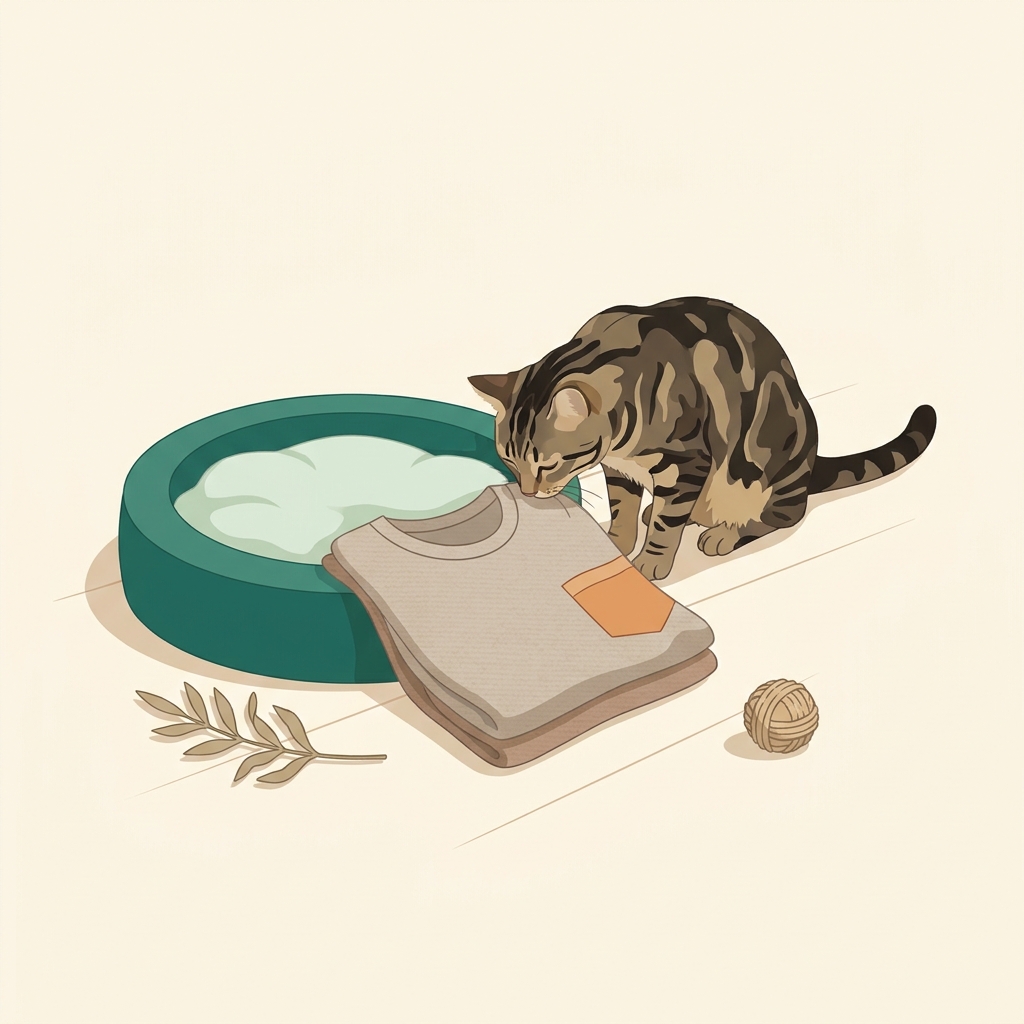
After-wash settling checklist
If your cat avoids the freshly washed bed
Likely reasons include loss of familiar scent, a change in texture or temperature, or a new location. Give your cat time and privacy; forcing interaction can increase stress. If avoidance is sudden and persistent or part of wider changes in behaviour, ask your vet to rule out a health issue (Cats Protection: cats hiding).
Thinking about where your cat sleeps generally? Read our broader explainer on whether your cat should sleep in your bed.
Short FAQ
Will strong laundry fragrance put my cat off their bed? It can. Choose a fragrance-free, pet-safe detergent and rinse well so the fabric smells neutral, then let your cat re-mark it (Travel Cat: Cleaning your cat's bed).
Do I need very hot water to sanitize? Follow the care label first. Many beds clean well with label-recommended settings plus an extra rinse and complete drying; over-hot cycles can damage fillings (Arm & Hammer: How to wash pet bedding).