The journal
Where do cats like to hide? Favorite spots and whether tunnels count
A clear answer to where cats prefer to hide, with practical, safe ways to set up boxes, covered beds, high perches and tunnels.
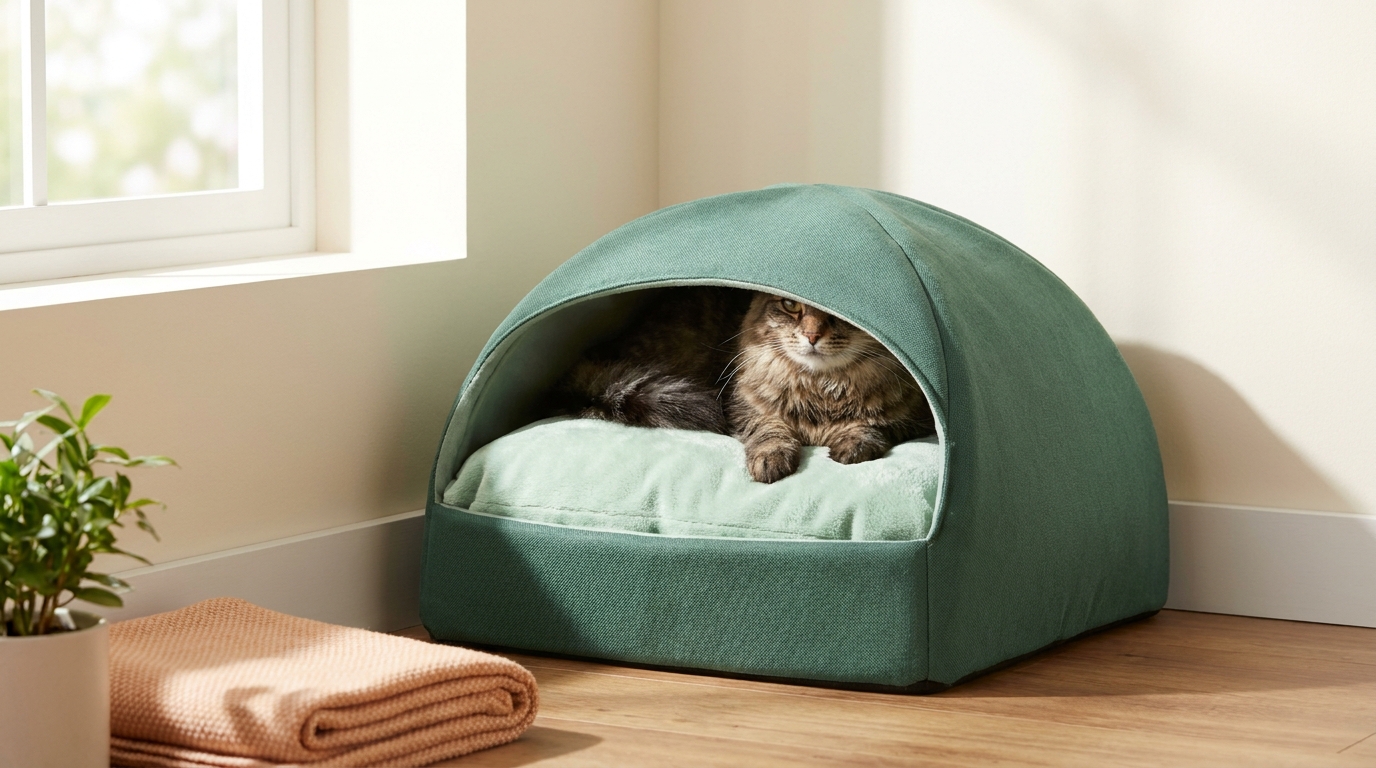
Most cats favor dark, quiet, enclosed spots with their back protected and a clear view out. In most homes that means under beds or sofas, inside closets, cardboard boxes, covered beds or cat caves, and elevated shelves or perches. Many cats also treat play tunnels as part-time hideaways when they are stable and open at both ends PetMD on why cats hide Cats Protection: Cats hiding Companion Animal Psychology: hiding places.
Common favorite hiding spots at home
- Under beds, sofas and chairs: dark, protected spaces that let a cat watch the room from a safe edge PetMD on why cats hide.
- Closets and cupboards: quiet, enclosed areas with soft surfaces and familiar scents PetMD on why cats hide.
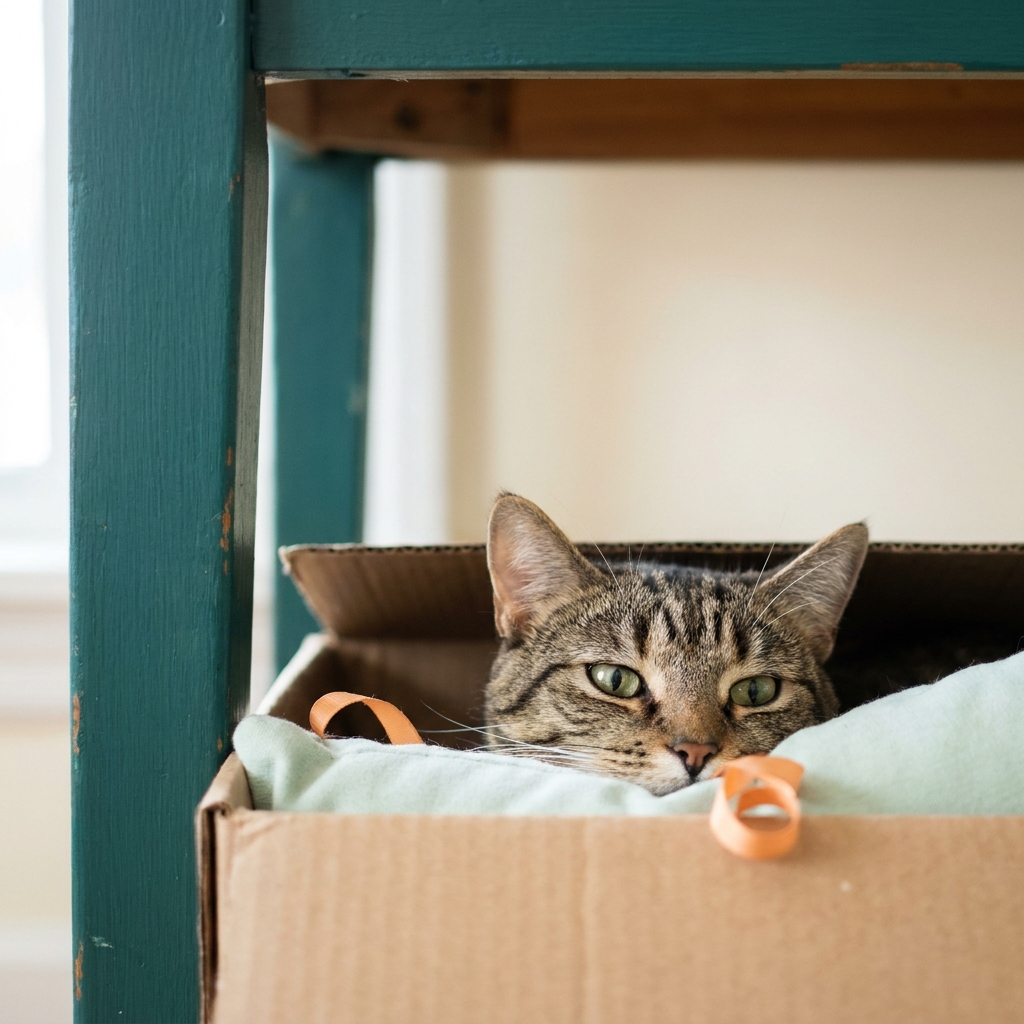
- Cardboard boxes: simple, enclosed hideaways most cats readily choose; ensure easy exit and check before recycling Cats Protection: Cats hiding.
- Covered beds or cat caves: purpose-made, covered options that protect the back and sides while leaving a front opening PetMD on why cats hide.
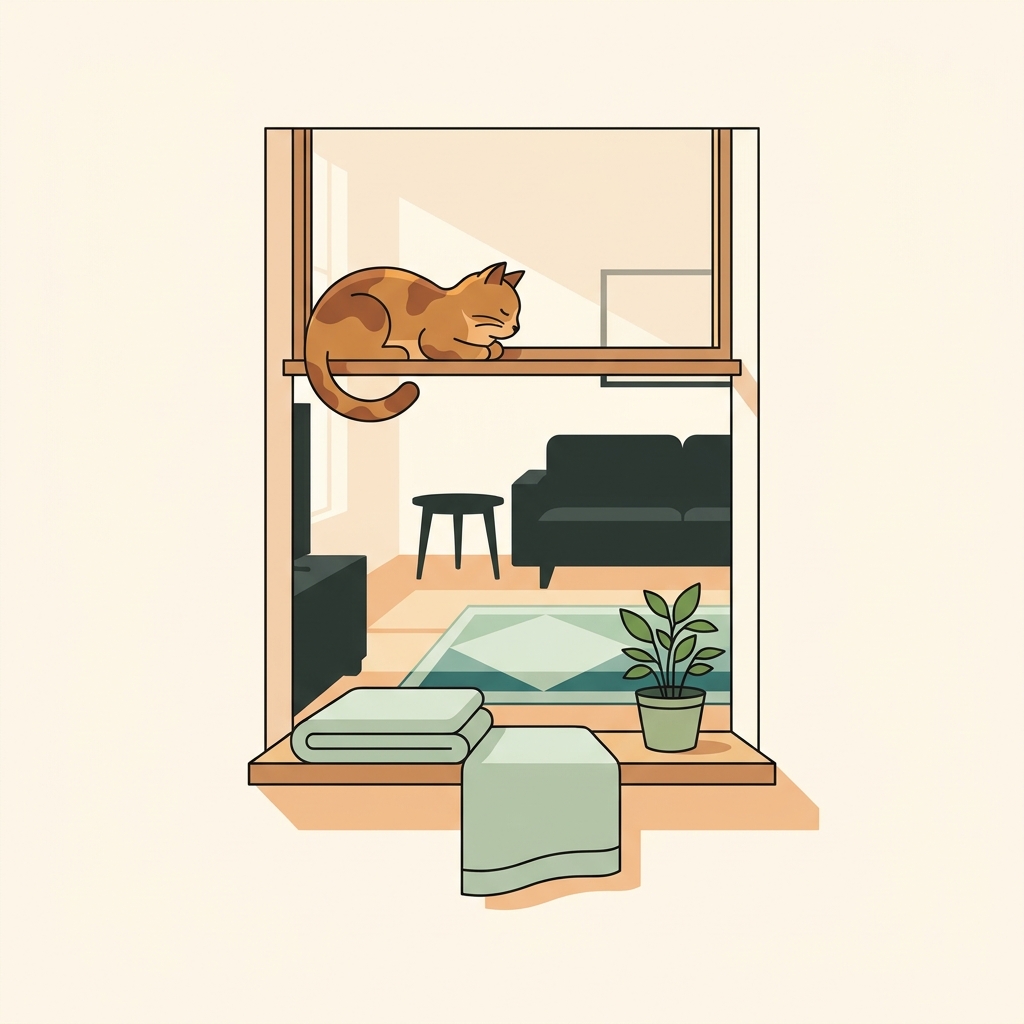
- High perches and shelves: being up high can feel safer and doubles as a hidden observation point Cats Protection: Cats hiding.
Want a deeper dive into one classic choice? Read our explainer on why cats like to sit on cardboard boxes.
Do cats like tunnels as hiding spots?
Often, yes. Many cats use fabric or paper tunnels as flexible hide-and-seek spaces because they are enclosed but easy to exit. Tunnels also support play, which can help reduce stress. In shelter settings, simply providing a place to hide is linked with lower stress, which is why standards recommend retreat options ASPCApro: hiding places and stress. For homes, tunnels work best when:
- Both ends are open so the cat has a clear way out.
- The tunnel is stable (won't roll) and placed along a wall or in a corner.
- There are peepholes for light and visibility, especially for timid cats.
- No long strings or small parts are left attached unattended.
Some cats dislike loud crinkle materials. If yours startles easily, begin with a softer, quieter tunnel and build confidence through short play sessions Companion Animal Psychology: tunnels and safe spaces.
Set up safe, appealing hideaways
Placement principles
- Choose quiet spots where your cat won't be disturbed, ideally with a view of room entrances.
- Offer an elevated option when suitable for your cat’s mobility, with stable, accessible entry and exit; many cats feel safer off the ground Cats Protection: Cats hiding.
- Keep hideaways away from food, water and litter to prevent crowding essential stations Cats Protection: Cats hiding.
- Offer multiple choices so your cat can pick what feels safest today PetMD on why cats hide.
Worked example: a small-apartment layout
Try one sturdy box tucked under a side table, a covered bed in a quiet corner, and a tunnel along a wall leading to a window perch. This gives a dark retreat, a covered nap space and a semi-hidden observation point. If you are adding a window perch, review how to check glass and frames first: can a cat window perch break a window?
When hiding signals a problem
Hiding is normal some of the time, especially during changes. But sudden, persistent hiding alongside reduced eating or drinking, vomiting, diarrhea, coughing/sneezing, using the toilet outside the box, or marked lethargy is a reason to contact your veterinarian for advice rather than wait for the hiding to stop PetMD on why cats hide. If your cat is hiding due to a short-term stressor like visitors or fireworks, leave them to their safe place until they choose to come out Cats Protection: Cats hiding.
Set up a safe hideaway or tunnel today
Short FAQs
Are tunnels good for shy cats?
They can be. Choose quieter materials, keep both ends open, and add peepholes so a shy cat can see out. Combine with other safe spaces so your cat can opt in or out Companion Animal Psychology: tunnels and safe spaces.
How many hiding spots should I provide?
Ensure each cat has their own safe place, ideally in different rooms or at different heights, so they can avoid conflict and rest undisturbed Cats Protection: Cats hiding.
Related guides
Optional equipment for this guide
A safe cardboard box or familiar hiding place may already meet the need. A tunnel is another option if your cat enjoys enclosed play spaces.
As an Amazon Associate I earn from qualifying purchases. These are researched options, not hands-on test results. Check the exact size or model, current price and availability on Amazon.
| Product option | Fit and limits to check | Retailer |
|---|---|---|
| Product imageCatit Vesper tunnel, Blue | An optional hide-and-play tunnel. Check the openings, attached toy and available floor space, supervise kittens, inspect wear, and leave a clear route out. | View on Amazon |