The journal
What toys do kittens love most? Where tunnels fit
A practical guide to the kitten toys most cats love, how tunnels fit into play, safe choices, and an easy play plan you can try today.
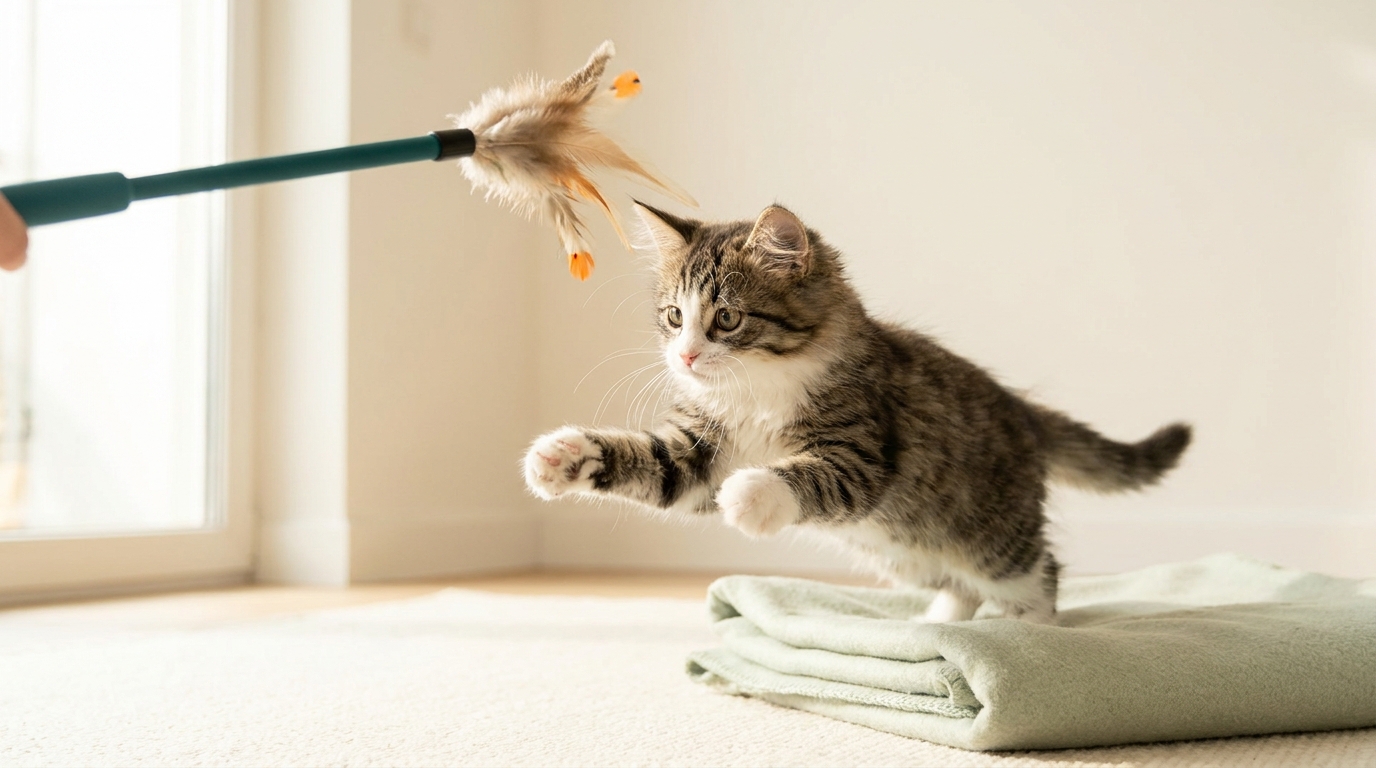
Kittens often engage with toys that mimic prey and invite chasing, pouncing or carrying, but individual preferences vary. Good first picks are wand or feather teasers, lightweight balls or mice that rattle, crinkle toys, and many kittens also enjoy fabric play tunnels for hide-and-ambush games. Simple treat-dispensing toys can add variety and mental stimulation too (Telegraph: best cat toys; PetSafe: right toy to entertain playful cats; Cats.com: best cat toys reviewed).
Kitten toy types to try
1) Wand and teaser toys
Owner-led teasers let you imitate prey with changes in speed, height, and direction. They are widely recommended to trigger chasing, pouncing and jumping, and to keep little claws off hands (Telegraph: best cat toys). Popular examples include ribbon-style teasers and feather wands (Cats.com: best cat toys reviewed).
2) Lightweight balls and small “mice”
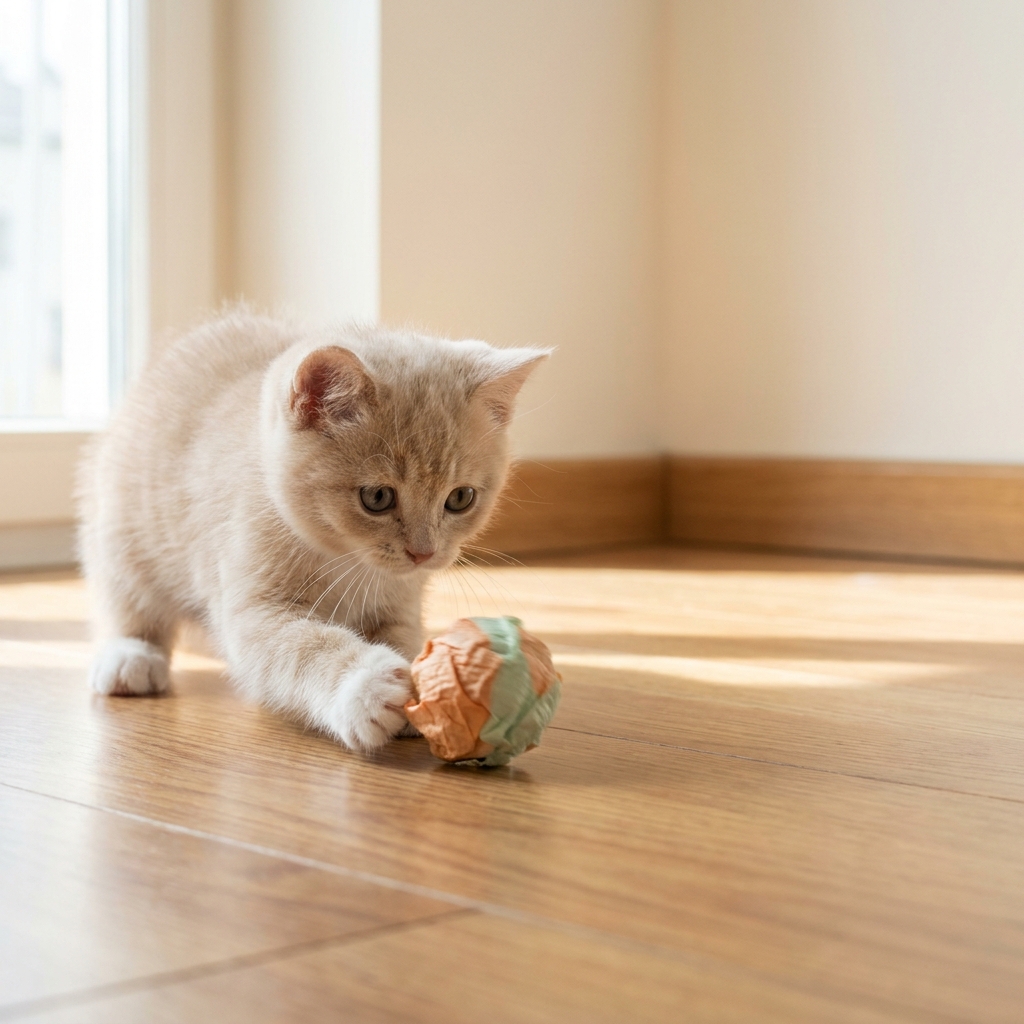
Ping-pong style balls, rattle balls and small soft mice are easy to bat, chase and carry, encouraging independent practice of paw-eye coordination (Telegraph: best cat toys).
3) Crinkle and sound toys
Soft toys with crinkle or gentle rattles add sensory feedback that keeps many kittens engaged (PetSafe: right toy to entertain playful cats).
4) Play tunnels
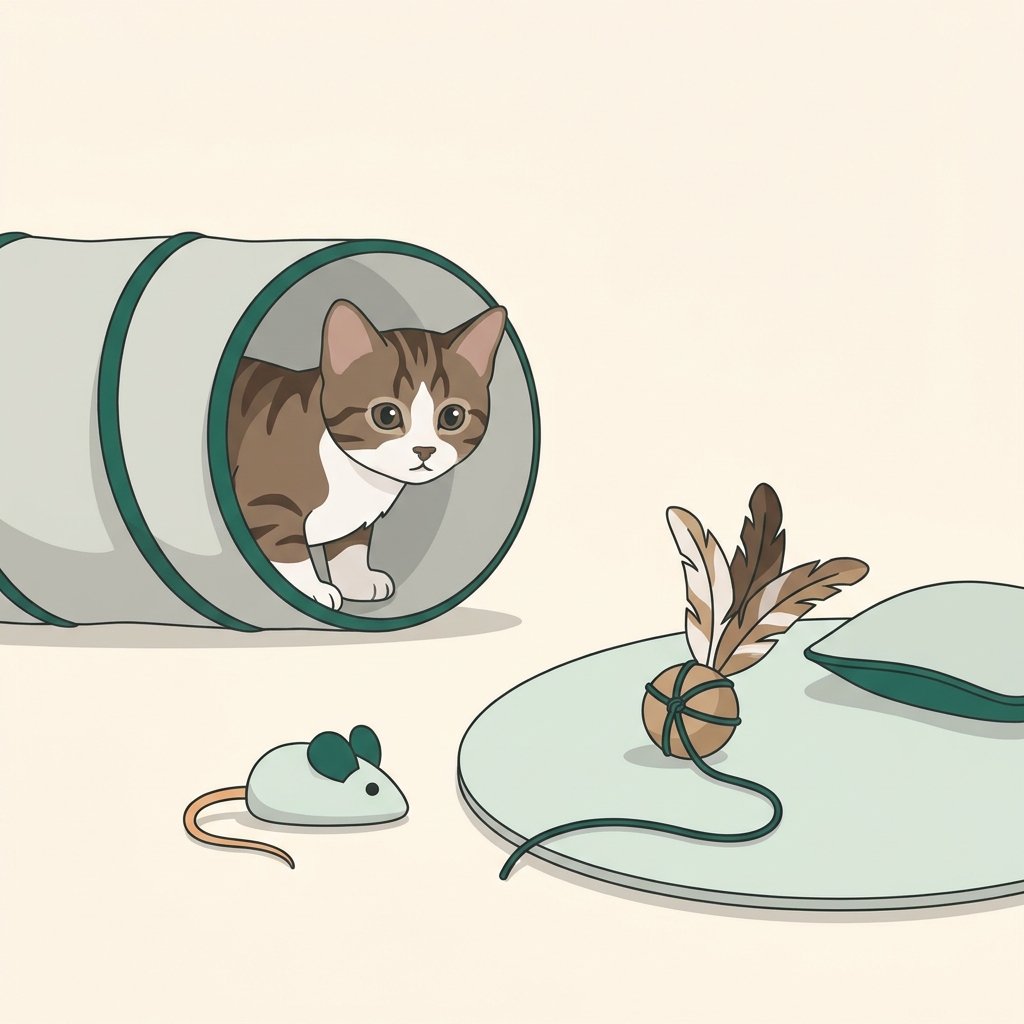
Fabric tunnels create a safe, exciting route for ambush play. They can boost exercise when you or another toy draw the kitten through. Some kittens won’t use a tunnel much on its own, so pair it with a teaser or ball for best results (Telegraph: best cat toys; PetSafe: right toy to entertain playful cats).
5) Simple puzzle or treat toys
Easy treat balls can slow fast eaters a bit and provide gentle batting and chasing practice. Keep these for supervised use and clean per instructions (Cats.com: best cat toys reviewed).
Do cats like tunnels? How to make tunnels a hit
Many kittens enjoy tunnels as part of an interactive game. A tunnel often shines when you place a teaser or toss a rattle ball through it. Reviewers note tunnels can be great for exercise but are not always a top independent toy, so guide your kitten at first (Telegraph: best cat toys).
Quick tunnel introduction
- Start with both ends open in a quiet spot. Lure with a teaser through the tunnel, or roll a lightweight ball inside so your kitten can chase it (PetSafe: right toy to entertain playful cats).
- Use a short treat trail through the tunnel the first day or two, then fade the food as confidence grows.
- Rotate the tunnel’s location after a few days to make it feel new again (Telegraph: best cat toys).
Safety basics when choosing kitten toys
- Size matters: pick toys large enough not to be swallowed and light enough to bat and carry. Discard damaged items promptly (Telegraph: best cat toys).
- Strings and feathers: fun under supervision, but don’t leave long strings or cords out unattended (Telegraph: best cat toys).
- Electronic or battery toys: use for supervised sessions; check for wear before play (Cats.com: best cat toys reviewed).
For a broader daily enrichment plan without buying lots of gear, see How to entertain an indoor cat: a simple daily plan.
A short play sequence to adapt to your kitten
Cats Protection recommends frequent short sessions, different suitable toys and regular inspection. There is no need to complete a timed circuit or keep a tired kitten playing (bringing a new kitten home).
- Offer a suitable toy at a distance from your hands and feet. Let your kitten approach.
- Move it briefly along the ground or behind a tunnel edge, allowing an easy catch.
- Pause and watch whether the kitten chooses to continue. Stop if it disengages or becomes overwhelmed.
- Put supervision-only toys away afterward. If using a food puzzle, take food from the normal appropriate daily portion rather than adding an unmeasured extra meal.
For a separate calm introduction, see how to introduce a puzzle feeder.
Set up a kitten play rotation (including a tunnel)
FAQ
Are tunnels safe for tiny kittens?
Yes, when you choose a soft fabric tunnel, avoid long dangling strings, and supervise early sessions. Many kittens need you to pair the tunnel with a wand or ball to understand the game (Telegraph: best cat toys).
How many toys should I leave out?
Keep a small mix out and store the rest. Swapping toys every few days keeps them feeling new and encourages varied play styles (Telegraph: best cat toys). If your kitten shows persistent disinterest or sudden behavior changes, seek veterinary advice.
Related guides
Optional equipment for this guide
A safe cardboard box or familiar hiding place may already meet the need. A tunnel is another option if your cat enjoys enclosed play spaces.
As an Amazon Associate I earn from qualifying purchases. These are researched options, not hands-on test results. Check the exact size or model, current price and availability on Amazon.
| Product option | Fit and limits to check | Retailer |
|---|---|---|
| Product imageCatit Vesper tunnel, Blue | An optional hide-and-play tunnel. Check the openings, attached toy and available floor space, supervise kittens, inspect wear, and leave a clear route out. | View on Amazon |