
The journal
Can you put new litter on top of old litter? Practical advice for cat owners
how often replace cat litter box, plus routines for daily scooping, topping up, and when to do a full dump-and-wash to control odor and avoid behavior issues.
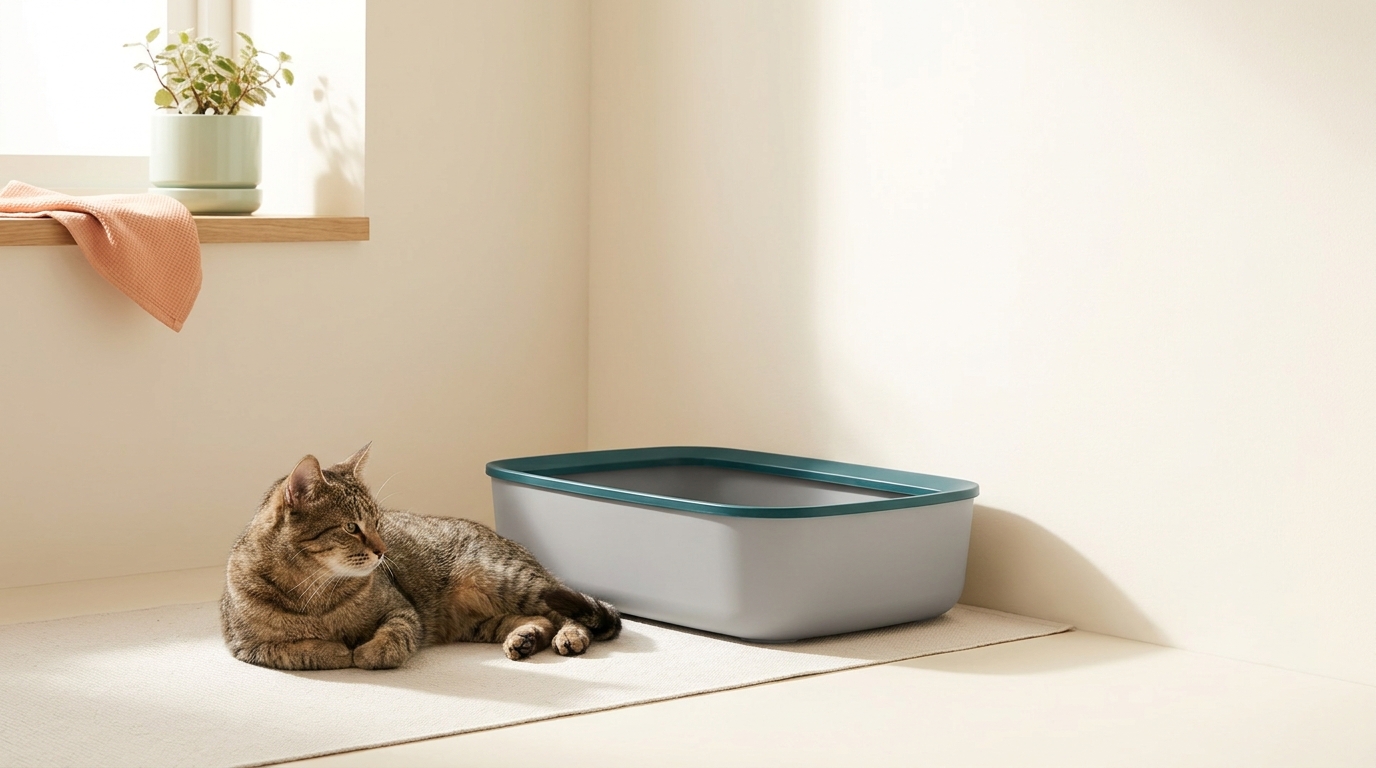
Quick answer and why this question matters
Short answer: topping up fresh litter after you have scooped thoroughly each day is an acceptable routine for many homes, but it is not a substitute for periodic full litter replacement and a proper wash of the tray.
Daily scooping is the core hygiene step that reduces the chance that parasites become infectious and that ammonia and odors build up, and it is central to when topping up is safe and useful CDC toxoplasmosis prevention and general cat health guidance CDC cats.
Owners worry about topping up because adding clean litter can temporarily hide smells and restore depth, while deeper issues such as dissolved urine at the tray base, stuck-on clumps or persistent ammonia remain. Those problems need a full dump-and-wash to remove, not just more litter on top.
Keeping the box clean is also a behavior matter: cats can avoid a dirty tray, and avoiding use can lead to house-soiling that is often stressful for both cat and owner AAFP consensus guidelines and related AAFP resources AAFP-AAHA guidelines.
Short summary of the practical answer
In practice, use daily scooping plus occasional topping up to keep litter depth and comfort, and plan full changes on a schedule informed by the number of cats, odor, and litter type; see our litter box setup guide. Treat topping up as maintenance, not a replacement for full cleaning.

Why owners worry about topping up versus full replacement
Owners often choose topping up because it saves time and reduces waste, but the trade-off is that it can let wet residue and dissolved urine remain in the tray where odors and bacteria concentrate; those conditions call for a full replacement and washing when they appear.
What topping up actually does and what it does not do
Adding fresh litter restores depth and helps the surface look and smell fresher, which is especially noticeable right after thorough scooping. For clumping litters, removing clumps first and then adding fresh material helps maintain a workable layer for the cat to dig into, which supports normal elimination behavior AAFP consensus guidelines.
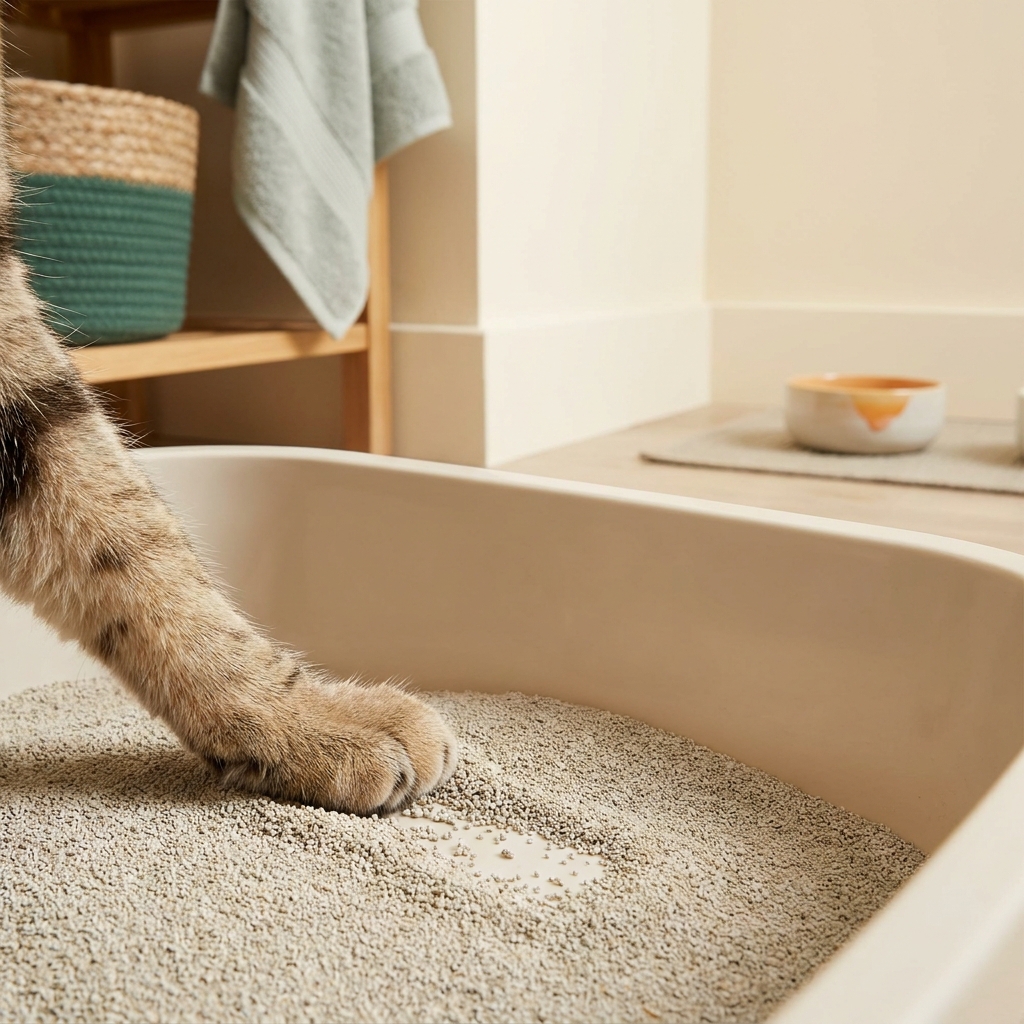
That said, topping up does not extract dissolved urine or remove an underlying wet layer that forms when urine soaks through to the tray base, nor does it remove bacteria or persistent odor that can accumulate in tray grooves or scratches. When those problems exist, fresh litter on top only masks symptoms temporarily.
Tools for daily scooping and simple litter maintenance
For non-clumping litters, topping up can help restore depth and absorbency at first, but these litters may need to be fully replaced more often because they do not trap urine into a removable clump and therefore allow moisture to collect at the bottom over time Humane Society litter box problems.
Practical limits of topping up include odor persistence, moisture buildup, increased stickiness where litter meets the tray, and higher likelihood of clumped or caked material sticking to the tray base; those are signs topping up is insufficient and a dump-and-wash is required.
How often should you fully replace and wash the litter box
Typical guidance advises scooping at least once per day and planning full changes on a schedule that depends on litter type, number of cats, and odor. A practical planning range used by many owners is a full wash approximately weekly to every two or four weeks, adjusted by those variables Humane Society litter box problems and general litter-box considerations AAHA guidance.
Single-cat households with clumping litter often find a weekly or biweekly full change works; multi-cat households usually need more frequent full changes because more waste accelerates odor and moisture buildup.
Can you put new litter on top of old litter?
Yes, adding fresh litter on top of well-scooped old litter is acceptable as a short-term maintenance step, but it does not replace scheduled full litter changes and tray washing when odor, sludge, or avoidance appear.
Clear, objective triggers that mean you need a full dump-and-wash now include persistent ammonia odor you can smell without digging, wet or slimy sludge at the bottom of the box, stuck-on clumps on the tray surface, or any sign a cat is avoiding the box or eliminating outside it. Those triggers mean topping up is no longer adequate.
how often replace cat litter box
When you sense those triggers, a full replacement and wash should be done immediately rather than delaying until the next scheduled change; prompt action helps restore a comfortable environment for the cat and reduces escalation of avoidance behaviors AAFP consensus guidelines.
How to clean the box safely when you do a full change
Step 1: Empty the box and dispose of old litter in a sealed bag. If clumps are present, remove them first so you do not spread residue during the rinse stage.
Step 2: Rinse the tray with warm water to remove loose debris. Avoid high-pressure sprays that can force material into scratches; a steady warm flow is safer and effective.
Quick washout checklist for a full litter box change
Step 3: Wash with a mild detergent and warm water, scrub lightly to remove stuck-on clumps or residue, then rinse thoroughly. Avoid strong ammonia cleaners or bleach fumes around cats because those odors can be harmful or aversive to animals.
Step 4: Dry the tray completely before adding fresh litter. Cats are sensitive to texture and smell, and a consistently refilled depth helps them accept the cleaned box quickly. Returning the tray to a familiar, clean state reduces the chance of avoidance after a fresh change.
Practical daily and weekly routines for different households
Single-cat household example routine: scoop feces and clumps once per day, top up once or twice weekly to maintain a consistent depth, and do a full dump-and-wash every one to two weeks or sooner if you detect persistent odor or wet residue. This routine balances convenience and hygiene for many owners; see our guides for related routines Humane Society litter box problems.
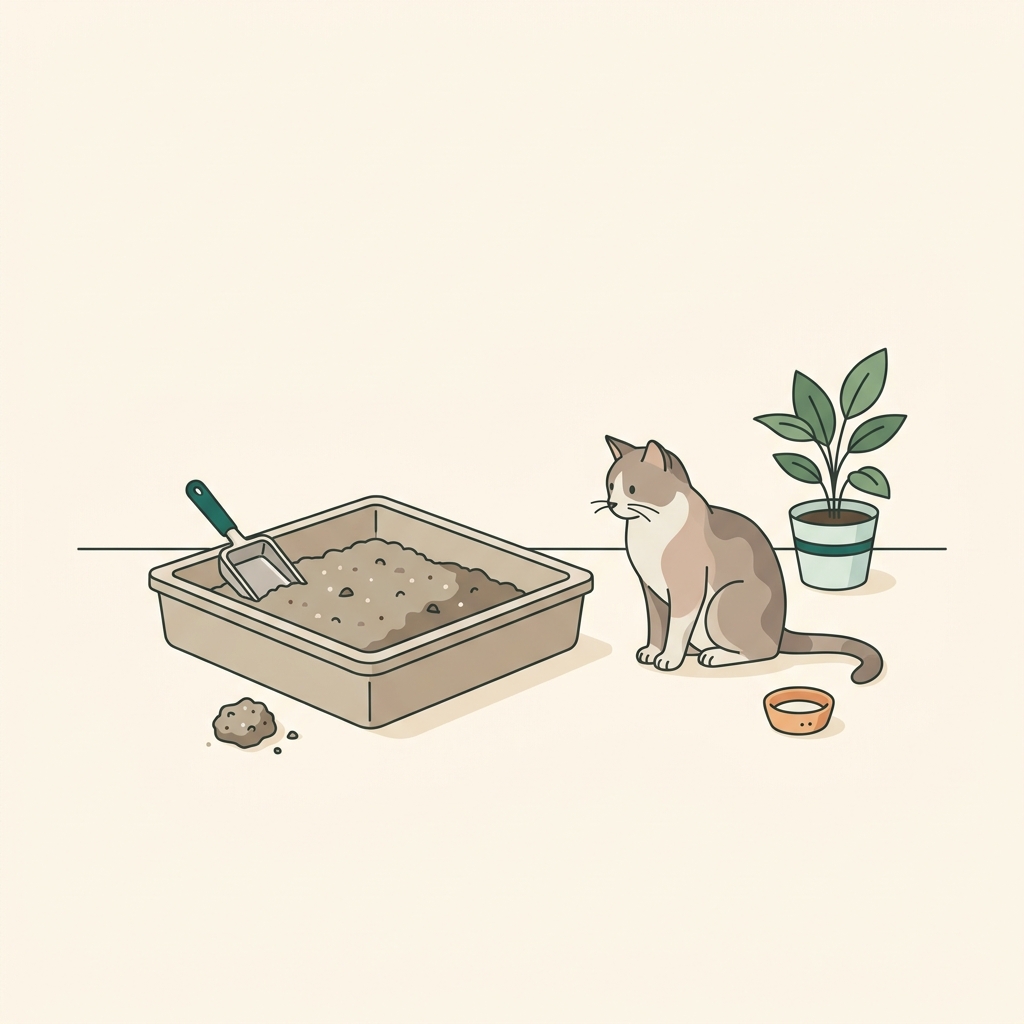
Simple steps for a single-cat routine are: 1) scoop daily, 2) check depth and top up if surface looks low, and 3) inspect the tray base each week for wetness or stuck-on material and wash if present.
Multi-cat household example routine: follow the n+1 rule by providing one box per cat plus one extra, scoop multiple times per day if you can, and plan full changes more frequently, often weekly or even every few days depending on how quickly odor or moisture accumulates with heavier use AAFP consensus guidelines.
For busy households, a practical multi-cat workflow is: scoop morning and evening, spot-top up after heavy use, and perform a scheduled full wash weekly; increase the frequency if odors appear or if any cat avoids a tray.
Common mistakes, troubleshooting and final recommendations
Common error 1: relying solely on topping up without monitoring the tray base. That can let dissolved urine and wet residue build unnoticed until the box smells strongly or cats begin to avoid it, which then requires deeper cleaning and potentially a behavior intervention Humane Society litter box problems.
Common error 2: inconsistent litter depth and box count. Not keeping a predictable depth or providing too few boxes for the number of cats encourages guarding, competition and avoidance. Follow the n+1 box rule and maintain an even refill depth to reduce these risks AAFP consensus guidelines.
Troubleshooting persistent odor: verify you are scooping every day, move to multiple daily scooping in multi-cat homes, inspect for wet sludge at the bottom, and perform a dump-and-wash when any of those problems appear. If odor returns quickly after a wash, consider whether the litter type, box material or tray location could be contributing factors.
When to ask a veterinarian or behaviorist: if out-of-box elimination begins or continues after you have cleaned and replaced litter and the box, or if one cat consistently avoids a tray despite frequent cleaning, seek veterinary evaluation for medical causes and consider a certified behaviorist for persistent avoidance AAFP consensus guidelines.
Final checklist for routine care: scoop at least once per day, top up to maintain consistent depth, inspect the tray base weekly for wet residue, perform a full dump-and-wash on a schedule that fits your household and sooner when you detect ammonia odor or damp sludge, and provide n+1 boxes for multi-cat homes. See our cat-friendly home guide for related setup tips.
Frequently asked questions
Can I just keep adding fresh litter instead of changing it completely?
You can top up after daily scooping to restore depth and reduce surface odor, but topping up does not remove dissolved urine or persistent residue; periodic full changes and washing are still necessary.
How often should I scoop the litter box?
Scoop at least once per day; multi-cat homes benefit from multiple daily scoops to control odor and keep cats comfortable.
What are signs I need to wash the box now?
Do a dump-and-wash if you smell persistent ammonia, find wet or slimy sludge at the bottom, see stuck-on clumps, or notice any cat avoiding the box.
Topping up litter can be part of a tidy, low-effort routine when paired with reliable daily scooping and periodic full cleaning. Watch for clear triggers like persistent ammonia or wet sludge and act quickly when they appear to keep your cat comfortable and reduce the risk of avoidance. If problems persist after you have followed these steps, contact your veterinarian to rule out medical causes and consider a behavioral consultation if avoidance continues.
References
- https://www.cdc.gov/parasites/toxoplasmosis/prevent.html
- https://www.cdc.gov/healthy-pets/about/cats.html
- https://journals.sagepub.com/doi/full/10.1177/1098612X20909079
- https://pmc.ncbi.nlm.nih.gov/articles/PMC10845473/
- https://catnibbles.com/guides/litter-box-setup/
- https://www.aaha.org/resources/2021-aaha-aafp-feline-life-stage-guidelines/general-litter-box-considerations/
- https://catnibbles.com/guides/
- https://catnibbles.com/guides/cat-friendly-home/