
The journal
How long do cat litter boxes last? A practical replacement guide
Practical guide on how often replace cat litter box, signs to swap it out, cleaning routines and type-specific lifespan advice.
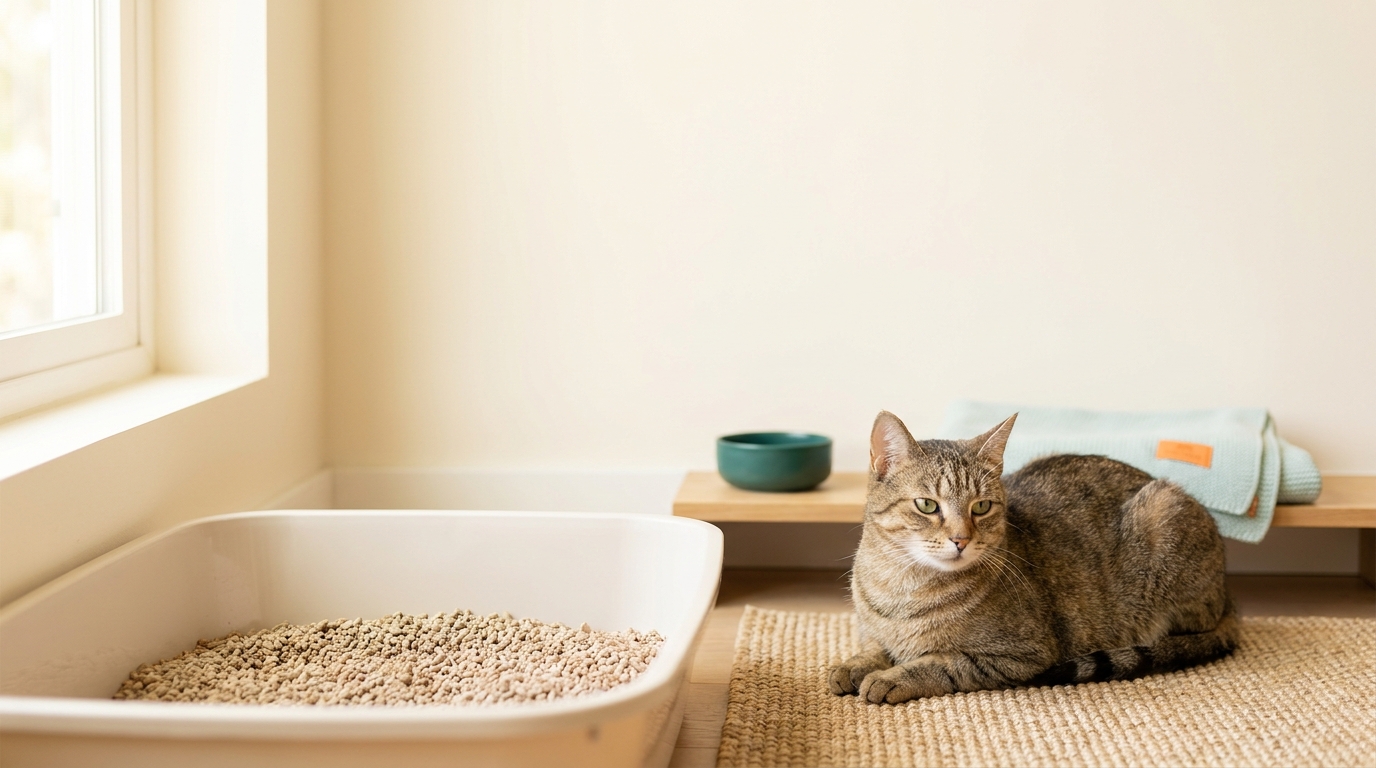
Short answer: how often replace cat litter box and the top reasons
Short answer, in one line: there is no fixed calendar interval for how often replace cat litter box, replace it when the box is damaged or keeps smelling after a proper clean.
The practical rule is condition over months. Look for cracks, deep scratches, warping, persistent odors after a thorough wash, or leaks in disposable trays. These problems trap waste and smells, which can repel your cat and make the box less hygienic, so replacement is the right step when they appear. International Cat Care guidance on litter trays
How often should I replace a cat litter box?
Replace a litter box when it is cracked, deeply scratched, warped, leaks or retains odor after a proper wash; there is no fixed calendar interval.
Daily routines support that decision. Scooping feces at least once a day lowers human exposure risk to infectious Toxoplasma gondii oocysts because those oocysts usually need at least a day to become infectious, so prompt removal reduces risk for people, including pregnant or immunocompromised household members. CDC prevention guidance. See CAPC guidance on Toxoplasma.
Also, a weekly full wash with warm water and an unscented mild detergent helps remove residues and keeps the surface from trapping odors; if odor remains after that wash, replacement should be considered. ASPCA advice on litter box cleaning

Why cleaning schedule affects health and cat behavior
Daily scooping and regular washing do more than reduce chores, they affect health and behavior. From a public-health point of view, removing feces every day lowers the chance that infectious agents on feces become a hazard, because some pathogens need time after being shed to become infectious. For Toxoplasma specifically, daily removal of feces is a recommended practical step to reduce human exposure. AVMA guidance on toxoplasma and cats. Cleveland Clinic coverage on toxoplasmosis
From the cat welfare side, lingering odors and residues on box surfaces change how attractive the box is. If a box holds smells or has sticky residue in scratches, cats may avoid it and look for other places to eliminate. Regular full washes, typically weekly, using warm water and a mild unscented detergent reduce these cues and help maintain consistent litter use. ASPCA litter box problems guidance
Cleaning choices matter. Avoid strong fragrances and harsh chemicals when you wash a box. Powerful perfumes can deter cats from using a box and do not improve hygiene outcomes, while milder, unscented cleaners remove soils without creating aversive smells. International Cat Care litter tray guidance. See our cat-friendly home guide for cleaning setup tips.
How you schedule cleaning matters more in multi-cat homes; see our litter-box setup guide. When you have more than one cat, provide adequate boxes and increase cleaning frequency to prevent competition and house-soiling. A common rule to start from is one box per cat plus one extra, and adjust cleaning cadence upward as needed.
Signs a litter box needs replacing: a practical checklist
Use this quick inspection checklist to answer the question when to replace litter box. Replace the box if you find any of these issues: visible cracks in the plastic, deep scratches that cannot be smoothed, noticeable warping of the shape, leaks or softening in disposable trays, or persistent odors and staining after a proper weekly wash. ASPCA checklist and advice
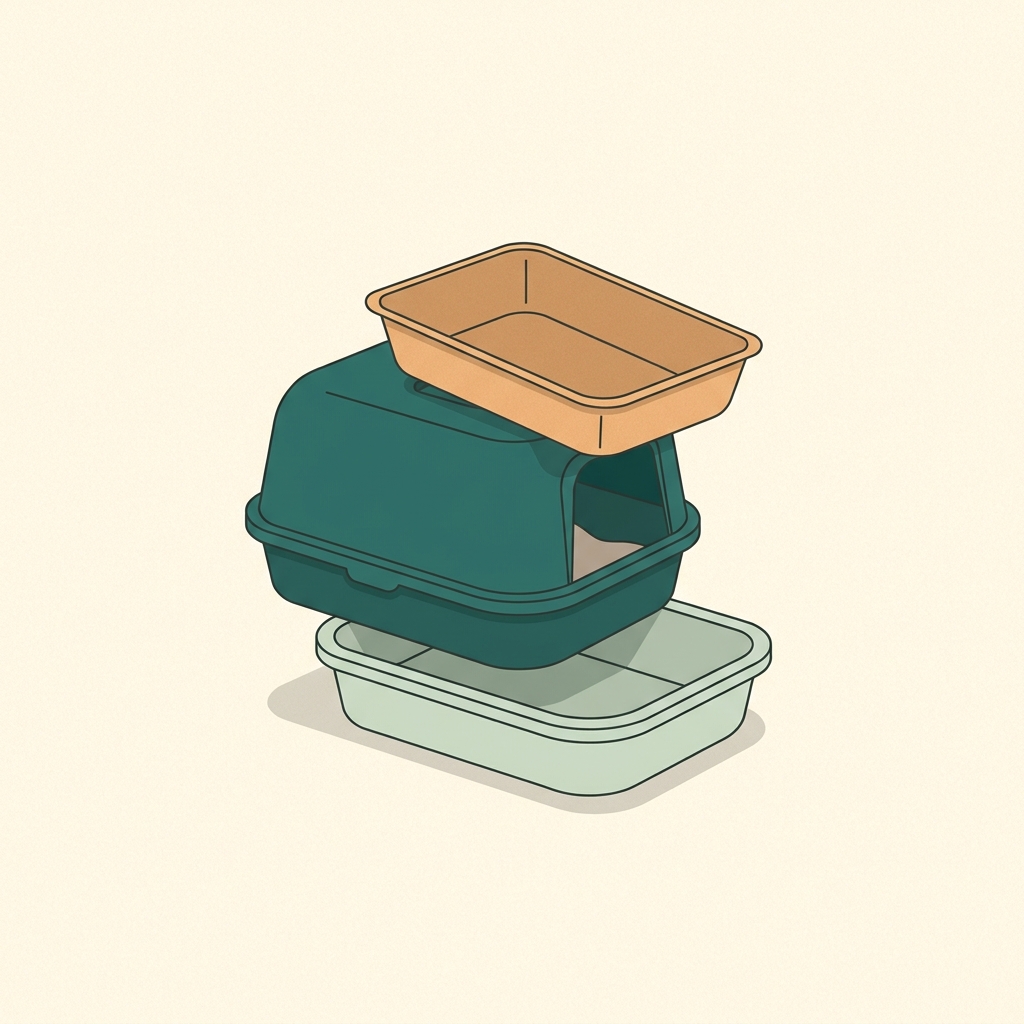
Replacement options, including standard plastic tubs, covered boxes, open shallow pans, and disposable traysWhy these signs matter: cracks and deep scratches create grooves that trap urine, feces and litter, and those grooves are hard to clean thoroughly. Stains and trapped matter can lead to persistent smells that discourage use and also retain microbes. If a box shows these physical defects after a proper wash, replacement is usually the safer choice.
Disposable or cardboard trays have a short service life. They are useful for travel, short-term recovery after surgery, or for a temporarily incontinent cat, but they must be replaced as soon as they soften, absorb moisture, leak or retain odor despite cleaning. These failures make the tray unsafe and unpleasant, so swap them out immediately when you spot these defects. International Cat Care on disposable trays
How different types of boxes age: plastic, self-cleaning and disposable options
Standard plastic pans are the most common. Their lifespan depends on scratch resistance, cleaning frequency, exposure to sunlight or heat, and how often cats dig. Repeated scratching wears the surface and creates grooves; repeated washing with abrasive tools or exposure to UV can weaken and warp plastic over time. When scratches become deep or the pan warps, replace it, because those defects trap waste and odors. ASPCA on litter box care
a short inspection tool to track damage and odor during weekly washes
Self-cleaning units are appealing because they can reduce the daily scoop work, but they are not maintenance-free. Independent 2024 testing reported issues including mechanical jams, odor problems if upkeep lapses, and higher ownership costs. These units still require regular manual cleaning of the parts and periodic full washing; if internal plastic parts crack or retain odor after cleaning, replacement of the unit or its components may be needed.
Disposable and cardboard trays are intentionally short-lived. Use them for specific short-term needs and replace them at first sign of softening, moisture absorption, leaks, or persistent smell. They are not a cost-saving long-term alternative to a durable pan, because repeated replacement and performance issues make them less practical for routine use. International Cat Care on trays
A step-by-step maintenance routine and replacement decision flow
Here is a practical routine to keep boxes safe and to help decide when to replace them. Daily, scoop feces and clumps at least once, and check for obvious damage. This daily habit reduces exposure to pathogens and keeps litter appealing to cats. CDC on practical prevention steps. See additional prevention notes from the FDA. See our guides for setup and maintenance tips.
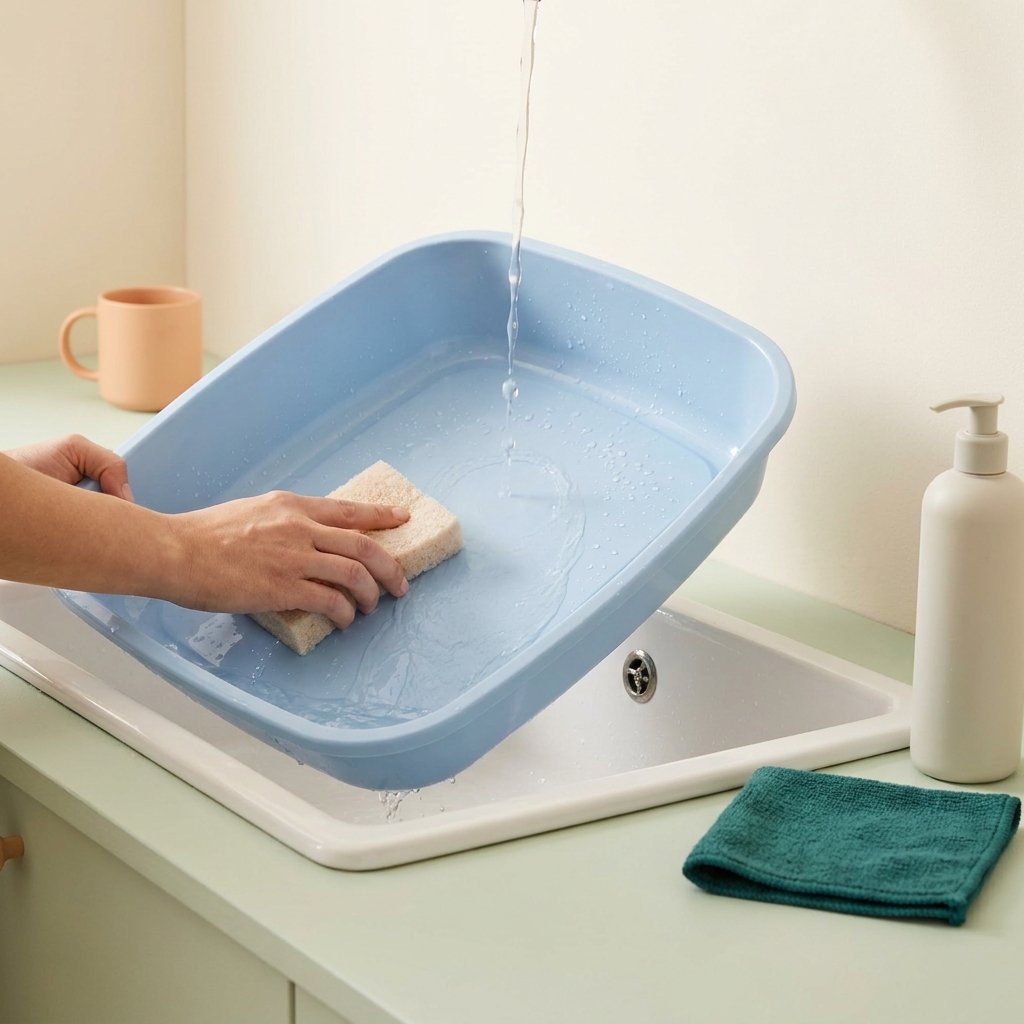
Weekly, perform a full wash. Empty litter, scrub the box with warm water and an unscented mild detergent, rinse thoroughly and let it dry before refilling. At that weekly wash, run an inspection checklist for cracks, deep scratches, warping, staining and odors. If any of these problems persist after cleaning, replace the box. ASPCA guidance on washing and inspection
Decision flow in a few steps: 1) Daily scoop and watch for visible damage. 2) Weekly wash and smell test. 3) If a box is cracked, deeply scratched, warped, leaks or still smells after a proper wash, replace it. 4) For disposable trays, replace immediately if they soften, absorb moisture or leak. 5) In multi-cat homes, add more boxes and increase inspection frequency. This flow keeps choices simple and repeatable.
Adjust the routine for multi-cat households. The common starter guideline is one box per cat plus one extra. If cats share boxes, litter saturates faster, odors rise sooner, and wear appears more quickly, so plan to inspect and wash more often and to have replacement pans on hand.
Common mistakes, troubleshooting and a final replacement checklist
Typical mistakes owners make include using calendar age alone as a replacement rule, relying on strong perfumes or harsh cleaners, and skipping daily scooping. Calendar-only rules can lead to replacing boxes too late or too early; the condition-based approach avoids that problem and focuses on safety and cat comfort. ASPCA on common mistakes
Harsh chemicals and strong-scented cleaners are a common troubleshooting pitfall. They can leave fragrances that deter cats and are unnecessary for hygiene. Stick to unscented mild detergent and warm water for full washes, and reserve stronger products only if a veterinarian or public-health advisor specifically recommends them for an unusual contamination concern. International Cat Care advice on cleaning
Avoid premature replacement for minor cosmetic scuffs. Superficial scratches that do not trap residue and do not cause odor do not always require replacement. If the surface cleans well and smells fresh after the weekly wash, you can continue to use the box and monitor it. Replace immediately for structural damage such as cracks, deep gouges, leaks or persistent odors that survive cleaning.
Final quick printable checklist to use at weekly wash: check for cracks, inspect for deep scratches, test for warping, perform a smell test after washing, and for disposable trays check for softening or leaks. Replace the box when any of these checks fail. Keep an extra pan available so you can swap immediately if you discover a problem. ASPCA replacement checklist
Closing tip: document the date you bought or started using each box and note inspection results on a simple calendar or phone note. That makes it easier to spot accelerated wear patterns and to plan budgeted replacements rather than emergency swaps.
Frequently asked questions
How often should I clean my cat's litter box?
Scoop daily and do a full wash typically once a week using warm water and an unscented mild detergent.
Can I keep a litter box with light scratches?
Yes, minor surface scuffs are okay if the box cleans well and does not retain odor; replace for deep scratches or cracks.
Are self-cleaning litter boxes maintenance free?
No, they reduce scooping but still need regular manual cleaning and part maintenance, and can have jams or odor issues if neglected.
A condition-first approach keeps cats comfortable and lowers health risks while avoiding needless expense. Use the routines and checklists here to inspect boxes regularly and replace them when damage or persistent odor shows up. Keeping an extra pan on hand and noting inspection results will simplify swaps and help you maintain a clean, reliable litter area for your cat.