The journal
How to tell if your cat needs a bigger litter box
Clear signs your cat needs more space, how to measure correctly, and practical box choices that improve comfort and use.
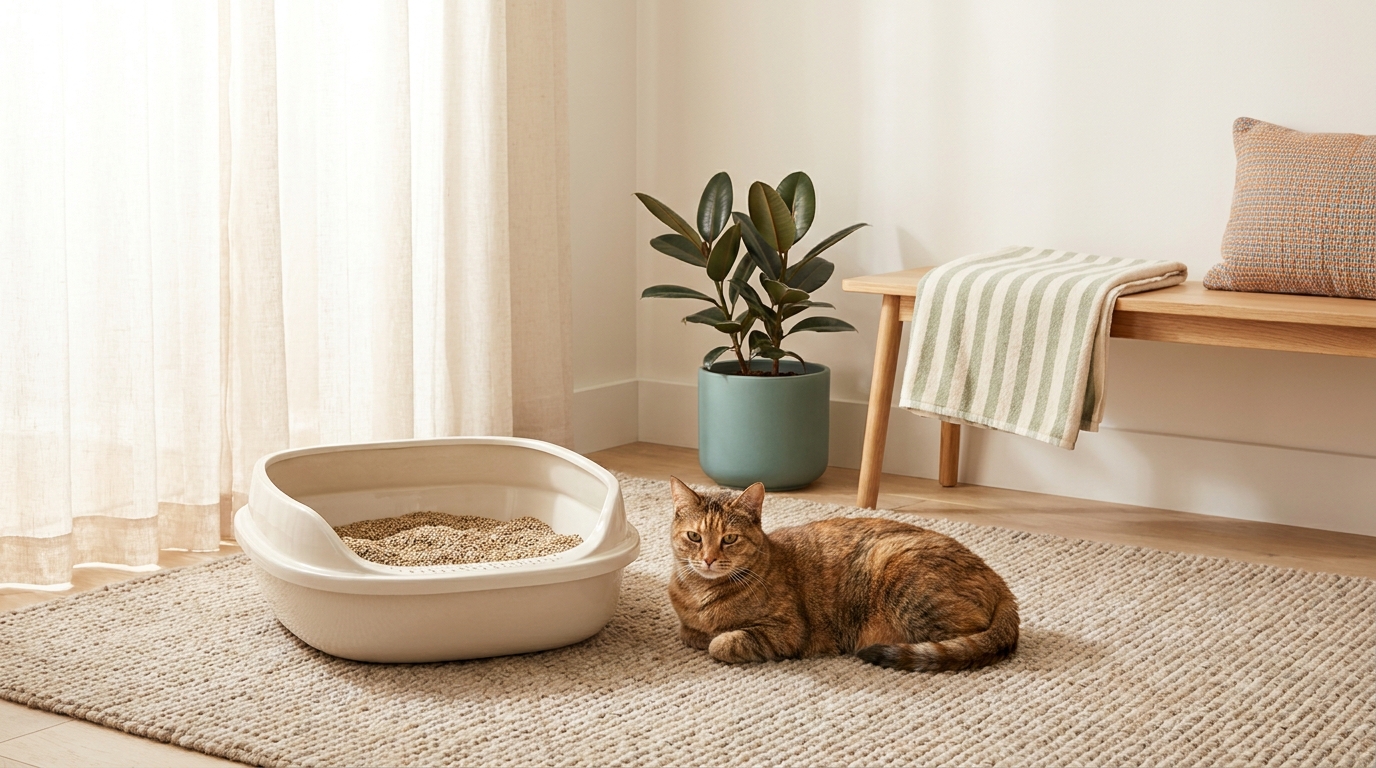
Quick answer: If your cat avoids the box, steps in then backs out, scratches around it without using it, or urinates/defecates on the edge or just outside, it may be too small. Measure your cat from nose to base of tail and choose a box at least 1.5 times that length so they can turn and dig comfortably https://www.petprofessionalguild.com/barks/barks-magazine-blog/how-big-should-a-cats-litter-box-be/ https://www.nytimes.com/wirecutter/reviews/best-cat-litter-boxes/. If avoidance continues or you notice unusual urine or stool, consult your veterinarian https://www.elspet.com/blogs/all/signs-cat-needs-different-litter-box-setup?srsltid=AYCX9vKtjAy9tdeJkpjMglVrK-dVhG7ZKYo0pU-HK9fzUh5ghjvRHnqt.
Spot the signs your cat needs more space
- Avoidance or hesitation: hovering near the box, stepping in and darting out, or scratching around it without using it can signal discomfort with the setup, including size https://www.elspet.com/blogs/all/signs-cat-needs-different-litter-box-setup?srsltid=AYCX9vKtjAy9tdeJkpjMglVrK-dVhG7ZKYo0pU-HK9fzUh5ghjvRHnqt.
- Edge or near-box accidents: larger or long-bodied cats may urinate or defecate on the rim or just outside when the usable space is too tight https://www.petprofessionalguild.com/barks/barks-magazine-blog/how-big-should-a-cats-litter-box-be/.
- Awkward posture: if your cat can’t turn, stretch, or dig without hitting the sides, the footprint is likely undersized https://www.nytimes.com/wirecutter/reviews/best-cat-litter-boxes/.
Measure and size up correctly
How to measure your cat and the box
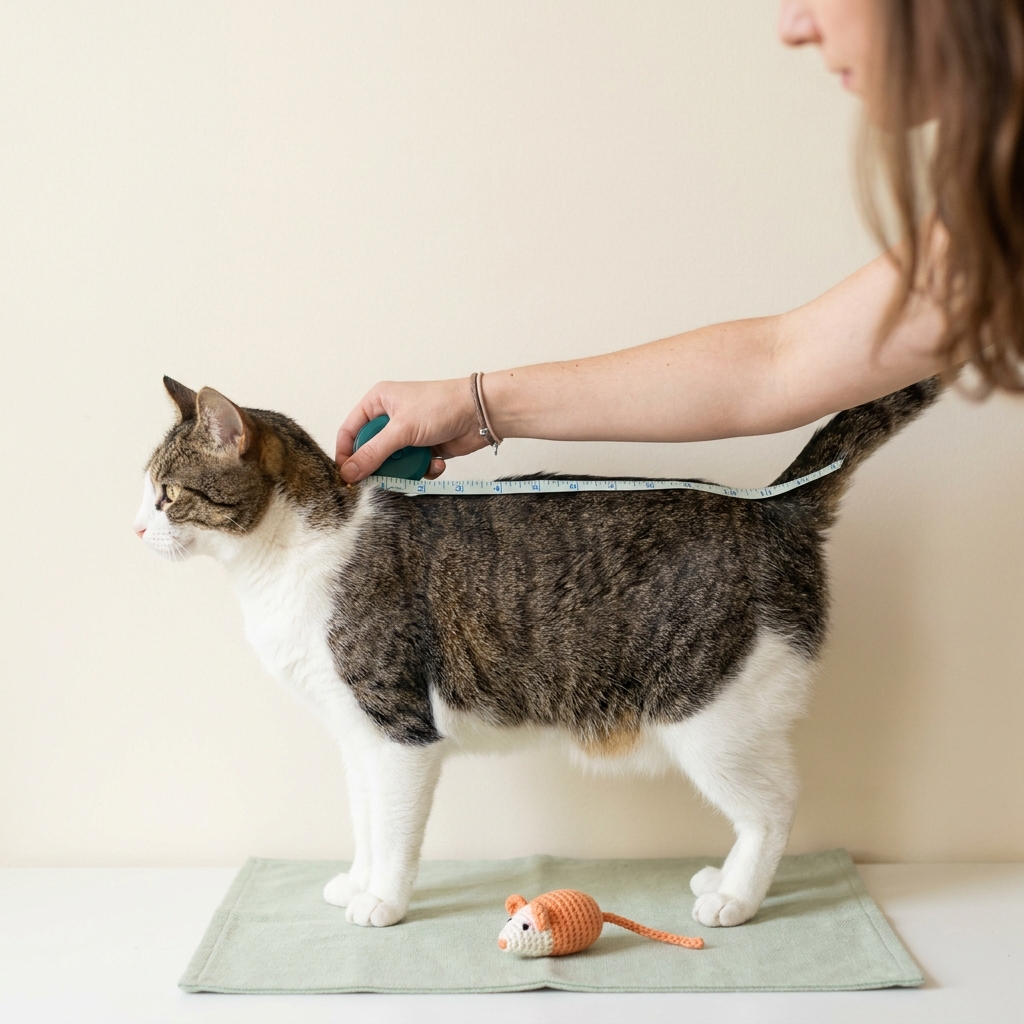
With your cat relaxed, measure from the tip of the nose to the base of the tail. If using a wiggly cat, lay a string along the same path, then measure the string. Compare that number to the litter box’s inside dimensions, not just the product’s label size.
Apply the 1.5× rule
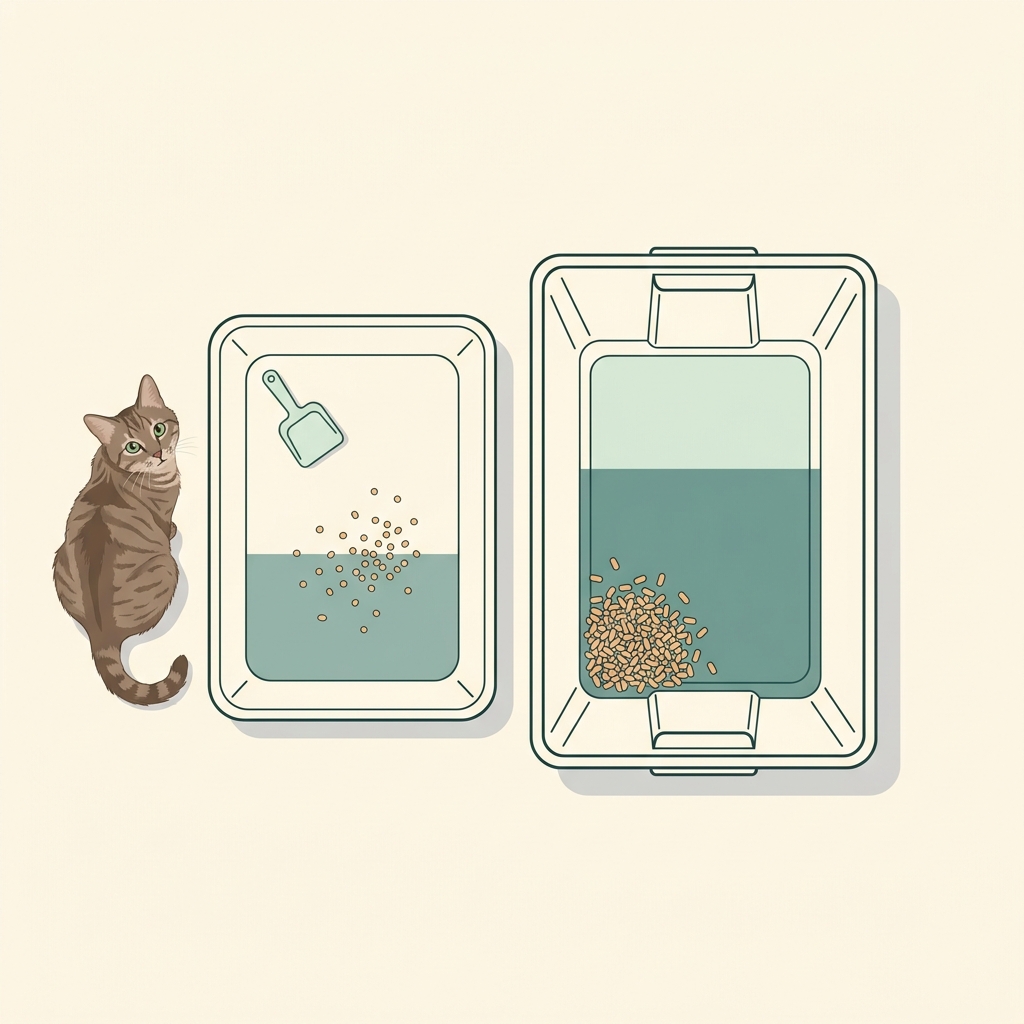
Choose a box with an internal length at least 1.5 times your cat’s nose-to-base-of-tail length. This helps most cats turn and dig comfortably. Many experts recommend going as large as you can reasonably fit in your space https://www.petprofessionalguild.com/barks/barks-magazine-blog/how-big-should-a-cats-litter-box-be/ https://www.nytimes.com/wirecutter/reviews/best-cat-litter-boxes/.
Box features that improve comfort
Open vs covered, wall height, and entry
- Open or covered: Size, cleanliness, and placement usually matter more than whether the box is covered. If you choose a covered model, keep it well ventilated and clean so odors don’t build up inside https://www.nytimes.com/wirecutter/reviews/best-cat-litter-boxes/.
- High sides with a low entry: High walls help contain scatter and overspray; a low front eases access for small or mobility-limited cats https://www.nytimes.com/wirecutter/reviews/best-cat-litter-boxes/.
- Think bigger than retail “large”: For big or long-bodied cats, repurposed under-bed storage totes or roomy mixing tubs can offer far more usable space at low cost https://www.petprofessionalguild.com/barks/barks-magazine-blog/how-big-should-a-cats-litter-box-be/ https://www.nytimes.com/wirecutter/reviews/best-cat-litter-boxes/.
Common mistakes that mimic a sizing problem
- Dirty or smelly box: Cats are sensitive to odor. Scoop daily and replace all litter regularly; wash the box with mild soap when you do full changes https://www.elspet.com/blogs/all/signs-cat-needs-different-litter-box-setup?srsltid=AYCX9vKtjAy9tdeJkpjMglVrK-dVhG7ZKYo0pU-HK9fzUh5ghjvRHnqt.
- Strong scents: Most cats prefer unscented litter; heavy fragrances can deter use https://www.elspet.com/blogs/all/signs-cat-needs-different-litter-box-setup?srsltid=AYCX9vKtjAy9tdeJkpjMglVrK-dVhG7ZKYo0pU-HK9fzUh5ghjvRHnqt.
- Poor location: Place boxes in quiet, low-traffic, easily accessible areas. In multi-cat homes, provide enough boxes and space to reduce conflict https://www.elspet.com/blogs/all/signs-cat-needs-different-litter-box-setup?srsltid=AYCX9vKtjAy9tdeJkpjMglVrK-dVhG7ZKYo0pU-HK9fzUh5ghjvRHnqt.
- Changing too many variables at once: Adjust one thing at a time (size, litter type, or location) so you can see what actually helps. If you do try a new litter, give your cat time to adjust: see our guide on how long cats need to adjust to new litter.
When to call the vet
If avoidance continues despite a larger, clean, accessible box, or if you notice unusual changes in your cat’s urine or stool, consult your veterinarian to rule out health issues https://www.elspet.com/blogs/all/signs-cat-needs-different-litter-box-setup?srsltid=AYCX9vKtjAy9tdeJkpjMglVrK-dVhG7ZKYo0pU-HK9fzUh5ghjvRHnqt.
Quick sizing-and-fit checklist for today
Short FAQs
How big should a litter box be for an adult cat?
A practical rule is at least 1.5 times your cat’s nose-to-base-of-tail length, with enough width to turn comfortably https://www.petprofessionalguild.com/barks/barks-magazine-blog/how-big-should-a-cats-litter-box-be/ https://www.nytimes.com/wirecutter/reviews/best-cat-litter-boxes/.
Do covered boxes fix misses?
Covered boxes can contain overspray, but size, cleanliness, and placement usually matter more. If you use a covered model, keep it ventilated and scoop daily https://www.nytimes.com/wirecutter/reviews/best-cat-litter-boxes/. For limited space, a roomy corner-shaped box can help while preserving turning room https://www.nytimes.com/wirecutter/reviews/best-cat-litter-boxes/.
Curious about box lifespan and when to replace? See our guide: How long do cat litter boxes last?