
The journal
Do cats prefer hard or soft carriers? Practical guide for calm travel
how to get cat used to carrier with calm, evidence-based steps and advice on choosing hard or soft carriers for vet visits, car rides and flights.
Why carrier choice matters for your cat
How carriers affect stress and welfare
When you think about how to get cat used to carrier, the most important point is that the carrier itself and how you introduce it shape your cat's stress level during transport. A quiet, stable carrier that smells familiar can reduce anxiety, while a rushed or unfamiliar experience can make future trips harder. Evidence-based guidance emphasizes gradual, positive introductions to lower transport stress and improve welfare for routine trips and veterinary visits, starting well before the travel day AAFP and ISFM guidelines.
Carriers also have practical consequences for hygiene and safety. A design that is easy to clean helps limit odor and bacterial buildup, and one that stays upright and secure in a vehicle reduces the chance of jostling during sudden stops. Choosing a carrier that fits the kinds of trips you take, and then conditioning your cat to accept it, sets both you and your cat up for calmer outings.
Do cats prefer hard or soft carriers?
Cats do not universally prefer hard or soft carriers; the right choice depends on trip type, the cat's temperament and how much acclimation you can provide. Hard-shell carriers often offer better cleaning and potential impact protection, while soft-sided carriers are lighter and fit tighter spaces. Either can be made acceptable to most cats through gradual, positive acclimation.
Situations that change the right choice: vet, car, plane, shelter
Different journeys create different priorities. For brief walks into a nearby clinic, minimizing handling stress and offering quick, calm loading matters most. For car travel, stability and secure placement are priority considerations. For air travel, compliance with airline size rules and TSA screening procedures matters more than low weight alone. Planning around the situation helps you pick features, and planning ahead gives you time to practice so the carrier becomes a safe, familiar space.
Finally, remember that the "best" carrier depends on your cat's temperament and training history. A cat that is already calm in carriers may accept a range of designs, while a very nervous cat may need a carrier and a pacing plan that prioritize low-stress loading and predictable handling.

Hard versus soft carriers: pros, cons and when each is preferable
Hard-shell: protection, cleaning and structural integrity
Hard-shell carriers generally provide better impact protection and are easier to disinfect, making them a common recommendation when crash-resistance or hygiene are priorities. If cleaning and the ability to scrub all surfaces are important to you, a rigid carrier with smooth interior panels simplifies thorough cleaning and drying.
Hard designs often have solid walls and integrated fastening points that make them more likely to perform consistently in a crash than some untested consumer options, though buyers are advised to check for independent test disclosures and certified lists before assuming a model has strong crash protection Center for Pet Safety carrier crash test protocol.
Soft-sided: weight, fit for in-cabin travel and handling
Soft-sided carriers are prized for being lighter and more flexible, which helps them fit under airline seats and into tight car footwells. For in-cabin flights, many airlines accept soft carriers that meet their under-seat dimensions, and the flexible sides can make getting the carrier stowed easier than a rigid box.
The trade-off is that soft materials can be harder to sanitize thoroughly after an accident or illness and may offer less structural protection in an impact. For owners who prioritize easy stowage and lighter handling, a soft carrier with strong closures, firm base and removable, washable liners gives many of the practical benefits without entirely sacrificing hygiene.
Design features that change the balance
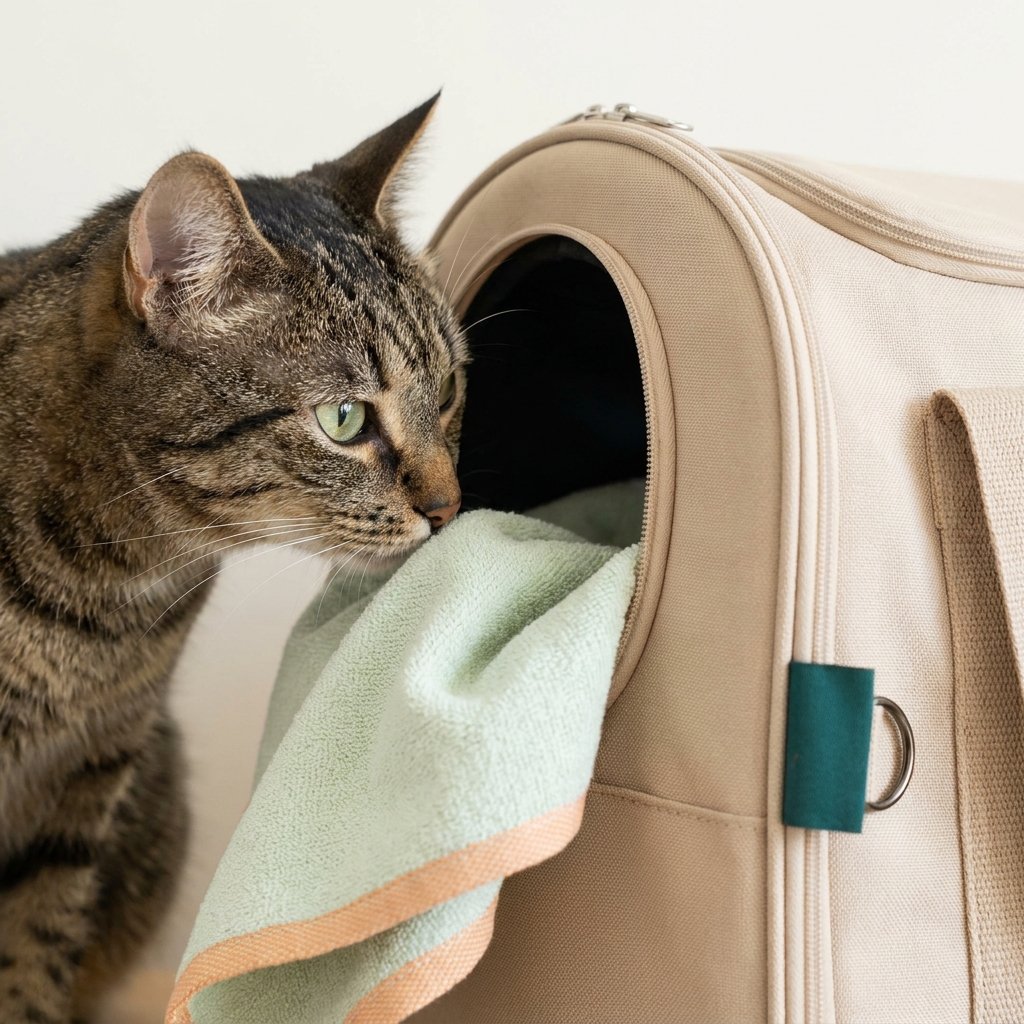
In practice, a soft-sided carrier with a firm, removable base and a top-opening panel can function well for many short trips, while a hard-shell carrier with quick-top removal offers advantages for cleaning and potentially better structural integrity for demanding travel situations.
Getting your cat comfortable with a carrier: a step-by-step acclimation plan
Stage 1- Make the carrier part of the home
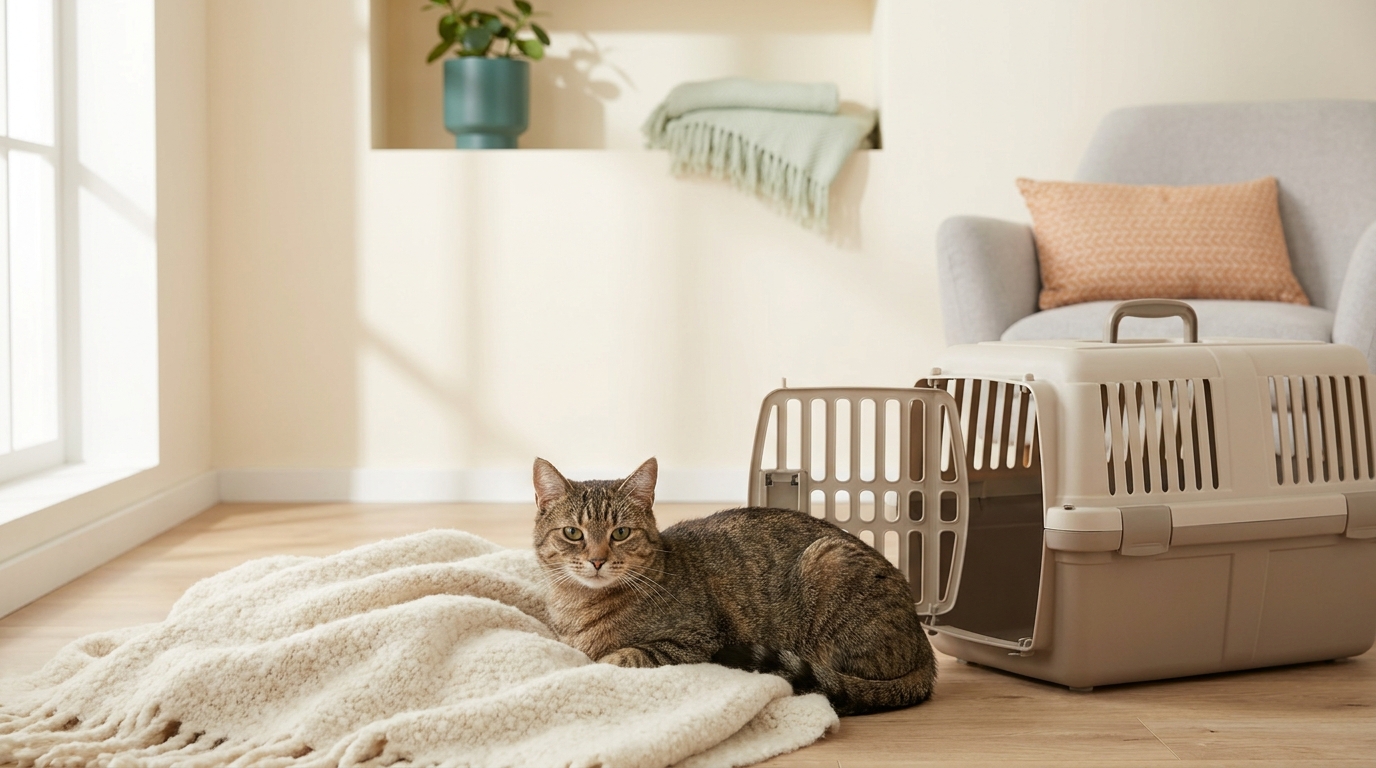
Begin by leaving the carrier out in a quiet room, open and accessible, ideally several days or weeks before you need it. Make the carrier a piece of furniture rather than a temporary travel box: add a soft blanket or towel that carries familiar household scents, place it near a window or a favored perch, and avoid using the carrier only on stressful days. Gradual exposure like this supports voluntary approach and reduces the association of the carrier with only stressful events AAFP and ISFM guidelines.
Place treats and favorite toys near and inside the carrier so your cat begins to explore on their own. Keep sessions short and pleasant. The goal is to build positive, predictable interactions with the carrier so that when you progress to closing the door or moving the carrier, your cat's baseline stress level is lower.
Stage 2- Encourage approach and voluntary entry with rewards
Once your cat willingly explores the carrier, reward voluntary entry with high-value treats or gentle play inside the carrier. Feed a few meals or special treats inside the carrier so the cat links it with positive experiences. Over repeated short sessions, allow the cat to enter, eat or rest, then calmly let them leave on their own terms; do not force the cat to stay inside during these early steps.
When your cat is reliably entering to eat or rest, close the door gently for a few seconds, then open it and reward. Gradually increase the time the door is closed, always pairing the experience with a calm voice and treats. Using a removable top or a carrier with a top-opening entry helps here, because it lets you place your cat inside from above, which can be less threatening than forcing forward entry through a small front door International Cat Care carrier advice.
how to get cat used to carrier
With voluntary entry established, start short practice sessions that simulate real travel steps. Carry the closed carrier a few paces, place it on a familiar surface, then open it and reward the cat. Keep these sessions brief and frequent rather than long and infrequent. The step-by-step process helps a cat associate the carrier with predictable handling and rewards, which reduces fear-driven reactions at the vet or during longer trips AAFP and ISFM guidelines.
Stage 3- Practice closing the door, short sits and short car rides
When your cat accepts short handling and being carried, progress to brief, stationary sits with the carrier closed. Gradually work up to short car rides, starting with a few minutes in a quiet neighborhood and returning before the cat shows distress. Use absorbent liners and a stable carrier base for comfort, and always secure the carrier in a stable position in the vehicle to reduce motion stress.
Top-opening carriers allow technicians or owners to remove a cat without forcing it through a narrow front opening, which can be less frightening. Keep sessions predictable and end on a positive note: a calm return home and a favorite treat helps the cat remember each practice as manageable rather than threatening Cat Friendly Homes carrier guidance.
Car safety and crash-safety considerations for carriers
How to secure a carrier in the car
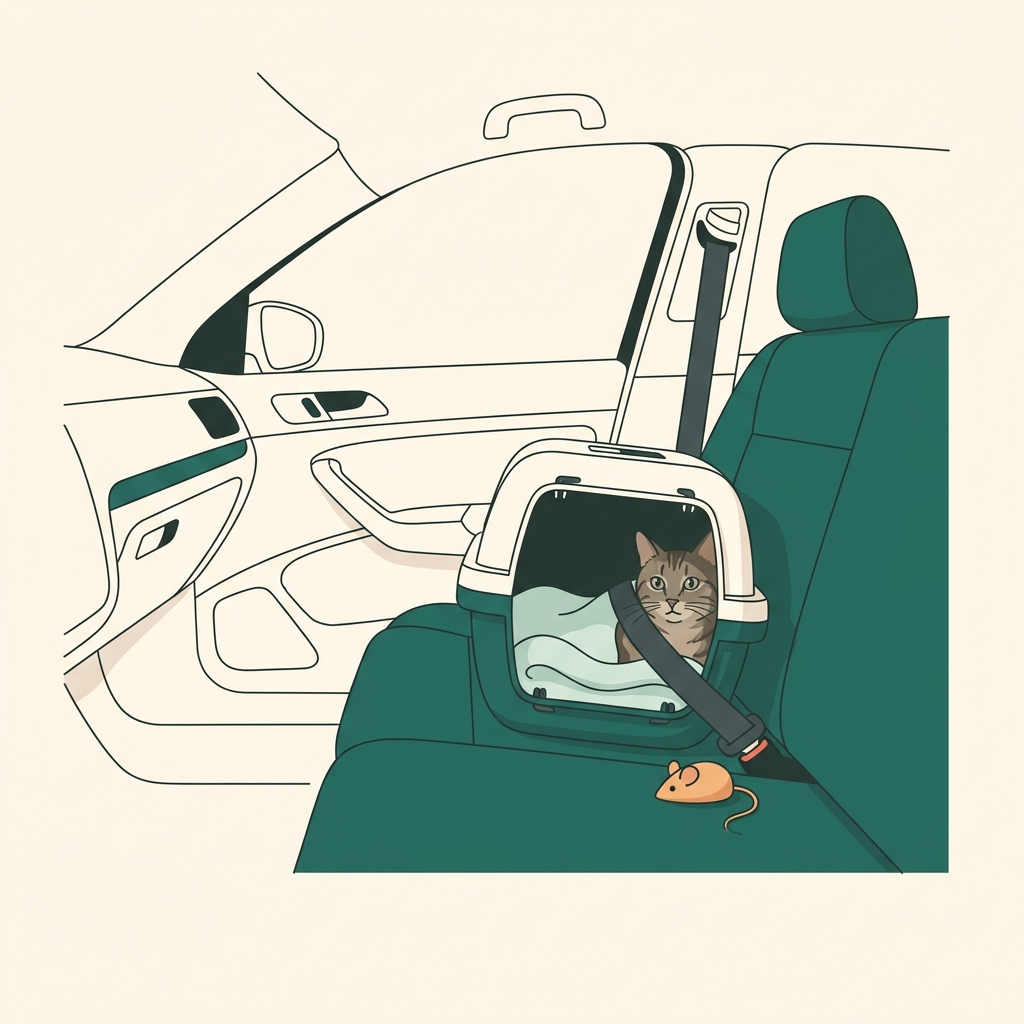
For vehicle travel, prioritize placing and securing the carrier on a rear seat or the footwell, away from airbags and front-seat impacts. Securing the carrier reduces sliding and sudden movement during braking. If your vehicle and carrier design permit, use a seatbelt through built-in loops or place the carrier on a non-slip mat to improve stability while driving AVMA traveling with pets guidance.
Positioning the carrier on a flat, stable surface and using existing seatbelt fixtures, non-slip padding and a low center of gravity helps keep the carrier from tipping. Aim to keep the carrier at or below seat level and avoid front-seat placement where airbag deployment could increase risk.
Quick carrier checks for crash-test certification and on-road stability
What crash tests say and how to read results
Crash-test evaluations show many consumer pet carriers lack robust crash protection, so it is prudent to favor well-structured designs and check certified lists when crash safety is a priority. Independent protocols exist for testing pet carriers, and published protocols and test results help you understand what a successful test covers and what it does not Center for Pet Safety carrier crash test protocol.
Because rigorous crash-safety data remain limited for many products, practical steps such as choosing a rigid carrier with secure closures, using seatbelt attachment points when available, and preferring models with documented testing or manufacturer disclosures will generally increase the chance that your cat travels more securely. Treat crash-test lists as a complement to careful selection rather than a sole determinant.
Practical travel scenarios: vet visits, short drives and flying with a cat
Vet visits: low-stress loading and clinic handling
Clinic visits are among the most frequent situations where carrier training pays dividends. Use a removable-top carrier or one with a wide top opening so staff can access your cat without forcing forward extraction through a single narrow door. Low-stress handling includes calm handing of the carrier, avoiding loud noises and minimizing the time the cat spends in busy waiting areas.
Rehearse the full sequence at home: approach the carrier, load calmly, close the top, carry a short distance and set it down. Repeat until these steps are familiar. The repeated, calm practice reduces reactive behavior and makes check-ins and exams less stressful for both cat and clinic staff AAFP and ISFM guidelines.
Short drives: pacing rehearsals and motion considerations
A rigid carrier often reduces vibration and movement inside the carrier compared with an unstructured soft bag. If your cat tends to be especially sensitive to motion, shorter initial sessions and more repetitions help build tolerance without overwhelming the cat.
Air travel: TSA screening and airline in-cabin requirements
For air travel, be aware that TSA requires that pets be removed from carriers during security screening while the empty carrier is X-rayed, so practice calm removal and handling ahead of travel day. Also, in-cabin carriers typically must fit under the airline seat according to each carrier's rules, so check dimensions and ventilation requirements with your airline well before you fly.
Because airlines vary in their exact size limits and handling rules, confirm policies before purchase when frequent flying is expected. For most infrequent flyers, a durable soft-sided carrier that meets airline dimensions or a compact hard-shell carrier with good ventilation and a removable top will cover common needs.
Choosing the right carrier: checklist, common mistakes and final recommendations
Quick checklist for buying or evaluating a carrier
Use a concise checklist when evaluating carriers: ensure the interior is large enough for standing and turning, confirm multiple ventilation panels, test the security of closures, prefer a stable floor with an absorbent liner, and favor a removable top or top opening for low-stress handling. Also review any available manufacturer test disclosures or certified lists if crash safety is a concern International Cat Care carrier advice.
Balance features against the trips you take. If you fly often, prioritize an in-cabin friendly soft design that fits airline requirements. If you mainly drive and worry about impact protection or easy cleaning, a hard-shell carrier with smooth panels and secure hardware may be preferable.
Common owner mistakes and how to avoid them
Common mistakes include hiding the carrier until travel day, skipping acclimation practice, and choosing solely on weight or price without considering size and closure strength. Avoid these by leaving the carrier accessible at home, practicing the stepwise acclimation plan described above, and checking build quality and cleaning options before you buy.
Another frequent error is assuming all carriers have similar safety properties. Because crash-safety information varies by model, look for models with transparent manufacturer disclosures or independent testing if safety in a vehicle is a principal concern Center for Pet Safety carrier crash test protocol.
Final decision flow: match cat, trip and training
Match the carrier to three things: your cat's temperament, the trips you make most often, and the time you can spend on acclimation. For nervous cats, give extra weight to top-opening access and gradual training. For car-focused owners, prioritize a secure, stable carrier and practice short rides. For air travel, confirm airline dimensions and pick a carrier that meets those rules while offering a firm base and good ventilation.
Start small: pick a carrier that meets basic size and ventilation needs, leave it accessible, and begin the acclimation steps today. With a calm, patient approach and attention to safety features, most cats learn to use a carrier without the need for force or sedation.
Frequently asked questions
How long does it take to get a cat comfortable with a carrier?
Most cats show progress in days to weeks with daily short sessions; more anxious cats may need longer. Progress depends on consistent, gentle practice and rewards.
Is a hard or soft carrier safer for car travel?
Rigid carriers often offer better structural protection and easier cleaning, but securing any carrier properly and checking test disclosures is more important than material alone.
Can I fly with a cat in a soft carrier?
Many airlines allow soft carriers if they fit under the seat and meet ventilation rules; confirm airline dimensions and TSA screening steps before travel.
Choosing a carrier and teaching your cat to accept it are manageable with small, consistent steps. Start by leaving a carrier out at home, reward voluntary entry, and progress gradually to short trips. With attention to size, ventilation, secure closures and calm practice, most owners can make transport safer and less stressful for their cats.
References
- https://catnibbles.com/guides/cat-carriers-and-travel/
- https://journals.sagepub.com/doi/10.1177/1098612X221081882
- https://centerforpetsafety.org/cps-certified/
- https://www.centerforpetsafety.org/test-protocols/carrier-crash-test-protocol/
- https://catfriendly.com/cat-care/cat-carriers/
- https://icatcare.org/advice/choosing-a-cat-carrier/
- https://www.avma.org/resources/pet-owners/petcare/traveling-your-pet
- https://centerforpetsafety.org/test-results/
- https://www.thesprucepets.com/best-cat-carrier-for-car-8600057
- https://catnibbles.com/journal/cat-carriers-and-travel/carrier-fit-note/
- https://catnibbles.com/guides/
Product options for this topic
As an Amazon Associate I earn from qualifying purchases. These are researched options, not hands-on test results. Check the exact size or model, current price and availability on Amazon.
| Product option | Fit and limits to check | Retailer |
|---|---|---|
| Product imageSleepypod Air, Jet Black | A carrier candidate for travel planning. Compare the actual dimensions with your cat and the specific airline; a product label does not guarantee acceptance. | View on Amazon |